How a “Before” Photo Can Be Built to Lose
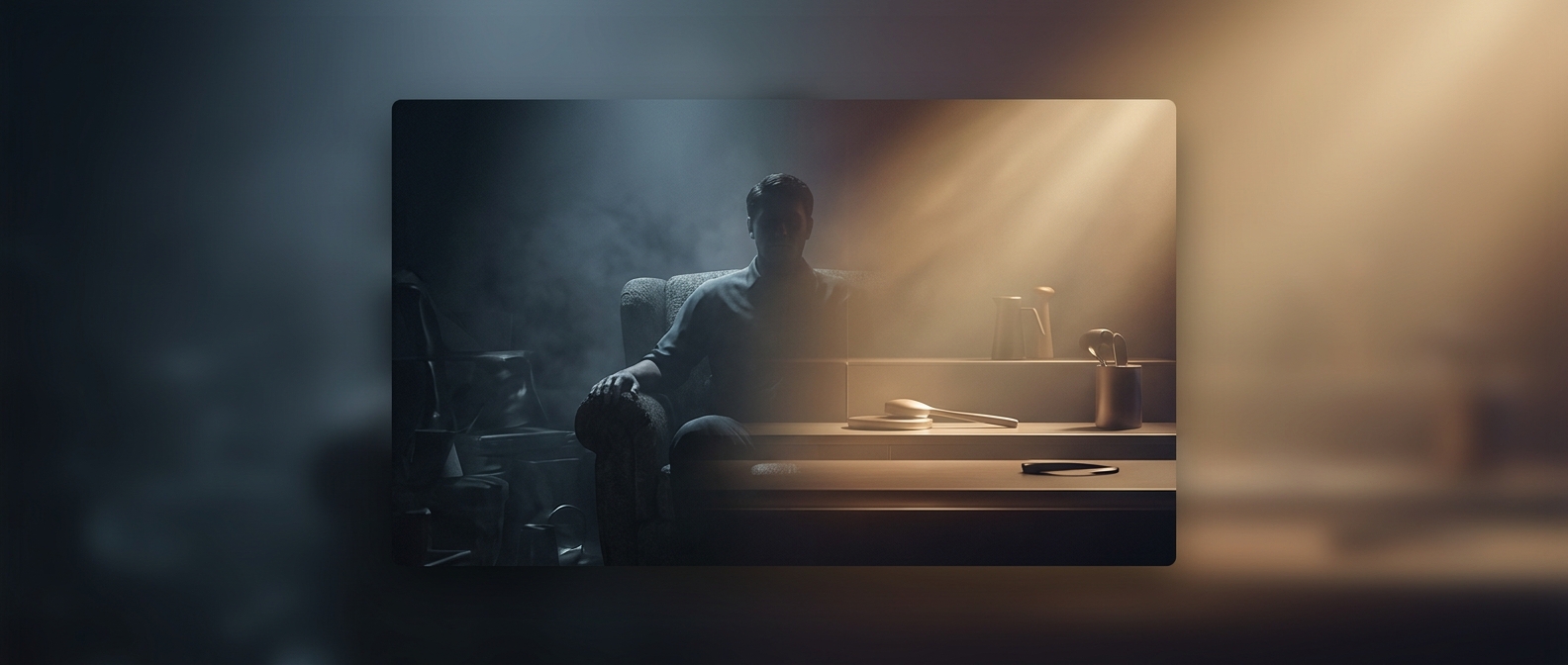
A weight-loss comparison is not just a record of two bodies. It is a pair of images made under conditions that can push the viewer toward a particular conclusion. In a staged “before” shot, harsh or overhead lighting can carve deeper shadows across the waist, while a relaxed posture may let the abdomen project forward. A turned torso, camera angle, or clothing choice can further change the silhouette.
The expression matters, too. A frown and lowered gaze can suggest fatigue or unhappiness, while a smile and upright stance in the “after” image signal confidence. The viewer is comparing not only body shape but mood, pose, and presentation.
The Contrast Is Part of the Message
These choices work because photographs feel like straightforward evidence. Yet lighting changes which contours are visible, and posture changes how the body’s outline appears. When the two images use different conditions, the contrast can look like a clean measure of physical change even though the pictures are not directly comparable.
That does not mean every transformation is false. It means the image alone cannot show how much of the apparent difference comes from weight loss and how much comes from staging. A more informative comparison would keep the camera angle, lighting, posture, clothing, and facial expression as similar as possible.
What the Viewer Is Really Seeing
The dramatic “before-and-after” effect is partly a production decision: one image is made to look less flattering, the other more flattering. The sharper the contrast in presentation, the easier it is to mistake a change in photography for a change in the body.