A shout that turns noise into a response
“I can’t hear you!” is usually less a report about the performer’s ears than a cue for the crowd. It gives thousands of people a simple part to play: answer by cheering louder. The exchange—performer calls, audience responds—creates a brief moment of participation inside a show otherwise directed from the stage.
That response can also help build momentum. A louder cheer makes the crowd’s involvement feel visible and audible to everyone in the venue, while giving the performer a natural pause before the next song or announcement.
Why hearing the crowd can be complicated
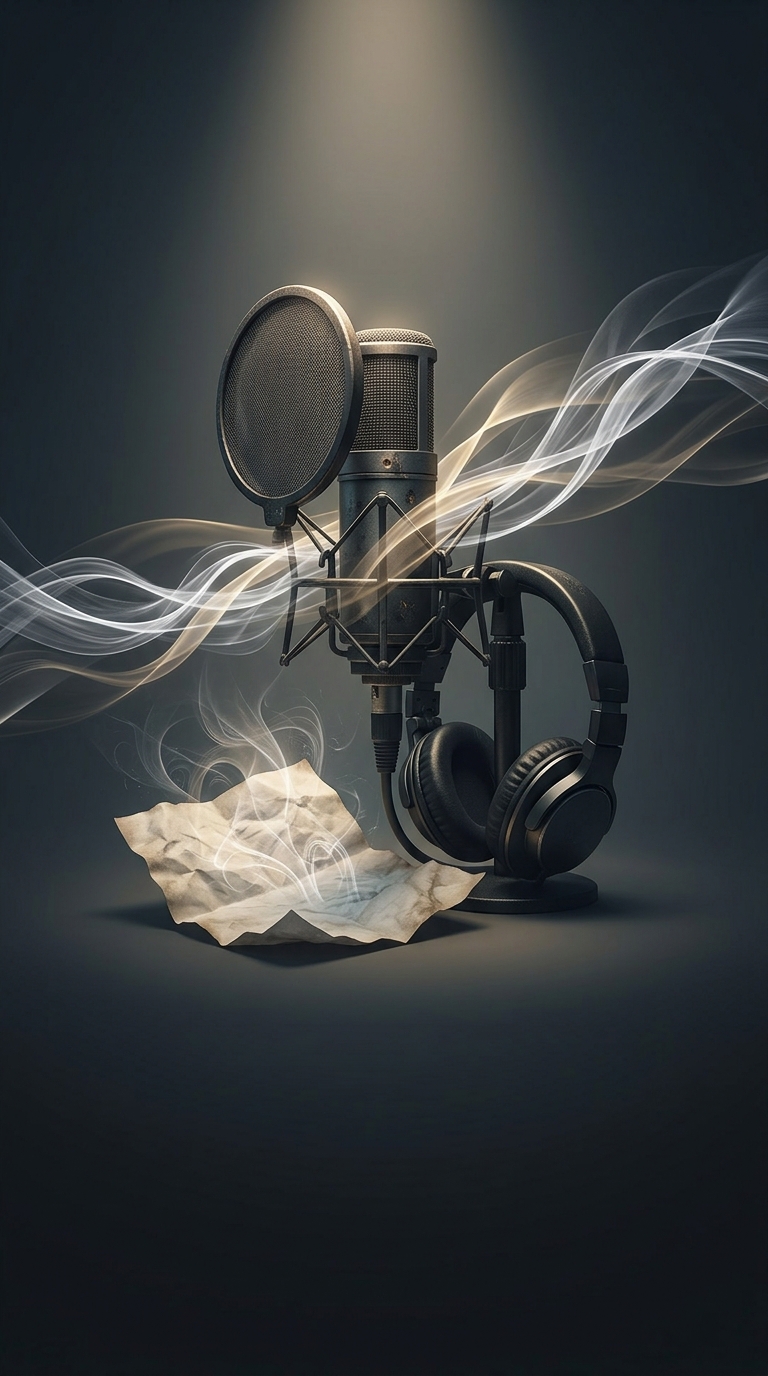
A stadium audience may sound enormous from the stands, but the performer’s position is different. The main loudspeakers are generally aimed out toward the audience, not back at the stage. Onstage, performers rely on monitors—speakers or in-ear earpieces that provide a controlled mix of the music and vocals they need to hear. Those monitors can make the show clearer while leaving crowd noise less distinct.
The venue matters, too. Sound reflects off roofs, walls, and distant seating, arriving at different times. That reverberation can turn thousands of separate cheers into a broad wash rather than a clear sense of how loud or responsive the audience is. The performer may hear the crowd, but not in the straightforward way a fan in the seats does.
The phrase works whether or not it is literal
Because it is a familiar bit of live-show language, the line can serve as a reliable invitation even when the audience is already deafening. It asks for a fresh burst of energy and gives the crowd a shared cue for when to make it. The point is less to measure the volume than to make the audience part of the performance.