Why a Motorcycle Throttle Has Two Cables
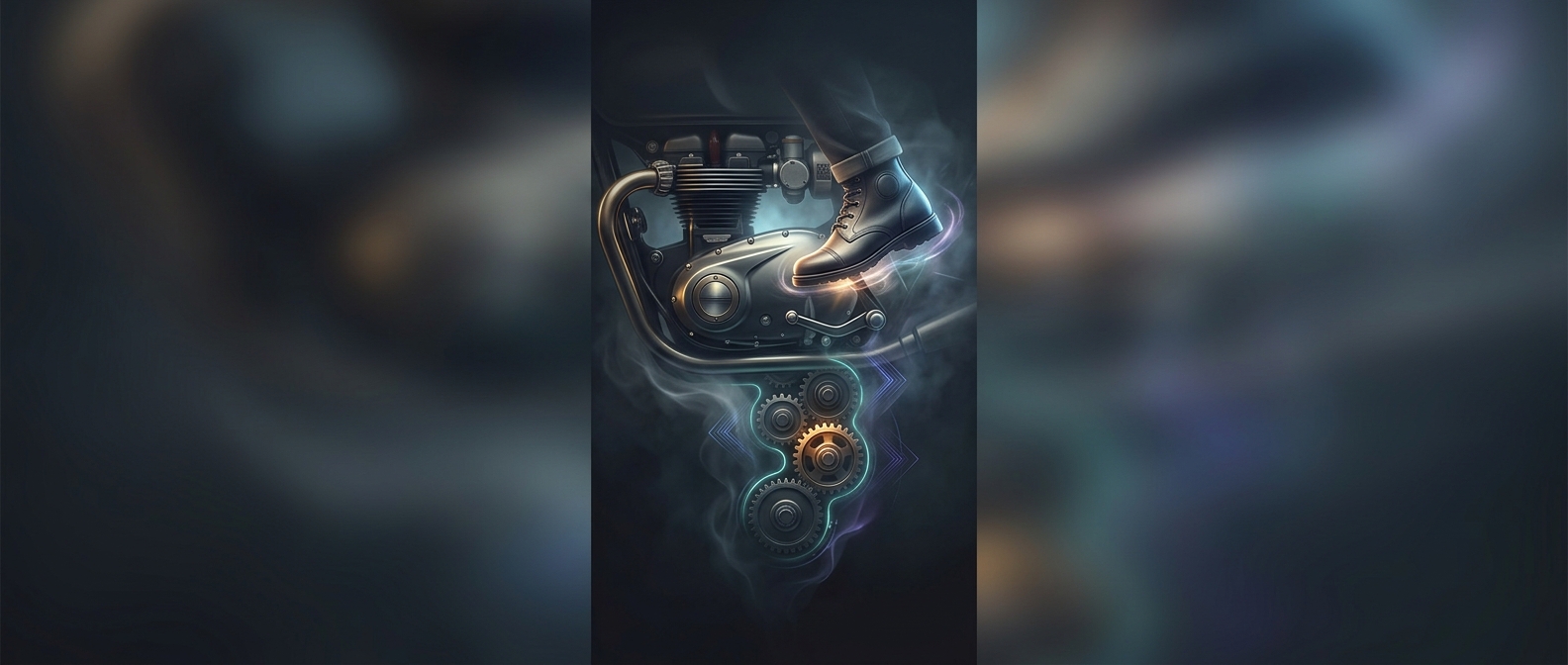
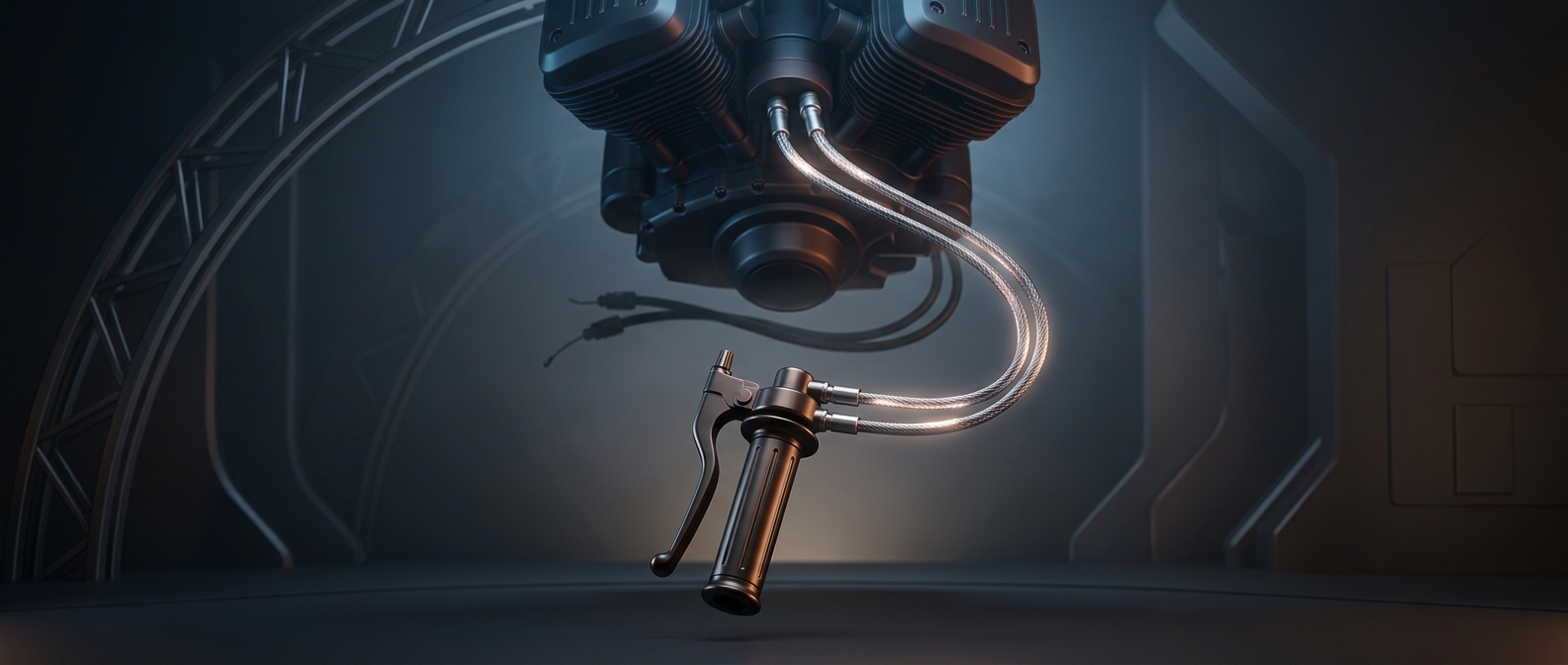
On many motorcycles, the grip on the right handlebar turns a small drum connected to the engine’s throttle. Twisting the grip pulls one cable, opening the throttle so the engine can take in more air and produce more power. Releasing the grip is supposed to let a spring pull the throttle closed.
A second cable provides a positive return: turning the grip back pulls the throttle shut rather than relying only on the spring. The paired cables are often called a push-pull system, though both are flexible cables that work by pulling from opposite directions.
A Backup for a Stubborn Throttle
The return spring usually does its job, but the throttle can become harder to close if a cable is damaged, routed poorly, or pinched as the handlebars turn. Dirt, corrosion, or a problem in the throttle mechanism can also interfere with smooth movement. In those situations, a direct closing cable gives the rider another mechanical way to rotate the throttle back.
It is not a guarantee against every failure: a cable or throttle assembly can still jam. But it reduces reliance on a single spring and makes the grip’s closing action more deliberate. That matters because a throttle that stays open can keep driving the rear wheel even after the rider has stopped asking for acceleration.
Why the Design Is Mechanical
The cables connect the handlebar grip directly to the throttle mechanism, so the rider’s hand controls both opening and closing without waiting for an electronic system to interpret a signal. The tradeoff is that cables need correct adjustment and a smooth route; too much slack can make control imprecise, while poor routing can cause binding.
That is why checking that the grip snaps back freely—and that it still does so with the handlebars turned both ways—is a practical safety check. The second cable is a small piece of hardware designed for a moment when letting go may not be enough.