The Cable Box Was a Translator, Not a Decoder
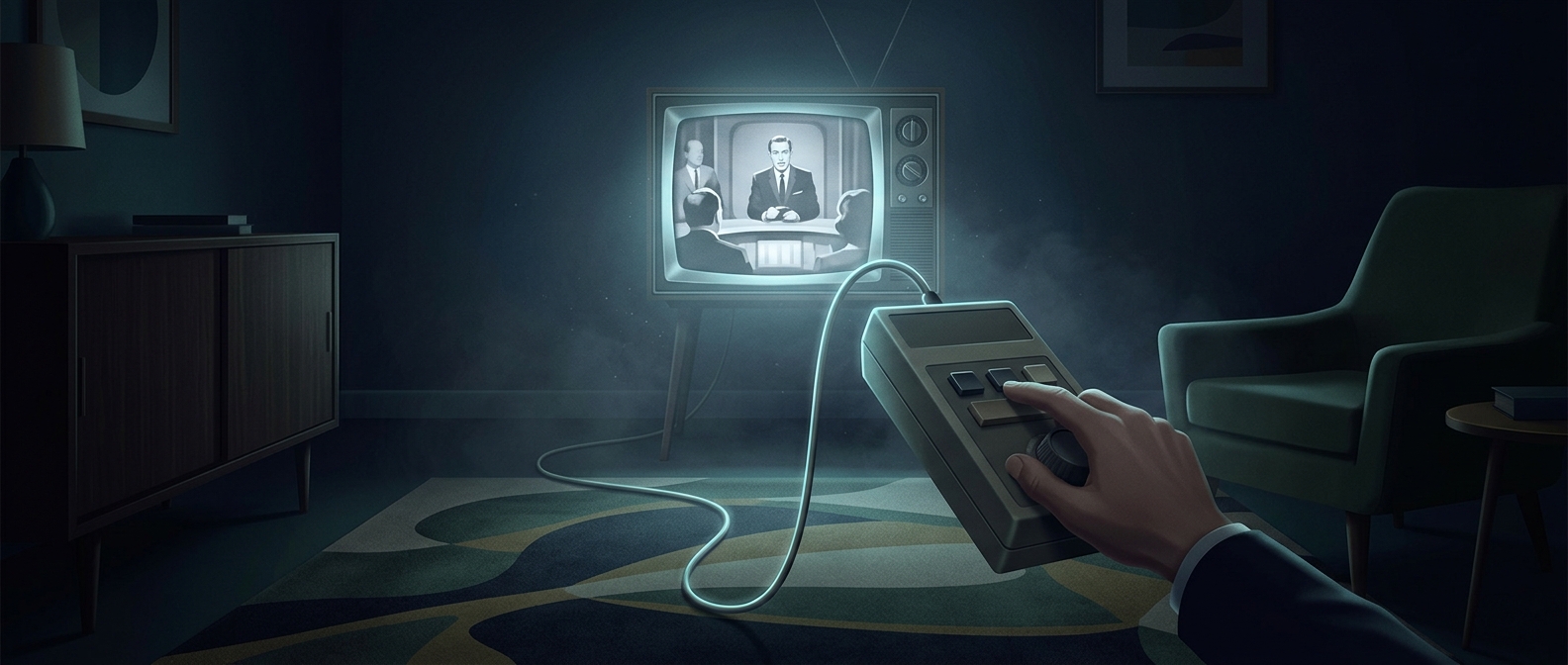
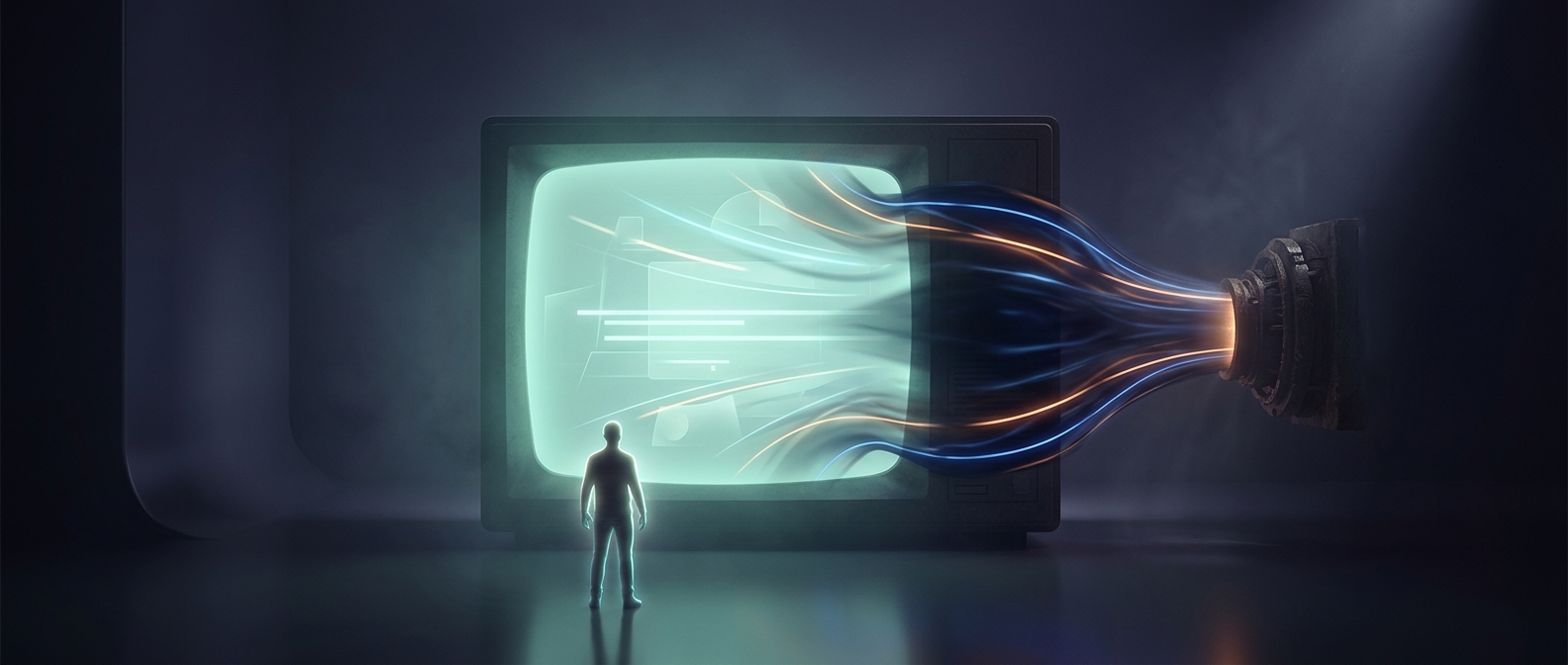
Early cable systems could send television channels over coaxial cable at frequencies a household TV’s built-in tuner was not designed to select. A cable box solved that mismatch by tuning the incoming cable signal to one channel and shifting it to a frequency the television could receive—often one of the familiar broadcast-channel frequencies.
The TV then did what it always did: tune to that output frequency and display the picture. The box was changing where the channel sat on the dial, not unlocking hidden picture information.
Why That Could Open the Door to Premium TV
Some premium channels were carried in a form that the box could pass along without decrypting it. If a viewer could get the right signal and use a compatible converter, the channel could become watchable simply because the television could now tune to it. In that setup, the box’s role was access and frequency conversion, not cryptographic protection.
That approach had an obvious limit: frequency shifting alone could not prevent someone from watching a clear signal. When operators wanted to restrict access more reliably, they needed additional controls, such as scrambling the picture or authorizing specific equipment. The early converter’s basic trick was therefore both useful and revealing: it made cable channels fit the television, but it was not, by itself, a lock on premium programming.