Why the BBC Reused Old Broadcasts
In the early years of television, a recorded programme was often treated less like a permanent cultural record than like a costly piece of equipment. Magnetic videotape was expensive, and broadcasters needed it for new productions. Once a programme had been transmitted and its immediate use was over, keeping the recording could seem like paying to store something unlikely to be shown again.
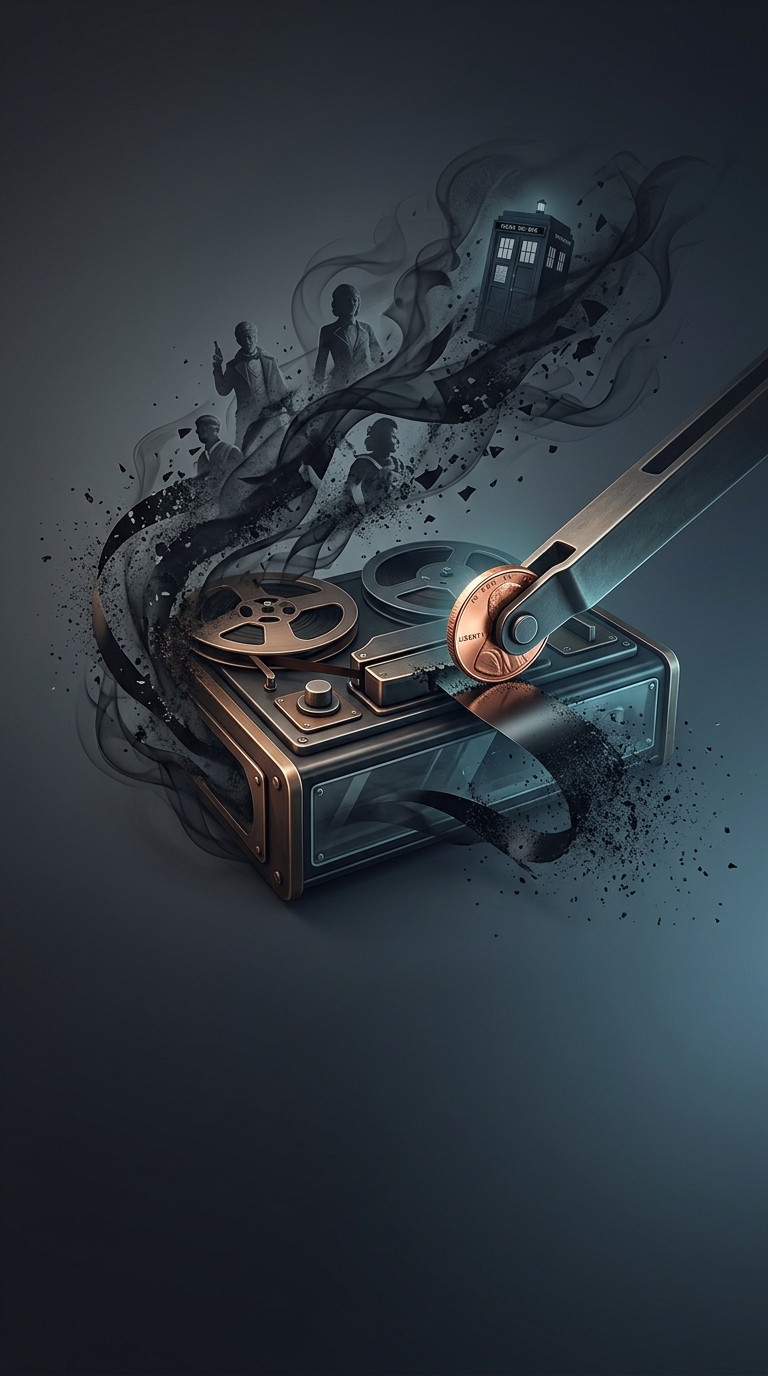
The BBC’s wiping of Doctor Who episodes followed that practical logic. Tape could be erased and used again; film copies took up physical space and required cataloguing and storage. The decision was part of a wider routine affecting old broadcasts, not a special effort to remove the series from history. But the consequences were lasting: some episodes were erased before home video or systematic preservation made old television recordings valuable in the way they are now.
How Copies Survived Abroad
A programme sent to an overseas broadcaster might travel as a telerecording: a film copy made by pointing a film camera at a television screen. These copies were less convenient to produce than simply keeping the original videotape, but they could be shipped and shown in countries without compatible video equipment.
That distribution created an accidental backup. A copy no longer wanted by the BBC might still be sitting in another broadcaster’s film library—or might have been discarded there, too. As overseas stations cleared their own collections, some prints disappeared while others remained undiscovered.
A Search Across Old Film Libraries
Finding surviving copies became a matter of tracing where episodes had been sold and checking what remained in local archives and storage rooms. Fans and researchers helped draw attention to the gaps and pursue leads, while returned film prints could restore episodes to viewing even when the original BBC tape was gone.
The result is an uneven archive: some stories survive intact, others only in fragments, and some remain missing. A routine choice to reuse a recording had turned the future of particular episodes on whether a film copy happened to outlast the paperwork—and the next clear-out.