How an Edit Gives a Neutral Face an Emotion
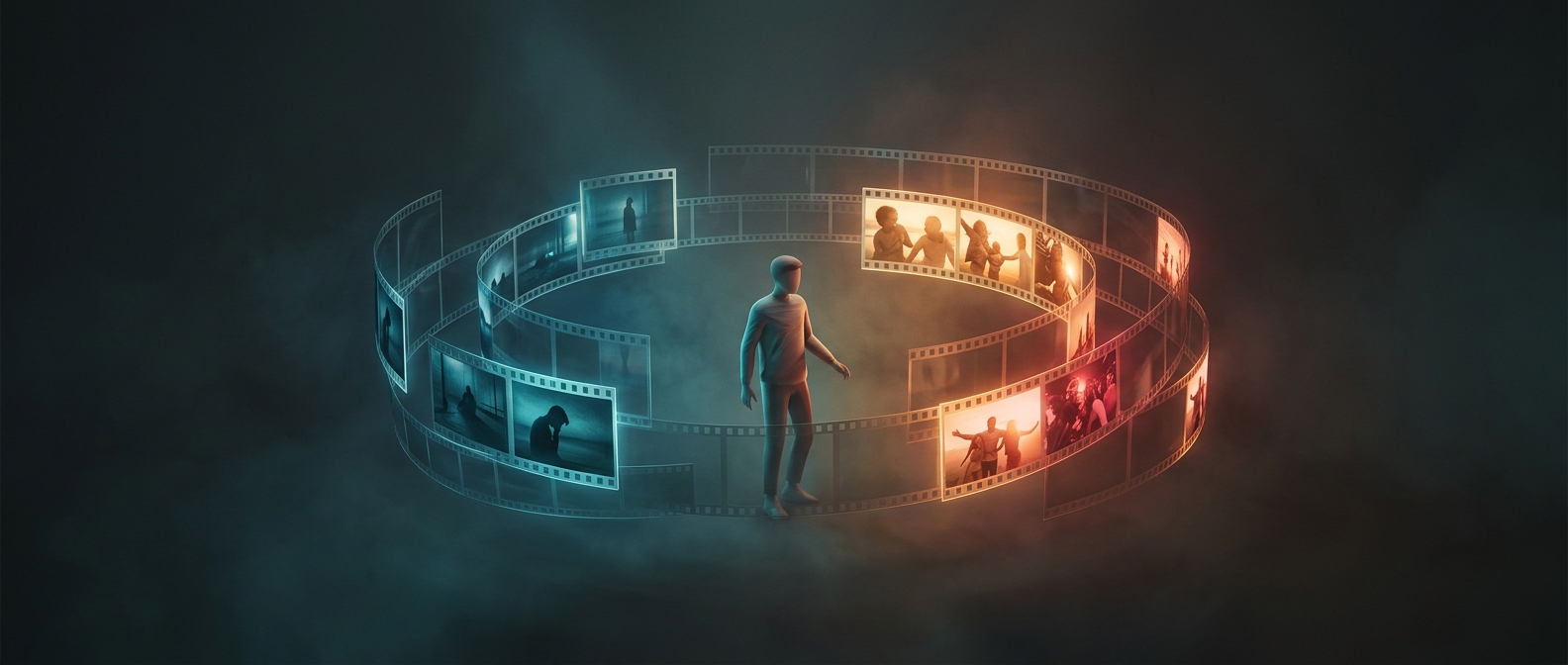
A face on its own leaves room for interpretation. When an editor places another image beside it, viewers tend to treat the two shots as connected: the face becomes a reaction to what came before or after. The expression has not changed, but its apparent meaning has.
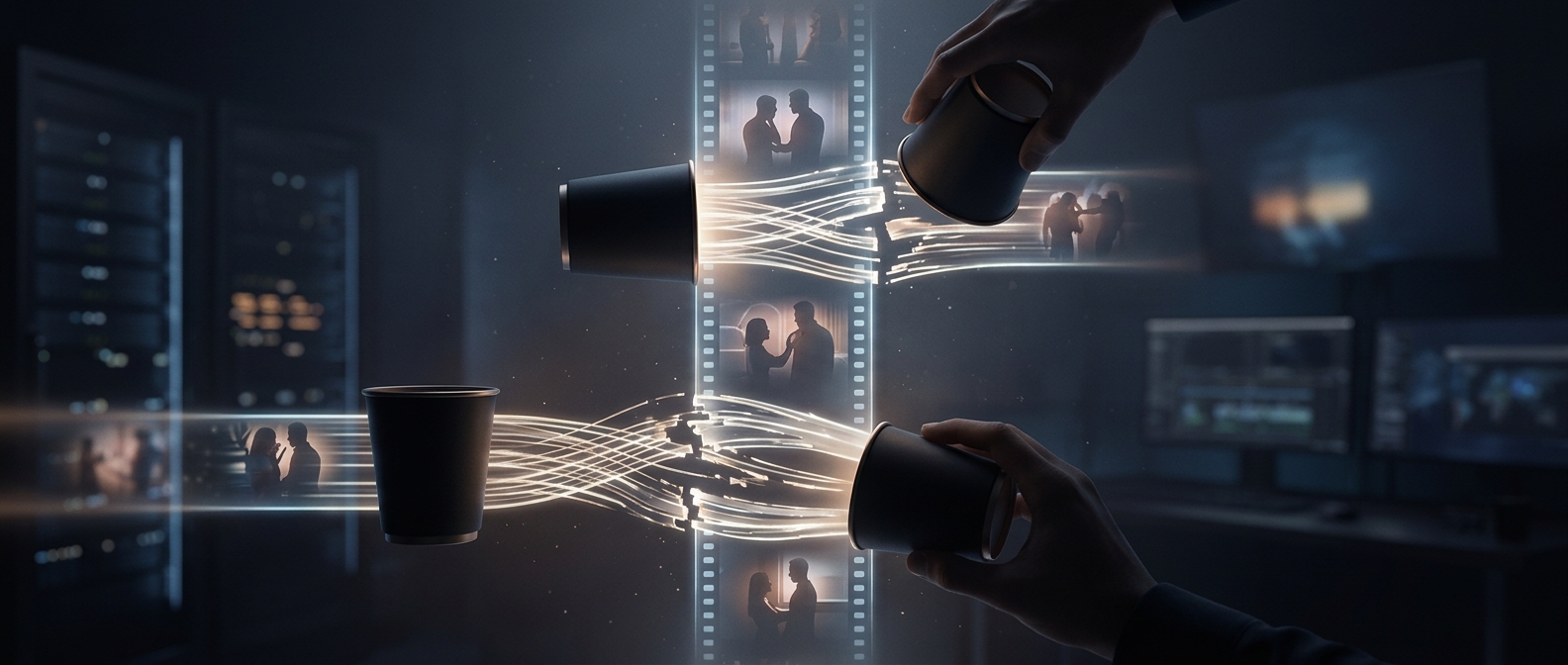
This effect is often associated with montage—the technique of creating meaning by arranging separate shots. The audience does part of the work, supplying a motive or feeling that neither image establishes alone. A bowl of soup can make a still face seem hungry; a distressed child can make the same face seem grief-stricken. The second image acts like a cue that narrows the possible readings of the first.
Why the Order of Shots Matters
Editing controls more than what viewers see; it controls what they assume belongs together. Put the face after an image, and it may read as a response. Place the image after the face, and it may seem to reveal what the person is thinking about. A pause, a cut, or a different neighboring shot can shift the interpretation without changing the actor’s performance.
That gives filmmakers a practical tool: they can shape a character’s apparent inner life through selection and sequence, not just dialogue or facial expression. It also means viewers should not treat every screen emotion as something plainly visible in a face. Sometimes the feeling is created in the space between shots.