How a Balance Patch Can Disrupt More Than Combat
A character-balance update is meant to change how useful a character is in play. But in a game where characters, gear, or other items can be traded, changing what players want can also shift demand across the marketplace. An item that was easy to ignore may suddenly matter; something once prized may lose its appeal.
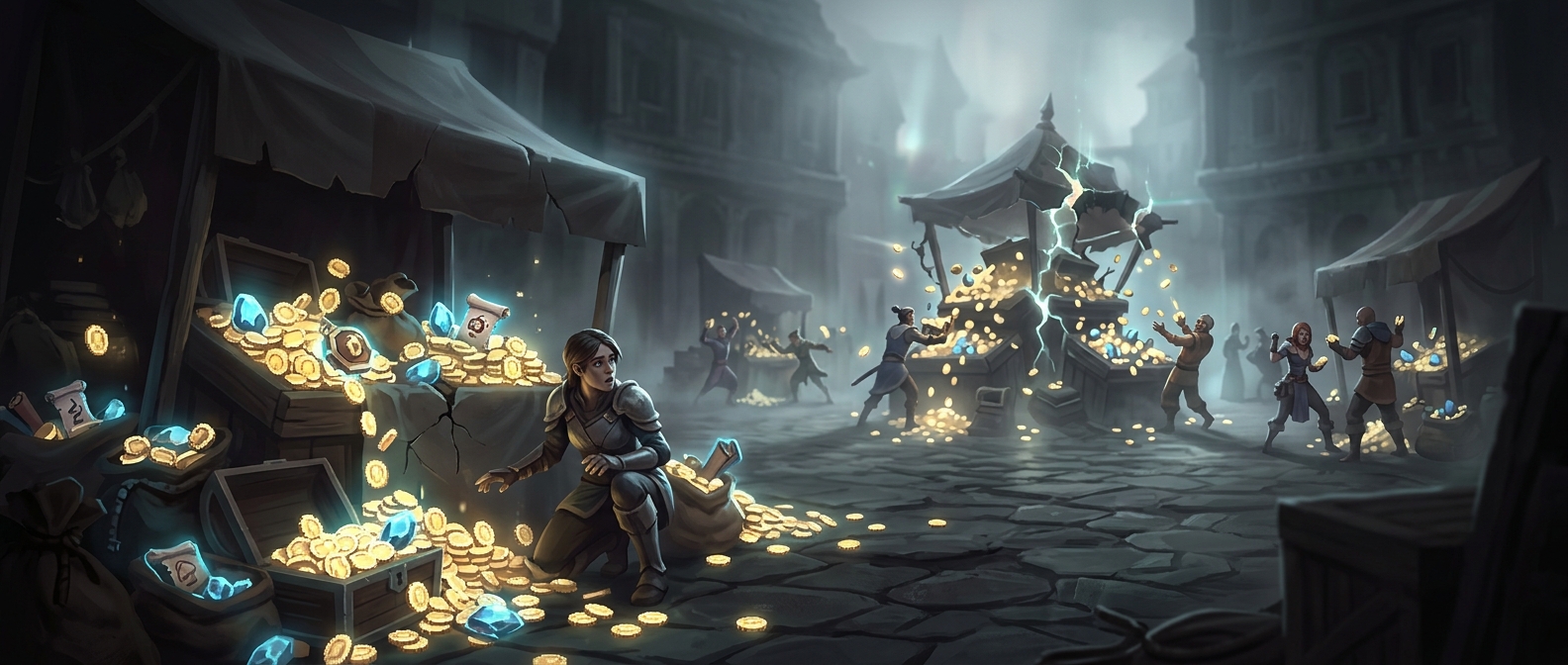
The more immediate danger is a mismatch between systems. Trading rules must correctly recognize what each player is giving and receiving. If an update changes an item or its value in a way the trade system handles incorrectly, players may find a loophole: offer something nearly worthless and receive something valuable in return. The exact flaw can vary, but the result is the same—the intended rules no longer reliably govern the exchange.
Why Developers Have to Contain It Quickly
Once players discover a profitable exploit, using it can seem like the rational move. Every successful trade can add more valuable goods or currency to circulation, and those gains may then be traded onward. That makes the problem harder to unwind: even players who never used the original loophole can be affected if prices and inventories shift around them.
Developers therefore face a tradeoff. They need to stop the exploit, often by disabling or restricting the affected feature, while figuring out what happened to the items and fortunes already created. A rushed fix can interrupt legitimate play, but leaving the loophole open invites more abuse.
That is how a patch aimed at fairer character matchups can become an economic emergency: in a connected game, a small rules change can reach the marketplace—and one bad exchange can multiply far beyond the players who found it first.