How One Photon Starts a Signal
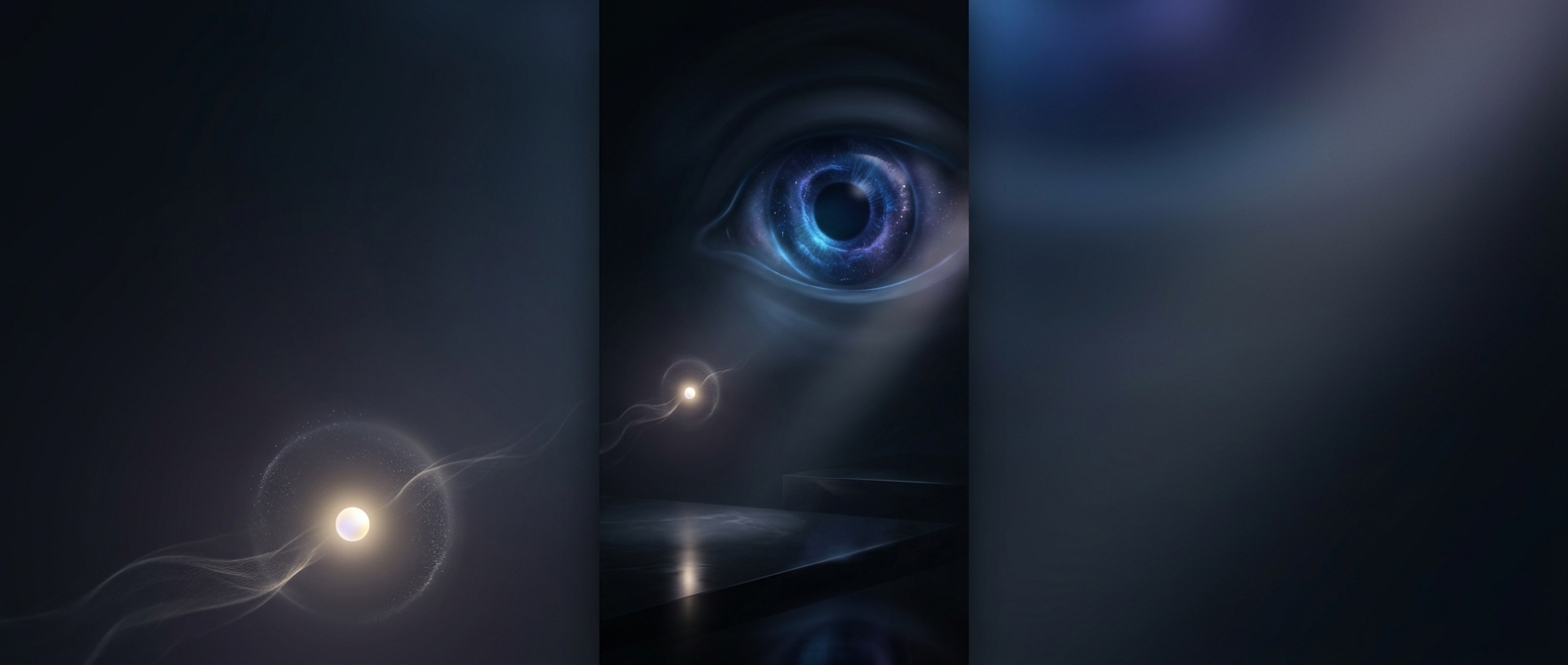
A photon is a single packet of light. In the retina, it can be absorbed by a rod—a light-sensitive cell specialized for dim conditions. Absorption changes a molecule inside the rod, setting off a chain of chemical reactions that briefly alters the cell’s electrical signal. The event is extraordinarily small, but it is a real signal, not an image of a tiny dot traveling to the brain.
The Retina Has Its Own Background Noise
A rod does not sit in perfect silence between flashes of light. Heat-driven molecular changes can sometimes imitate the early stages of photon absorption, and cells also vary in their activity. The brain must judge whether a faint signal is likely to come from light or from this background. A photon may therefore trigger a rod without producing a conscious sensation.
From Rod Signals to a Perceived Flash
Retinal circuits combine information from many rods and pass it through layers of nerve cells before signals reach the brain. This pooling helps when light is scarce, but it also means the system evaluates a pattern of activity rather than simply reporting every photon absorbed. How well a faint event survives depends on the surrounding noise and on the brain’s threshold for treating activity as a real flash.
That is why “can detect” is not the same as “will notice.” Under favorable conditions, the visual system can register an event initiated by a single photon; in ordinary circumstances, the same photon’s signal can disappear into the retina’s own fluctuations.