Why a screen can interrupt your breathing rhythm
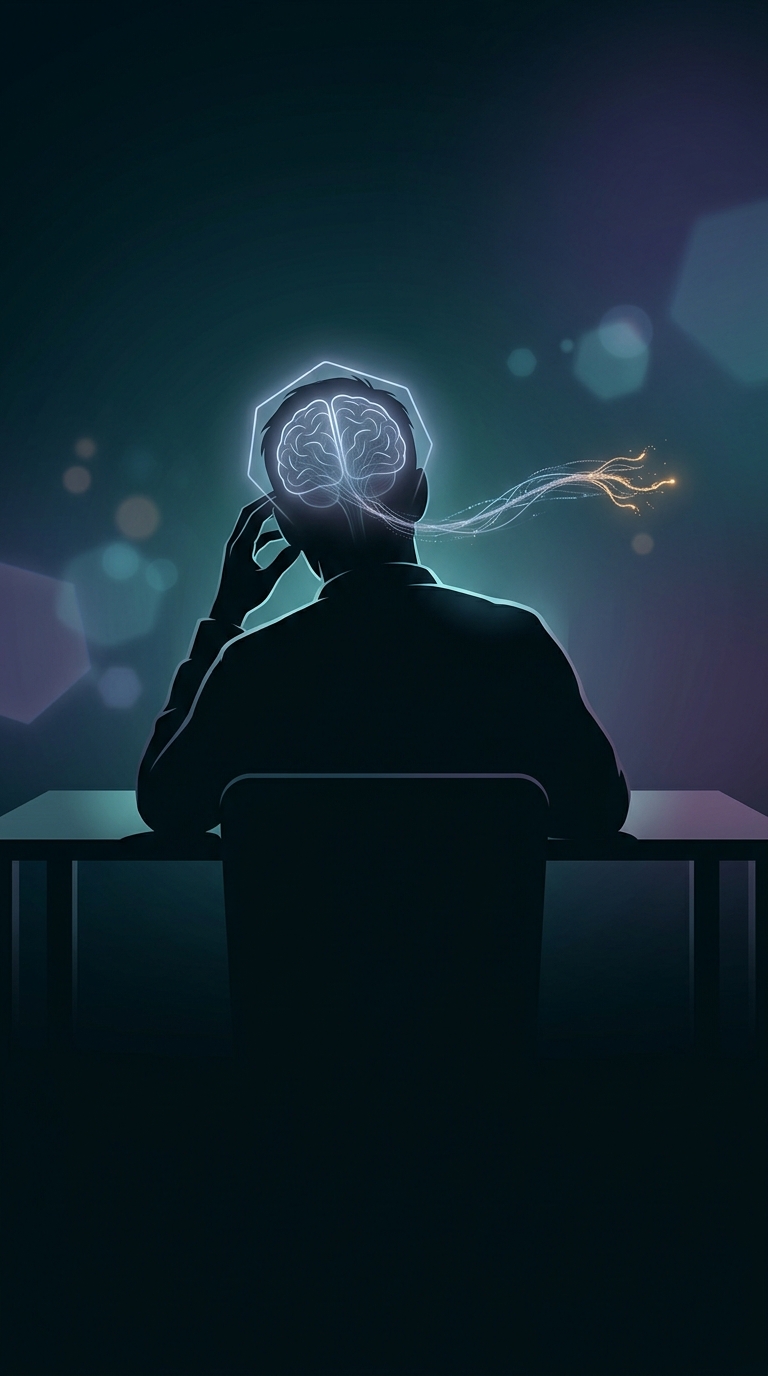
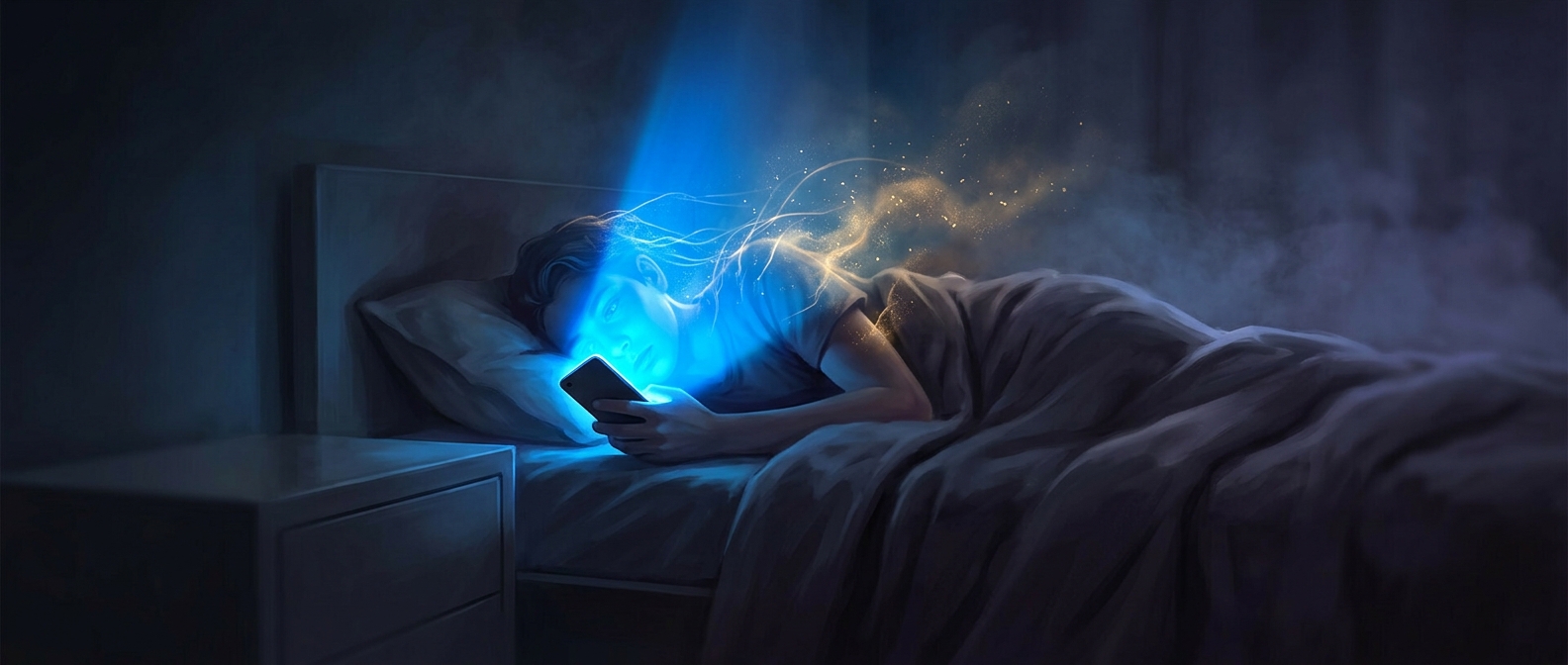
When attention narrows around a message, you may briefly stop noticing the ordinary rhythm of breathing. Some people pause after an exhale or take smaller, shallower breaths while reading or typing. This is not usually a deliberate breath hold; it is a momentary shift in an automatic process that normally runs in the background.
Breathing is regulated partly by signals that track carbon dioxide in the blood. If a pause lasts, carbon dioxide rises slightly, and the brain’s breathing centers prompt the next breath. That built-in response is why a short, unnoticed pause generally ends on its own. You may then take a deeper breath or sigh as your breathing settles back into its usual pattern.
What you might notice—and what it means
During a longer pause or a spell of shallow breathing, some people feel a little air-hungry, tense, or distracted when they finally notice their breath. The sensation can make a small pause seem more dramatic than it was. A brief interruption while concentrating is different from sleep apnea or a prolonged inability to breathe; the informal phrase “email apnea” is not, by itself, a medical diagnosis.
If you catch yourself doing it, simply let your breathing return to a comfortable rhythm rather than forcing unusually deep breaths. The useful takeaway is modest: intense screen focus can make an automatic body rhythm slip out of awareness, but the normal drive to breathe keeps working in the background.