Why a Screen Can Change Your Breathing
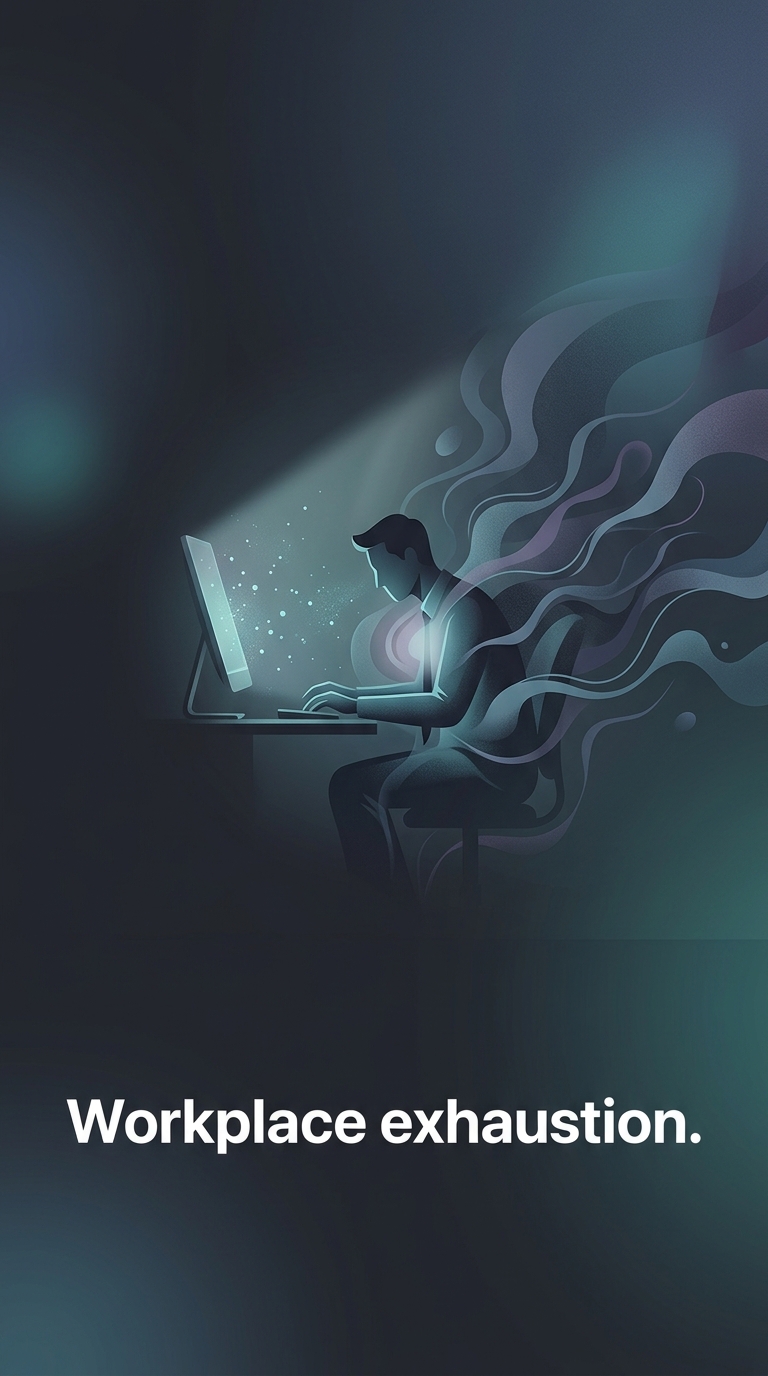
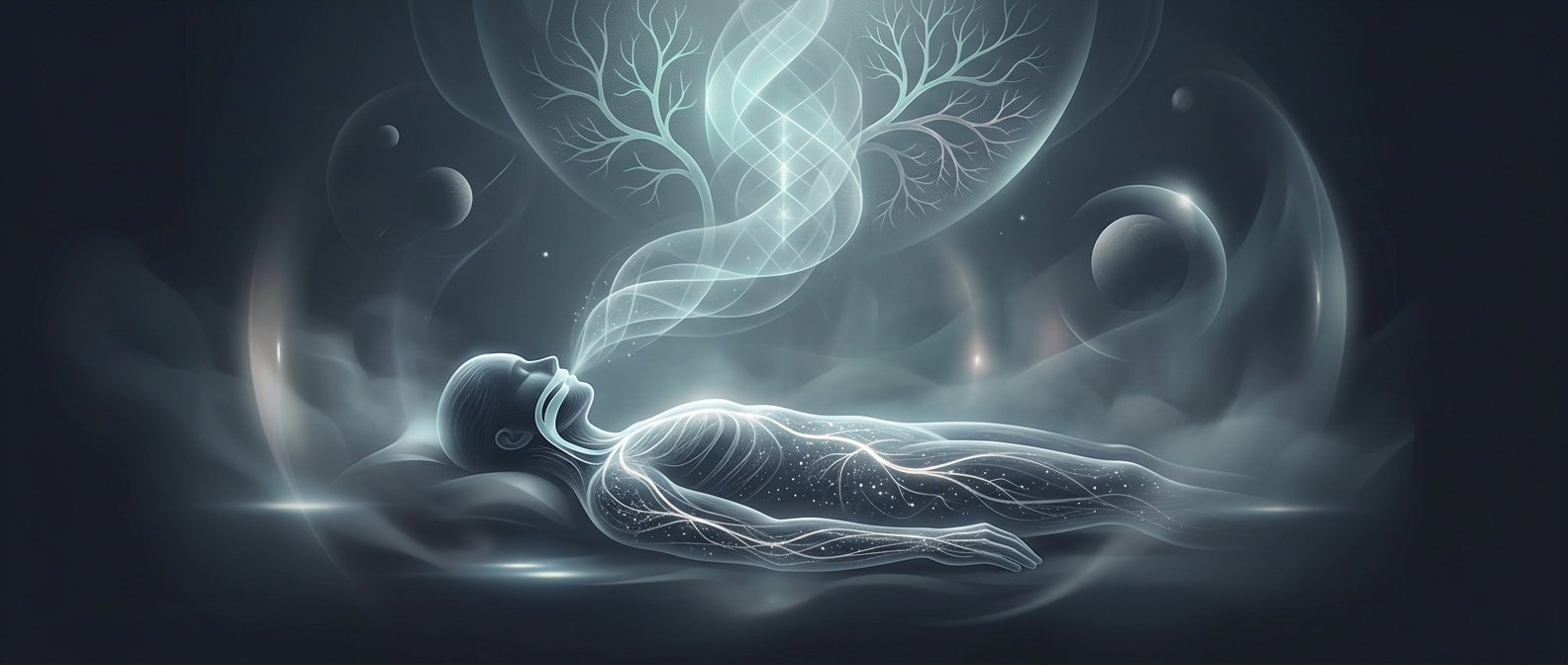
When attention locks onto a demanding screen task—an email that needs a careful reply, a tense message, or a spreadsheet full of errors—breathing may become shallow or briefly pause. This pattern is often called screen apnea. It is usually an unnoticed shift in breathing, not a literal failure of the body’s automatic breathing system.
Breathing runs largely on autopilot, but attention, posture, and emotion can still influence its rhythm. People may lean toward a screen, tense their shoulders, and unconsciously hold their breath during a moment of concentration. The body generally restarts breathing without deliberate effort; a brief pause is not the same as being deprived of oxygen for a dangerous length of time.
How the Pattern Can Feed Tension
A tense task can make breathing smaller and less regular. That can feel uncomfortable, and noticing the discomfort may add another layer of worry: Why am I so keyed up? Stress itself can also change breathing, so the relationship works in both directions. A brief breath hold does not, by itself, show that the brain has mistaken an inbox for mortal danger or that adrenaline is flooding the body.
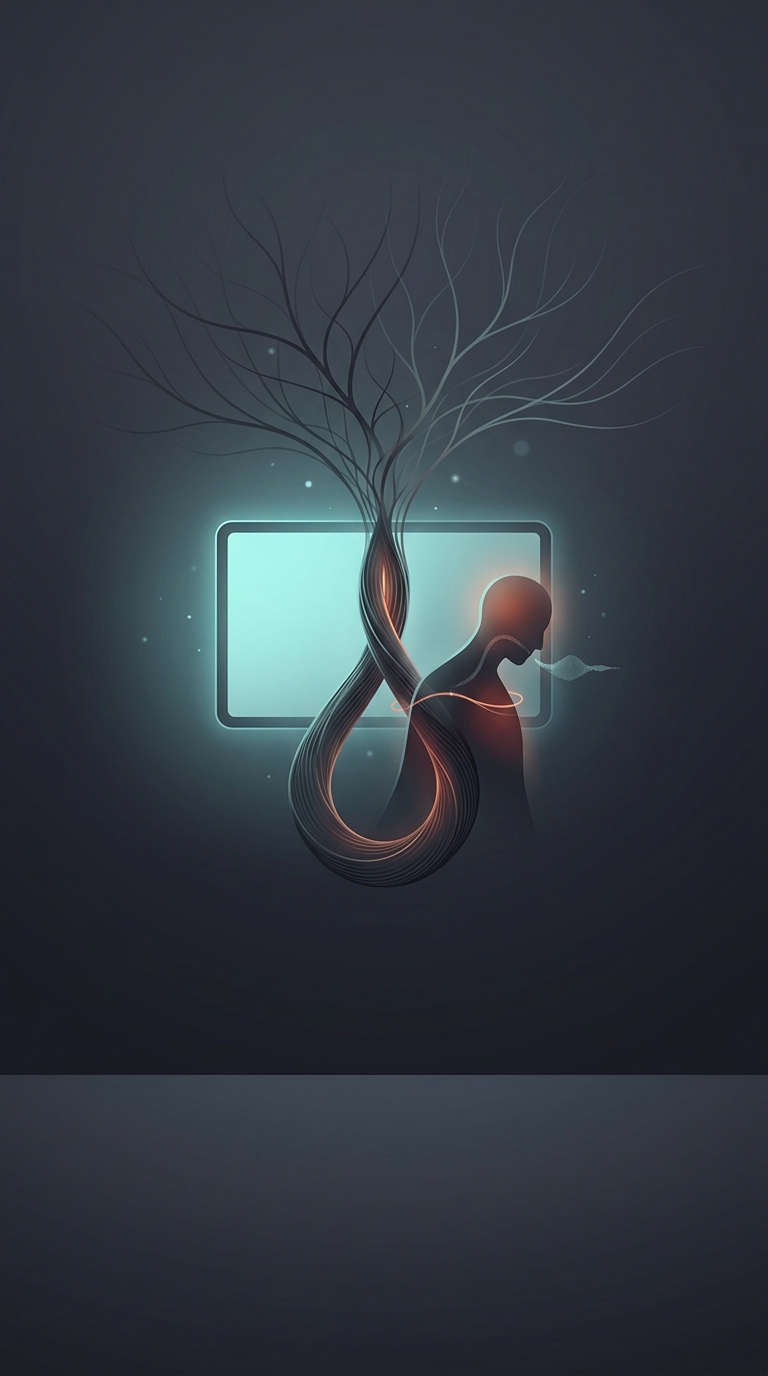
The useful point is more modest—and more practical. A screen can become part of a loop in which concentration tightens the body, altered breathing feels strange, and that sensation adds to unease. If the pattern is familiar, a short pause to sit back, relax the shoulders, and let breathing return to its ordinary rhythm can interrupt the loop without forcing unusually deep breaths.
That makes the phenomenon less a humiliating failure of an automatic function than a small, often overlooked sign of tension. Sometimes the first clue that a routine task has become stressful is not the message on the screen, but the breath you forgot to take.