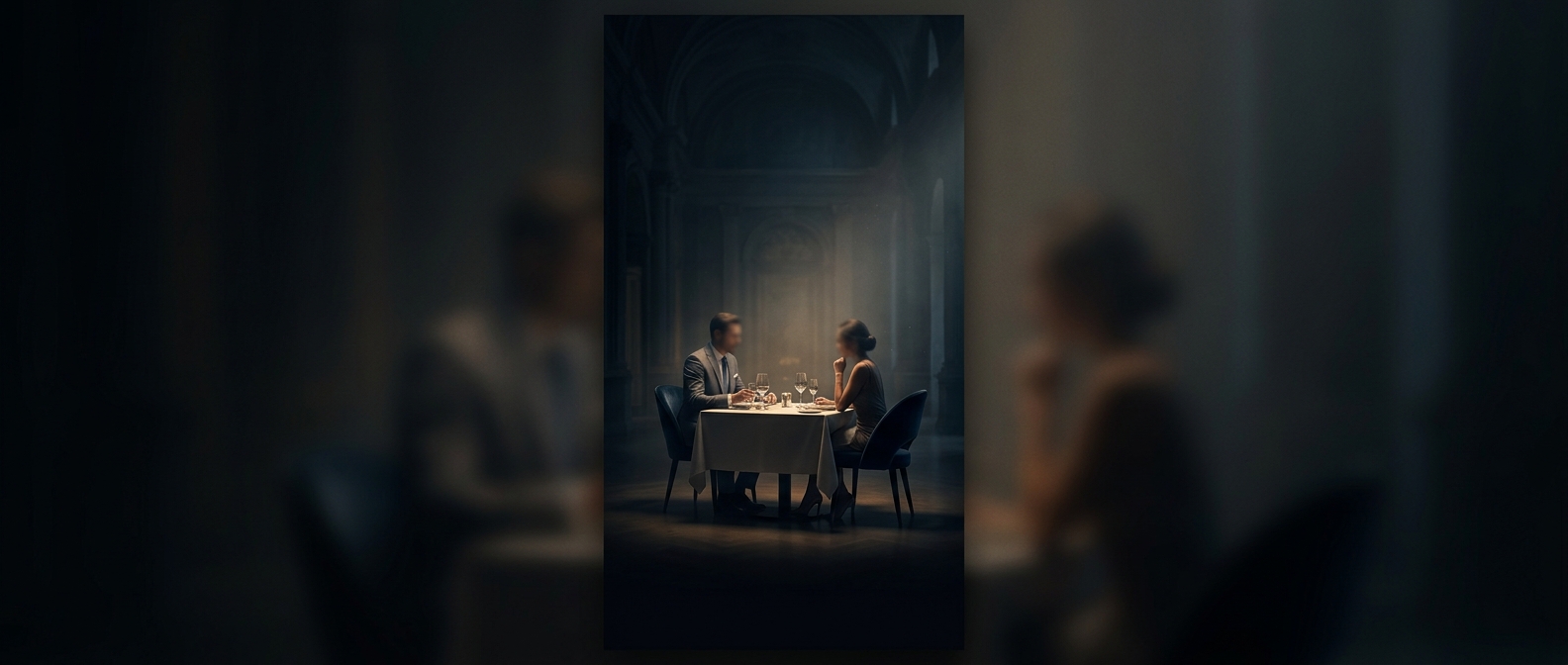
How dim light changes a restaurant’s mood
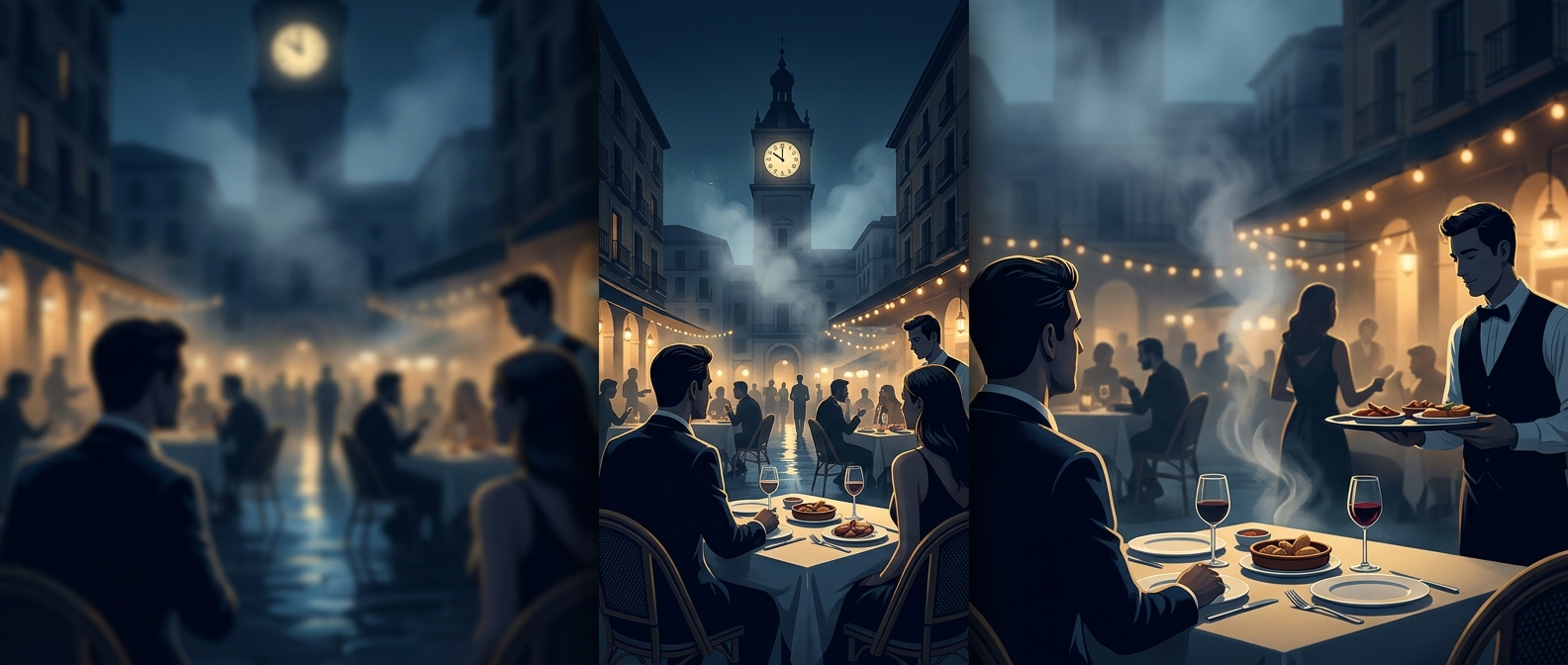
In an upscale dining room, low light can make a table feel like its own small world. Faces and nearby candlelight stand out while the rest of the room recedes, creating a sense of privacy even when other diners are close by. That atmosphere can make a meal feel less like a quick transaction and more like an occasion.
A room designed for a slower evening
Dim lighting also changes how guests experience time. With fewer bright visual cues, the room can feel calmer and less hurried; conversation and another drink fit naturally into the evening. For a restaurant, that can mean guests stay longer and may order more than they would during a brisk meal. The lighting is part of the service design, shaping the pace without anyone having to announce it.
The tradeoff at the table
The same low light that softens the room can make small print harder to read. Prices, menu details, and the final bill may take more effort to inspect, especially by candlelight. The ambiance has a practical cost: diners who want to compare options or check a charge may need to move a menu toward a brighter spot or use their phone’s screen.
That tension helps explain why dimness can suit a luxury restaurant so well. It supports intimacy and a leisurely, drink-friendly meal, while making the transaction itself less visually prominent.