Why a drink may feel different at cruising altitude
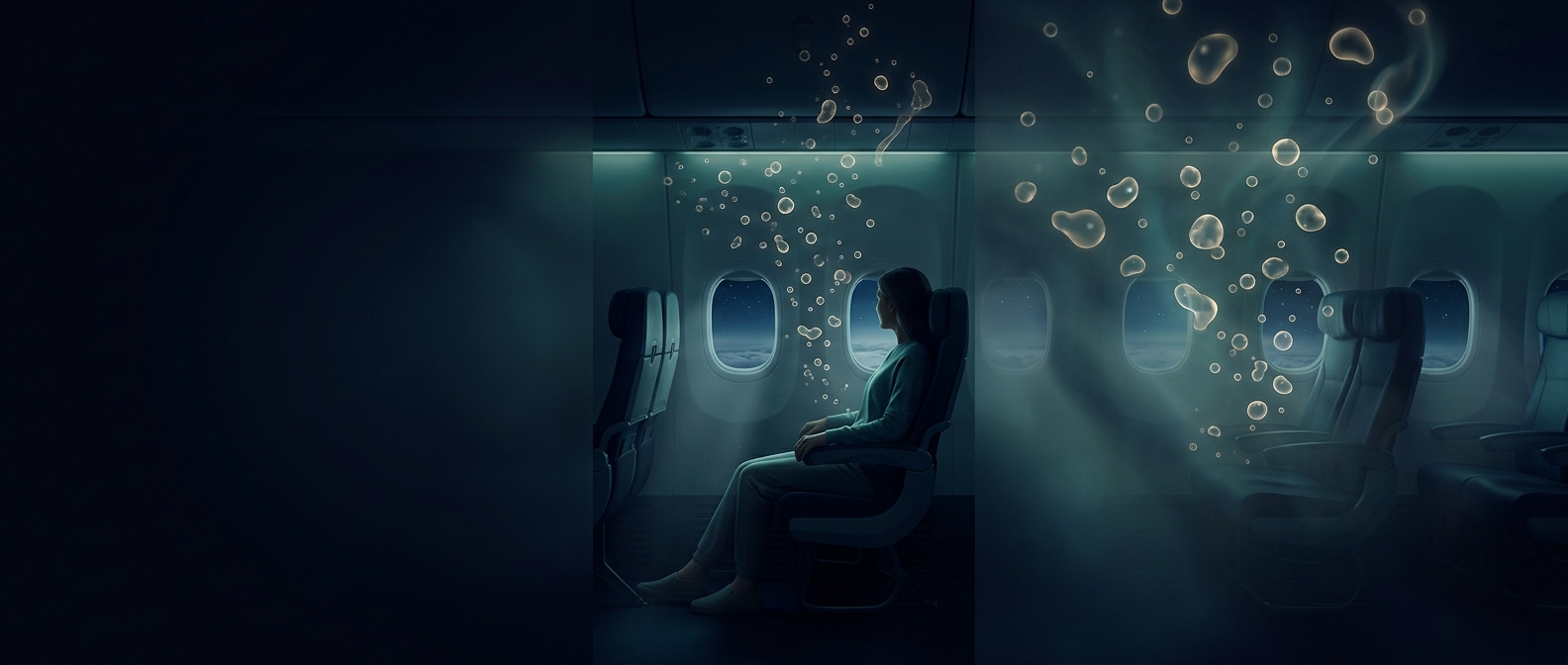
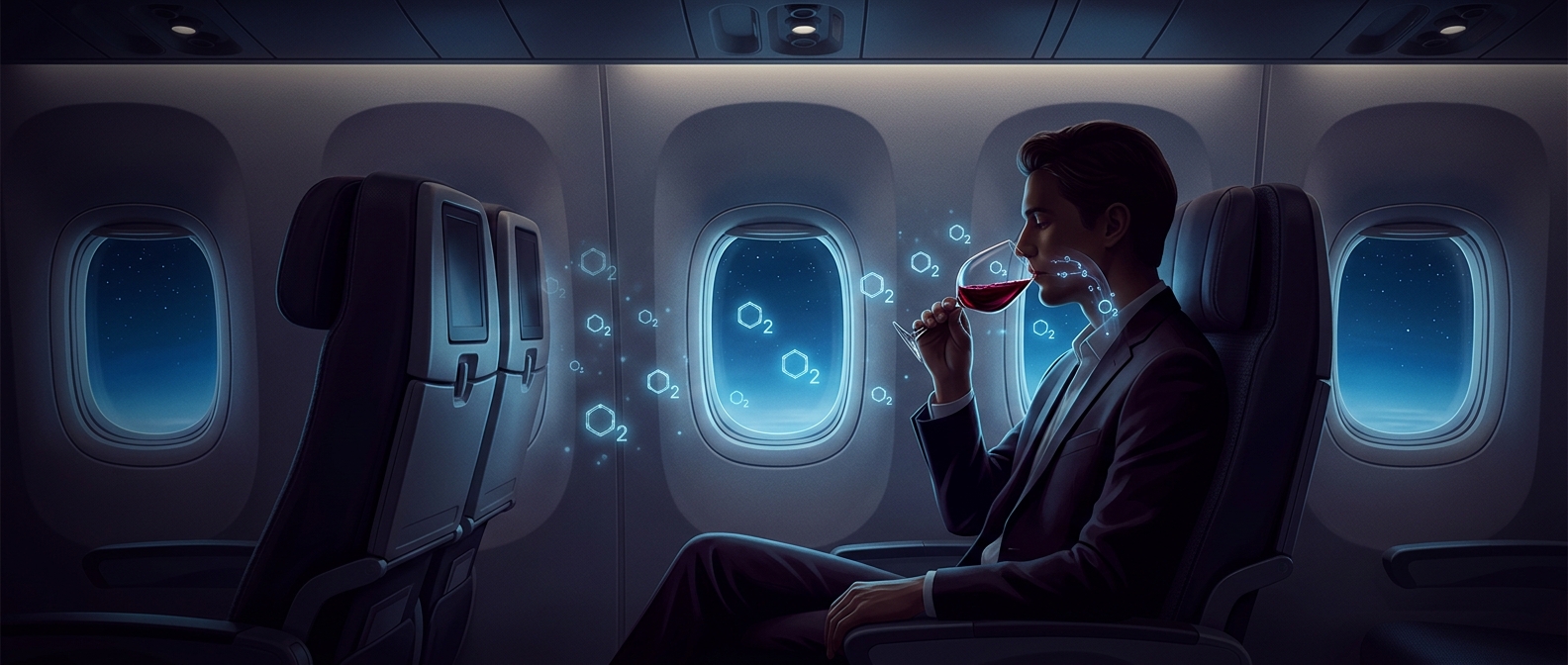
Airliners are pressurized, but the cabin is not kept at sea-level pressure. Its pressure is often comparable to being at roughly 8,000 feet, so each breath delivers somewhat less oxygen than it would on the ground. Most healthy travelers adjust without difficulty, though some may feel mildly light-headed or tired.
Alcohol adds to the same sensations
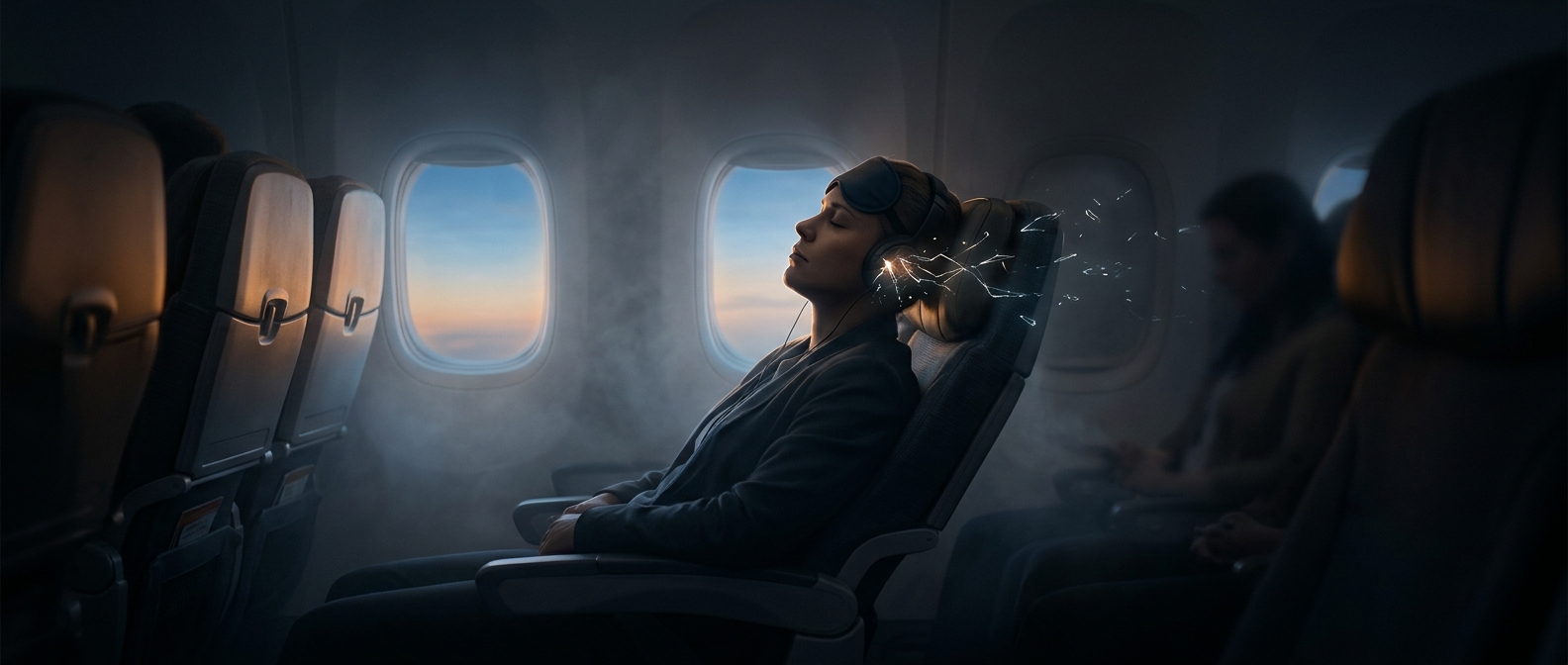
Alcohol slows activity in the brain and nervous system. It can impair balance, coordination, and judgment—effects that may be easier to notice when you are already tired or feeling a little dizzy. The cabin environment does not make every passenger’s blood alcohol level rise faster; rather, alcohol’s familiar effects can feel more pronounced against the strain of travel and the body’s response to cabin conditions.
Long hours awake, disrupted sleep, and sitting still can also leave travelers sluggish. Those factors vary from person to person, which helps explain why one passenger may barely notice a drink while another feels unsteady. Taking it slowly—and having water and food—can make the flight more comfortable, but it does not cancel alcohol’s impairment.