How Passengers Add Heat to an Aircraft Cabin
At cruising altitude, the air outside an airliner is far too cold to breathe or live in. The cabin stays comfortable because the aircraft continually supplies conditioned air, not because passengers are needed to warm it. Still, every person aboard adds heat to that carefully managed environment.
A Cabin’s Moving Heat Balance
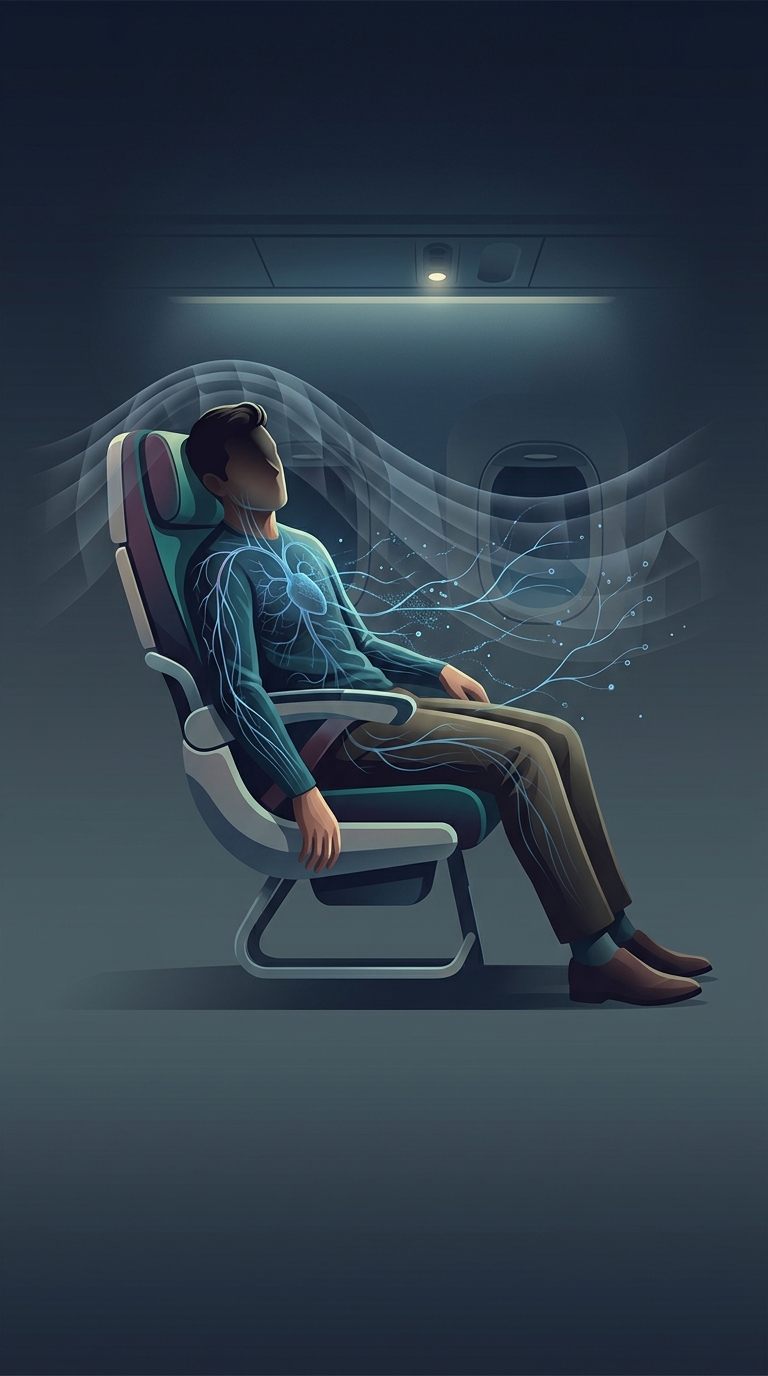
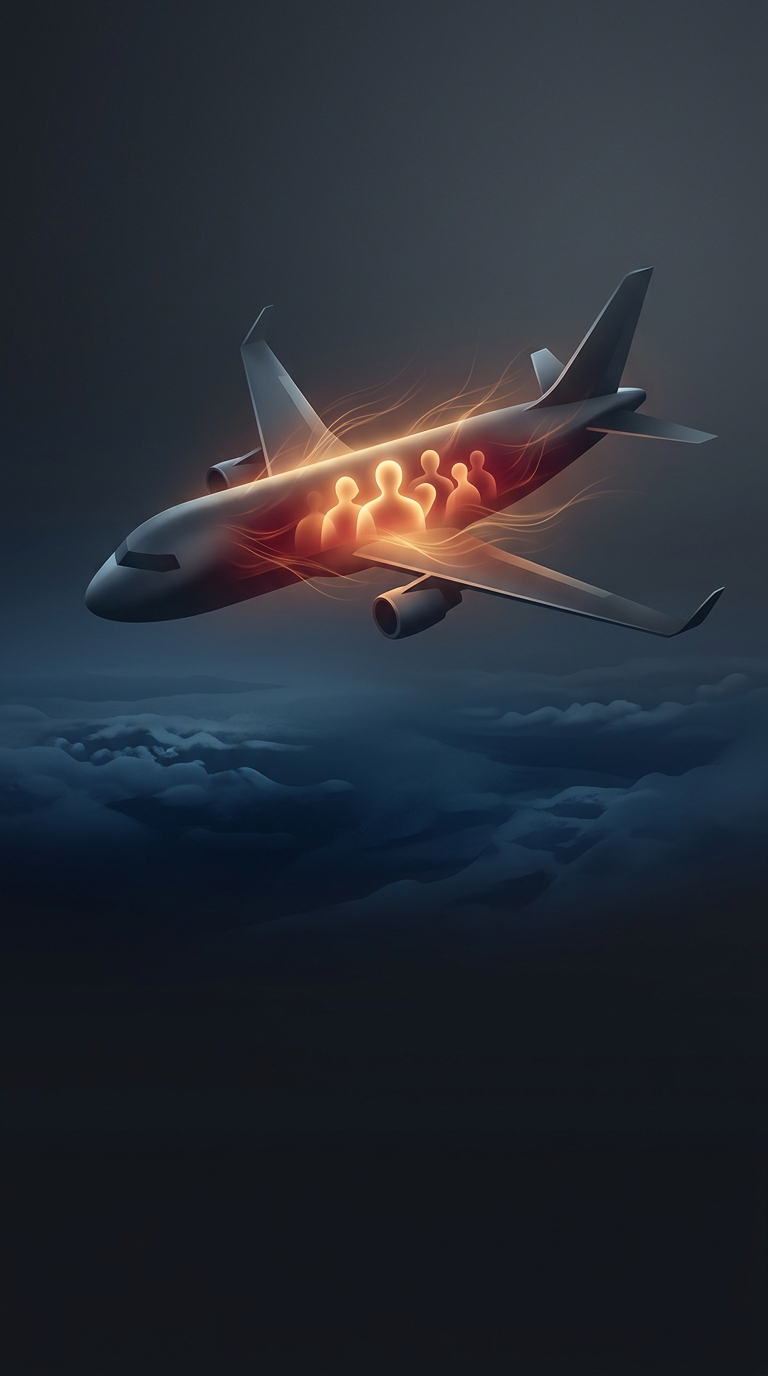
People release warmth as their bodies use energy. An adult’s output is often compared with a roughly 100-watt lightbulb, though the actual amount varies. In a crowded cabin, that warmth comes from hundreds of people at once, along with heat from lights, equipment, and other sources.
Airliners manage the total through ventilation and temperature controls. Air-conditioning packs—systems that condition air for the cabin—mix fresh air with recirculated air and adjust its temperature. The system must remove heat when the cabin is warm and supply heat when it is cold. Passenger warmth therefore changes the workload; it does not serve as the cabin’s essential heater.
Why an Empty Seat Is Not a Heating Problem
With fewer passengers, there is less body heat to account for, but the aircraft’s environmental-control system can still maintain a safe, comfortable cabin. Airlines avoid empty seats chiefly because an unsold seat brings in no passenger revenue while the flight still carries substantial operating costs. The practical connection is subtler: passengers are part of the cabin’s heat load, just as they are part of its demand for ventilation and space.
So a full cabin does contribute warmth—but the plane’s systems, not its passengers, are what keep the cabin livable above the clouds.