Why an eastbound flight feels like a clock running fast
Crossing time zones eastward makes local time jump ahead. After landing, the destination may be approaching bedtime while your body still reads the hour as earlier in the day. You have to fall asleep and wake up sooner than your internal clock expects—a shift called a phase advance.
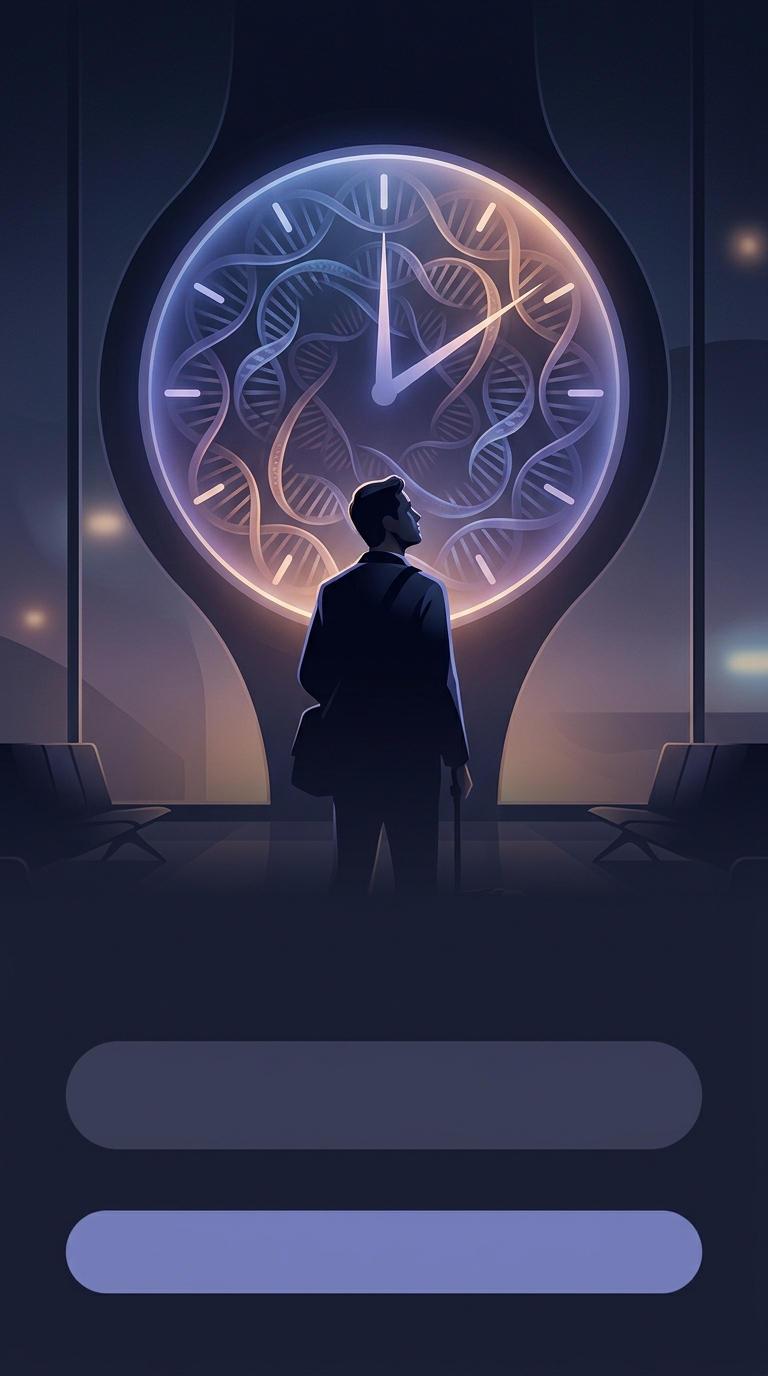
Your circadian rhythm is the roughly 24-hour cycle that helps coordinate sleep, alertness, and other bodily processes. In many people, its natural cycle runs a little longer than 24 hours. That tendency makes it easier for the clock to drift later than to move earlier, so delaying sleep often feels less difficult than advancing it.
Light helps reset the clock
The brain does not simply obey the time shown on a phone. It uses cues from the environment, especially light, to adjust its timing. After an eastbound trip, appropriately timed daylight can help nudge the body toward an earlier schedule. But until those cues and the new sleep routine shift the clock, the mismatch can make it hard to feel sleepy at local bedtime or alert in the morning.
Westbound travel usually asks for the opposite adjustment: staying awake and going to bed later. That delay tends to fit the body’s natural drift better, which is one reason westbound jet lag is often easier. The practical difference is that an eastbound arrival can demand an earlier night before your body is ready for one.