The fastest useful reset is timed light
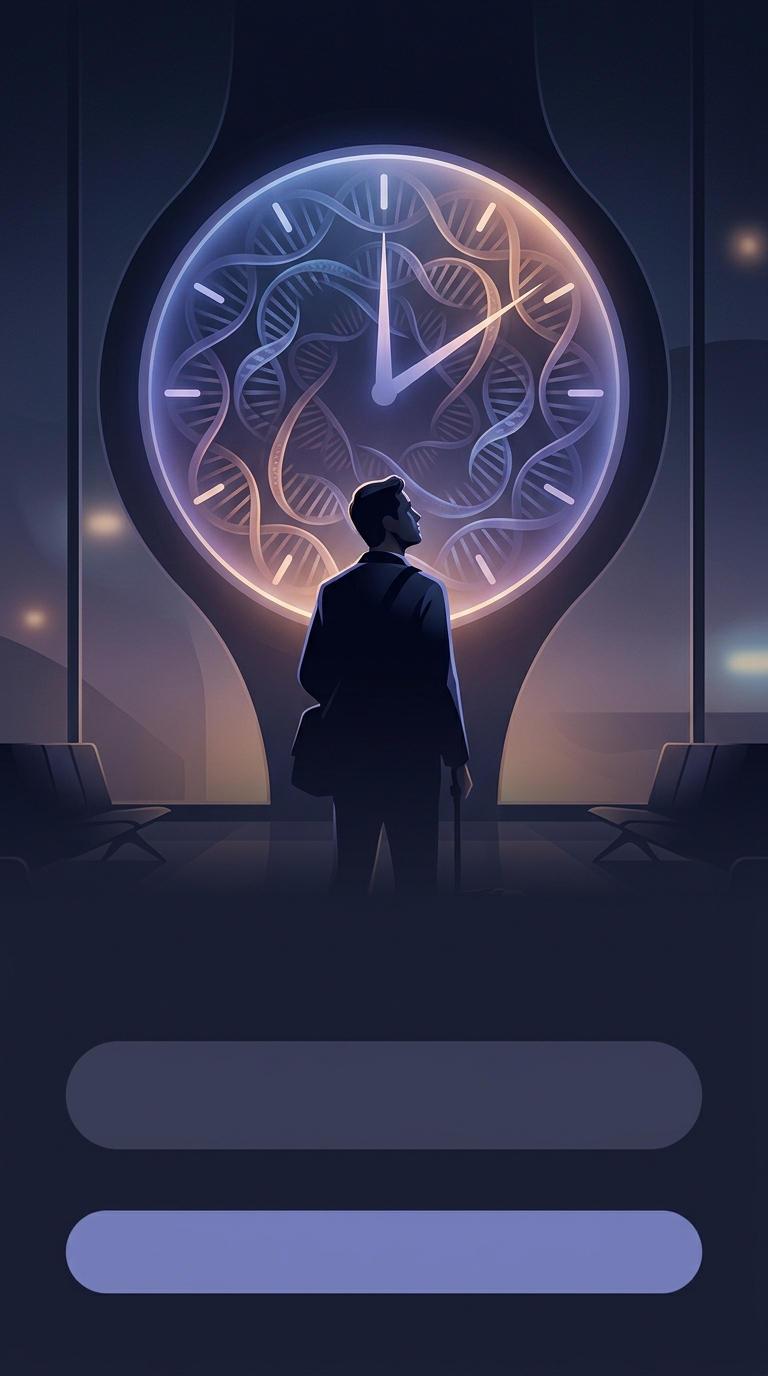
There is no reliable way to erase severe jet lag instantly. The body’s internal clock shifts over days, not minutes. But light at the right time can help move that clock in the direction of the destination—and mistimed light can push it the wrong way.
Light is the strongest everyday signal to the circadian system, the body’s roughly 24-hour timing mechanism. Morning light generally nudges the clock earlier; evening light generally nudges it later. Which one helps depends on whether the trip has left your body clock behind or ahead of local time.
Make the destination’s day your guide
After arriving, get outdoor light during the part of the local day that supports the needed shift, and keep nights dark enough for sleep. For example, a traveler whose body clock is still late after flying east may benefit from light earlier in the destination’s day. Someone returning west may need the opposite timing. The exact window varies with the route and sleep schedule, so “get as much sun as possible” is not a universal fix.
Keep meals and bedtime aligned with local time, too. That gives the body other cues that the day has changed, while a nap kept short can take the edge off without consuming the sleep pressure needed at night.
The practical payoff is not instant immunity to jet lag: it is helping the clock adjust while making the first day more manageable. The key is not simply more light, but light at the right local time.