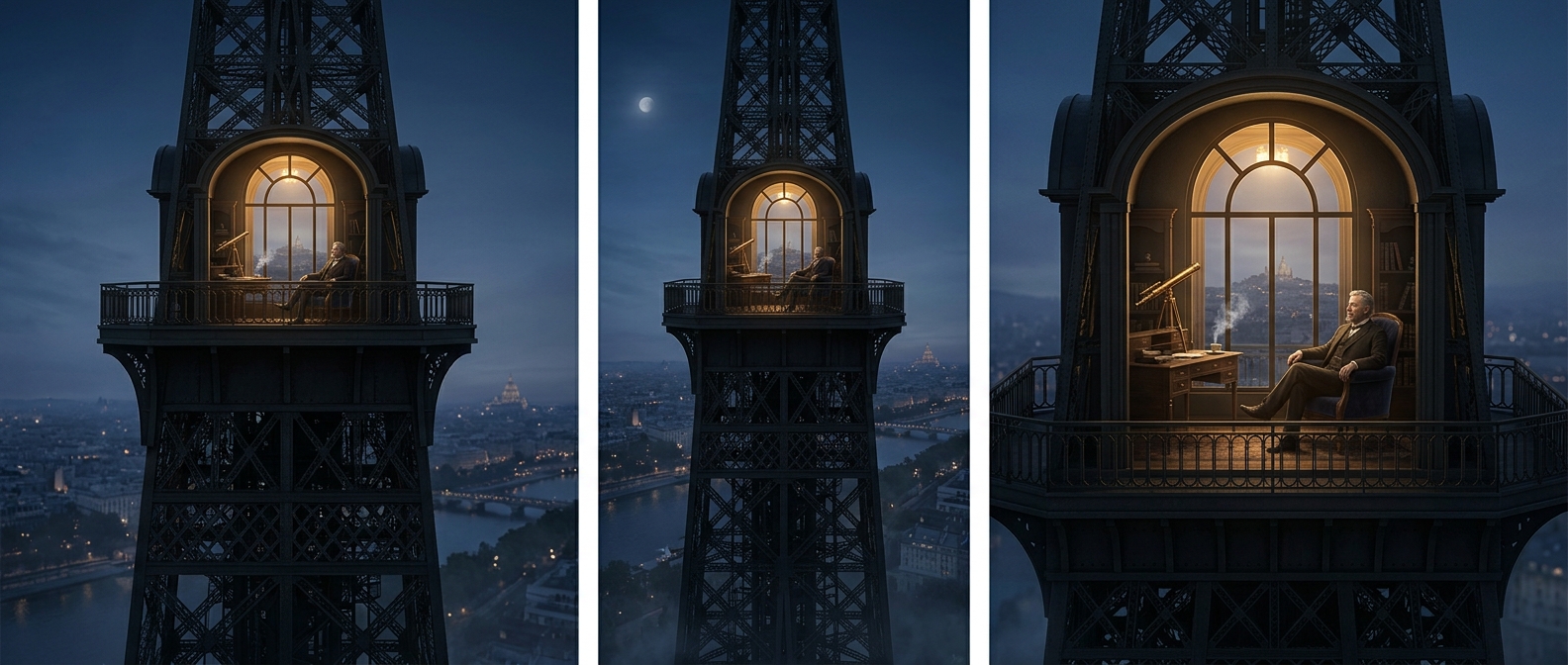
A private room above the Paris skyline
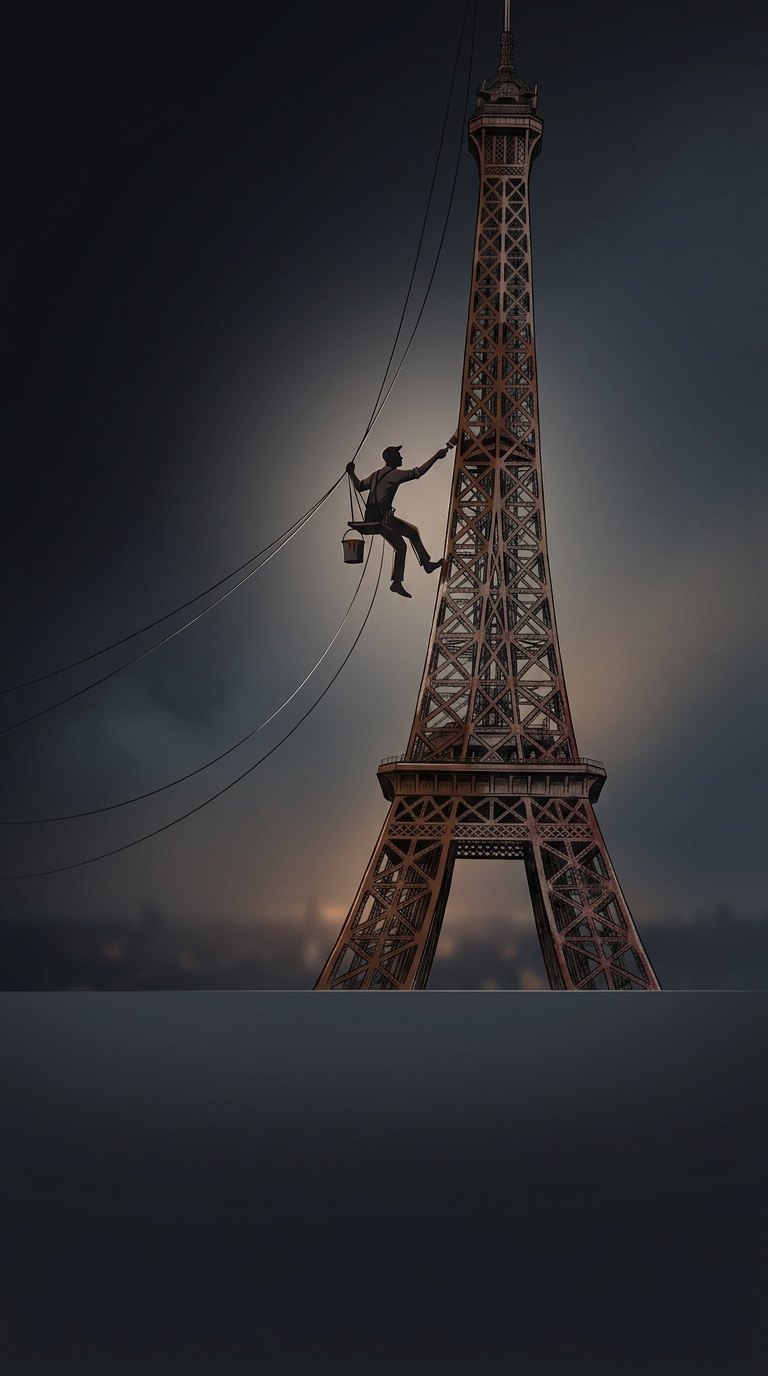
The apartment occupied part of the Eiffel Tower’s top level, where the structure narrowed and the city spread out far below. It was not a grand residence in the ordinary sense: the tower’s height, exposed position and limited space made it better suited to short visits than everyday life. Its unusual setting was part of its appeal—a private room inside a landmark that had quickly become a public spectacle.
More than a place to entertain
Eiffel’s private quarters also fit the tower’s early role as a working structure. He devoted space near the summit to scientific observation, including studies of weather and the movement of air. At that height, instruments could take measurements with less interference from streets and nearby buildings. The apartment and the research spaces made the tower feel less like a temporary monument and more like a place where people could work and experiment.
Eiffel’s refusal to turn the apartment into a rental helped preserve that private purpose. Hosting visitors there offered something money alone could not secure: access to an extraordinary vantage point, and a chance to see the tower as a working environment rather than merely a view. The apartment’s real luxury was its position—a quiet room perched above a city that had made the tower its newest attraction.