Why the End of the World Takes Center Stage
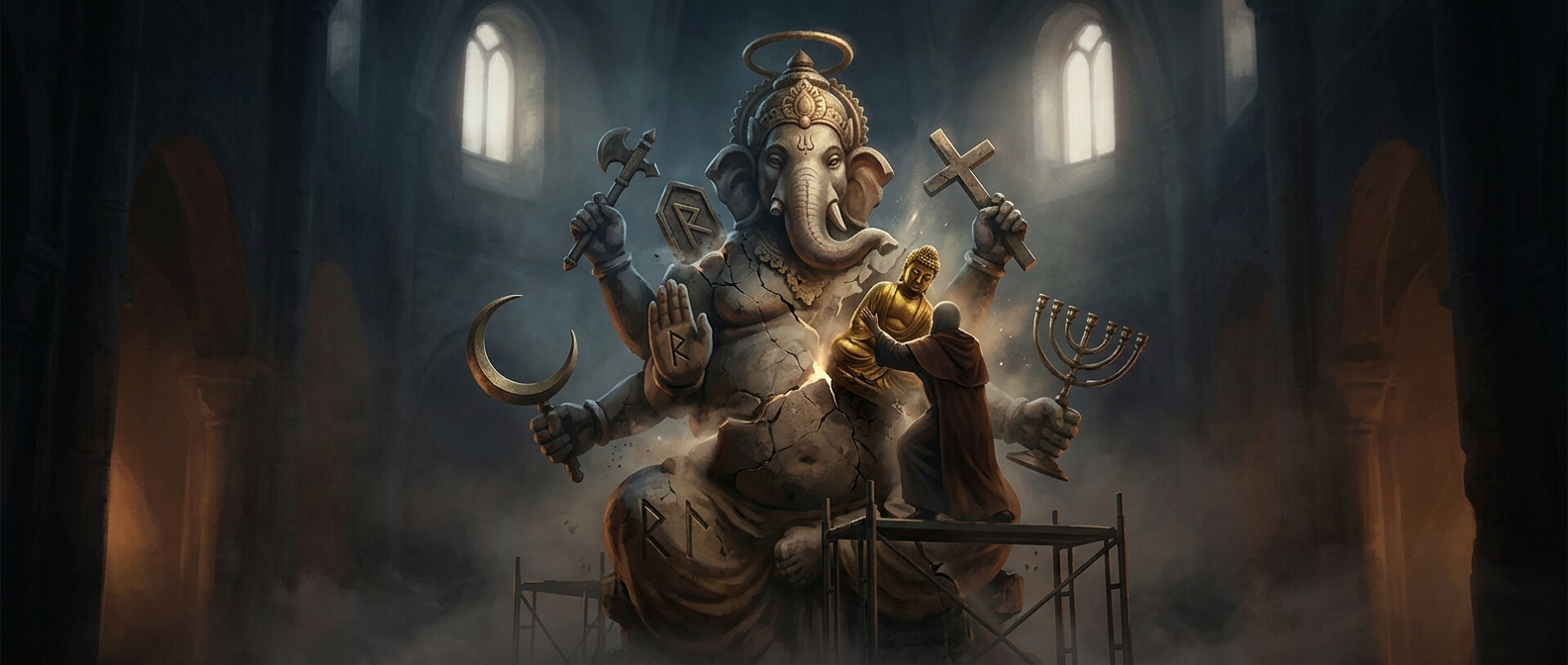
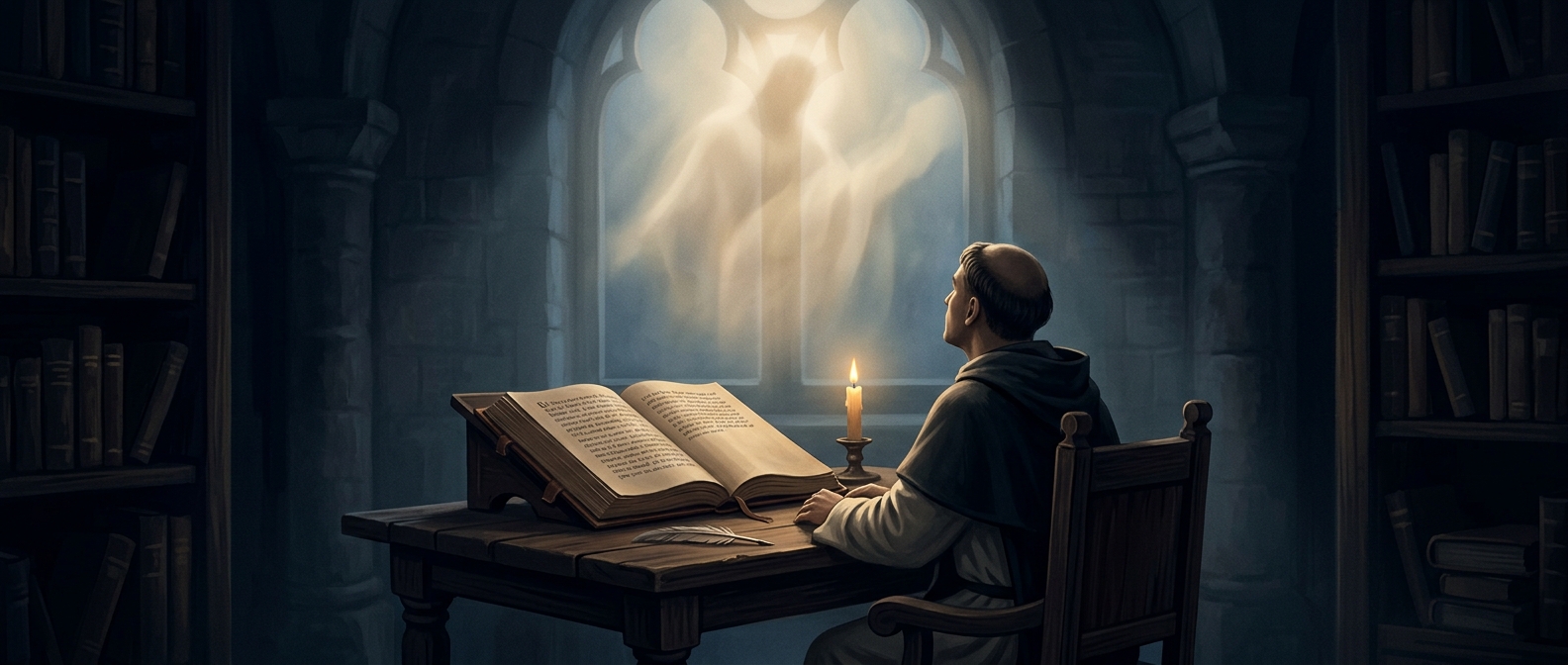
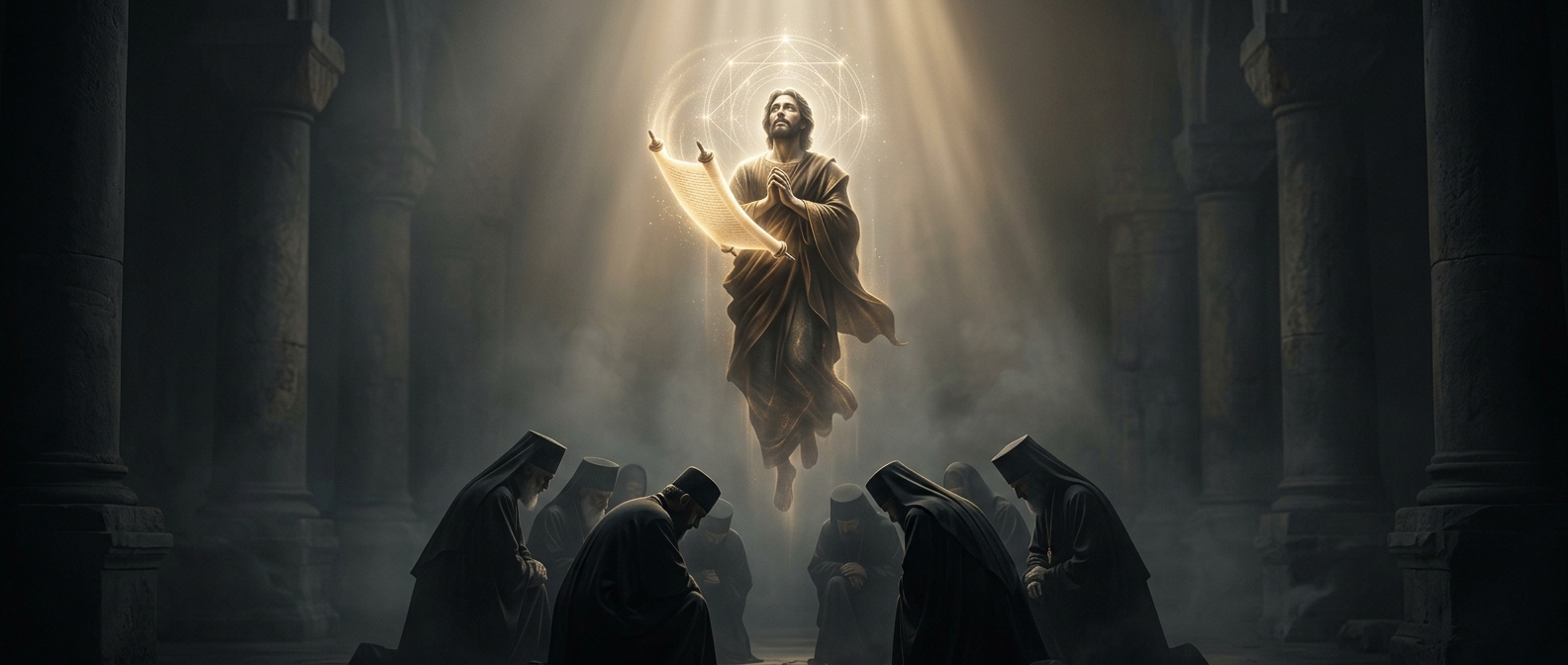
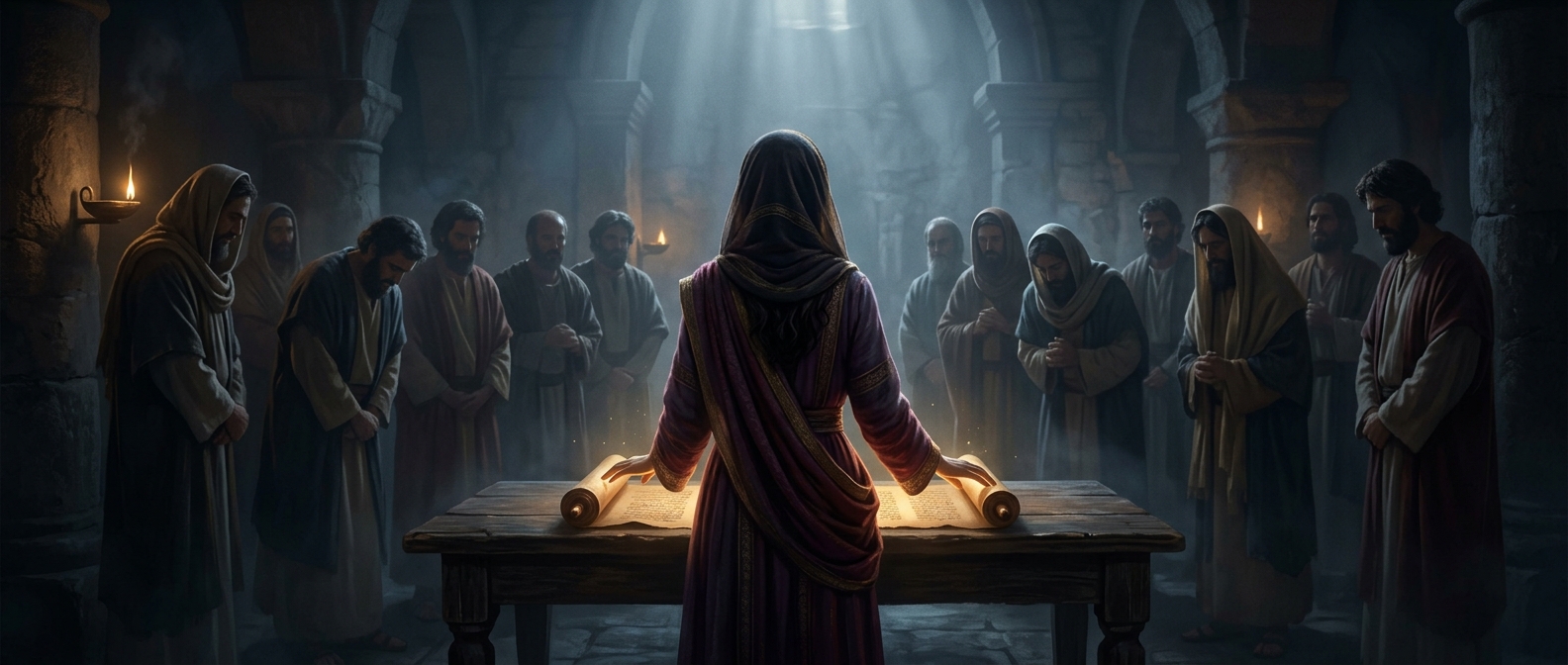
Apocalyptic mysticism turns attention toward a decisive break in ordinary history: the world as people know it will be judged, overturned, or brought to an end. The word apocalypse originally means an unveiling—a disclosure of what is hidden. In this kind of vision, catastrophe is not merely disaster; it reveals a final truth about the world and its moral order.
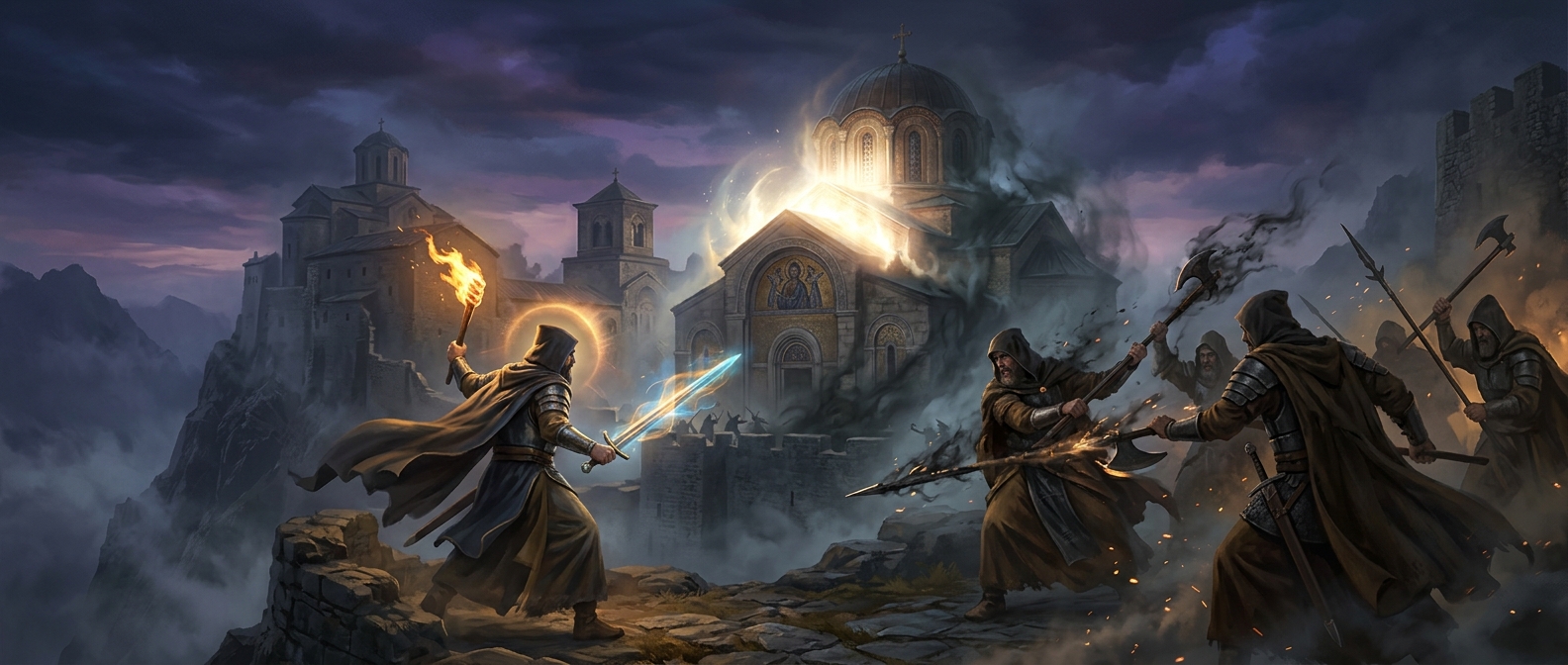
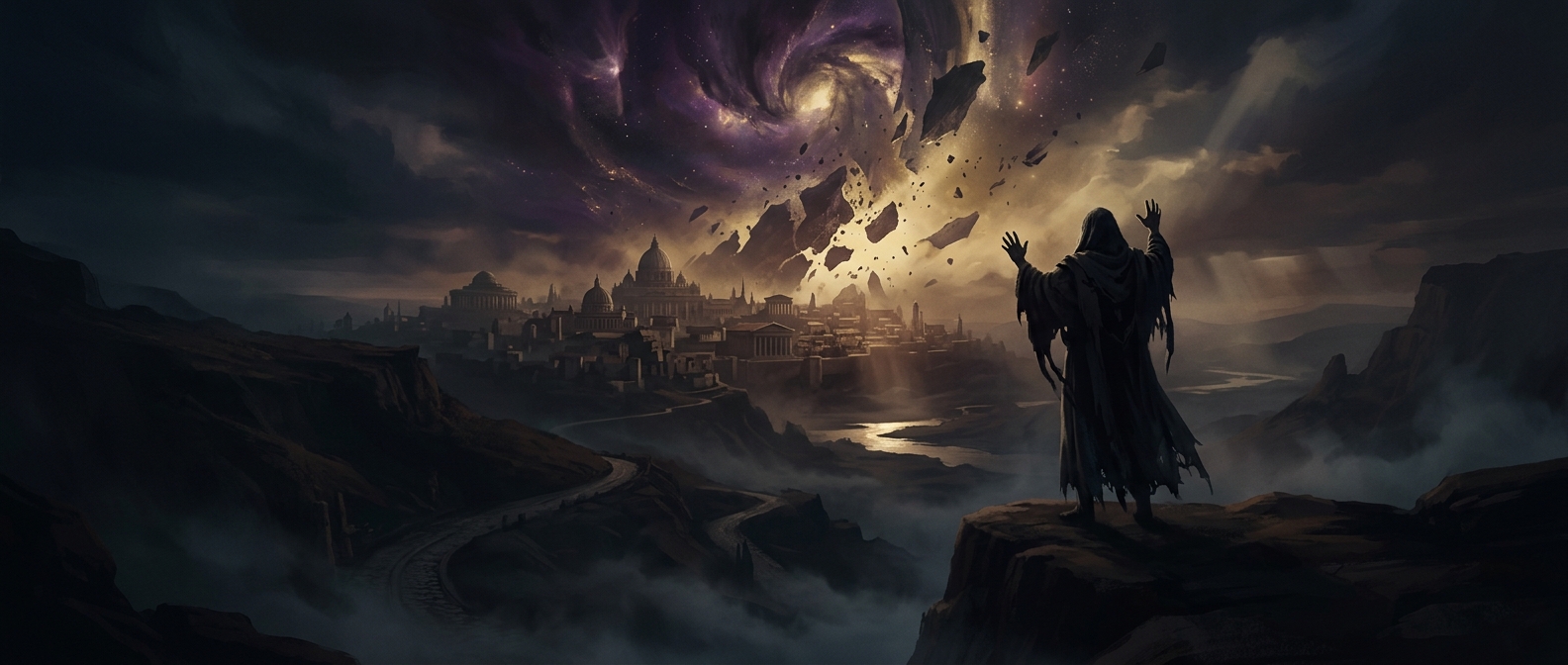
That is why its imagery is so dramatic. Beasts can represent forces of chaos or oppression, while falling stars and other disturbances show that even the heavens are caught up in the crisis. Such images make the upheaval feel larger than any one person or political event: the whole structure of existence appears to be at stake.
Destruction as a Promise of Resolution
The ending is also a judgment. It separates what is just from what is corrupt and brings concealed wrongdoing into view. For believers facing suffering or disorder, that expectation can make present events seem temporary rather than final: power will not remain unchecked forever.
In many apocalyptic visions, destruction therefore points beyond itself. The collapse of the existing world order may clear the way for renewal, justice, or a transformed reality. The central hope is not simply that the world will end, but that its apparent injustice will not have the last word. That combination—cosmic ruin followed by ultimate reckoning—is what makes the end itself the focus.