A Movie Bone Break Is Usually Built, Not Captured
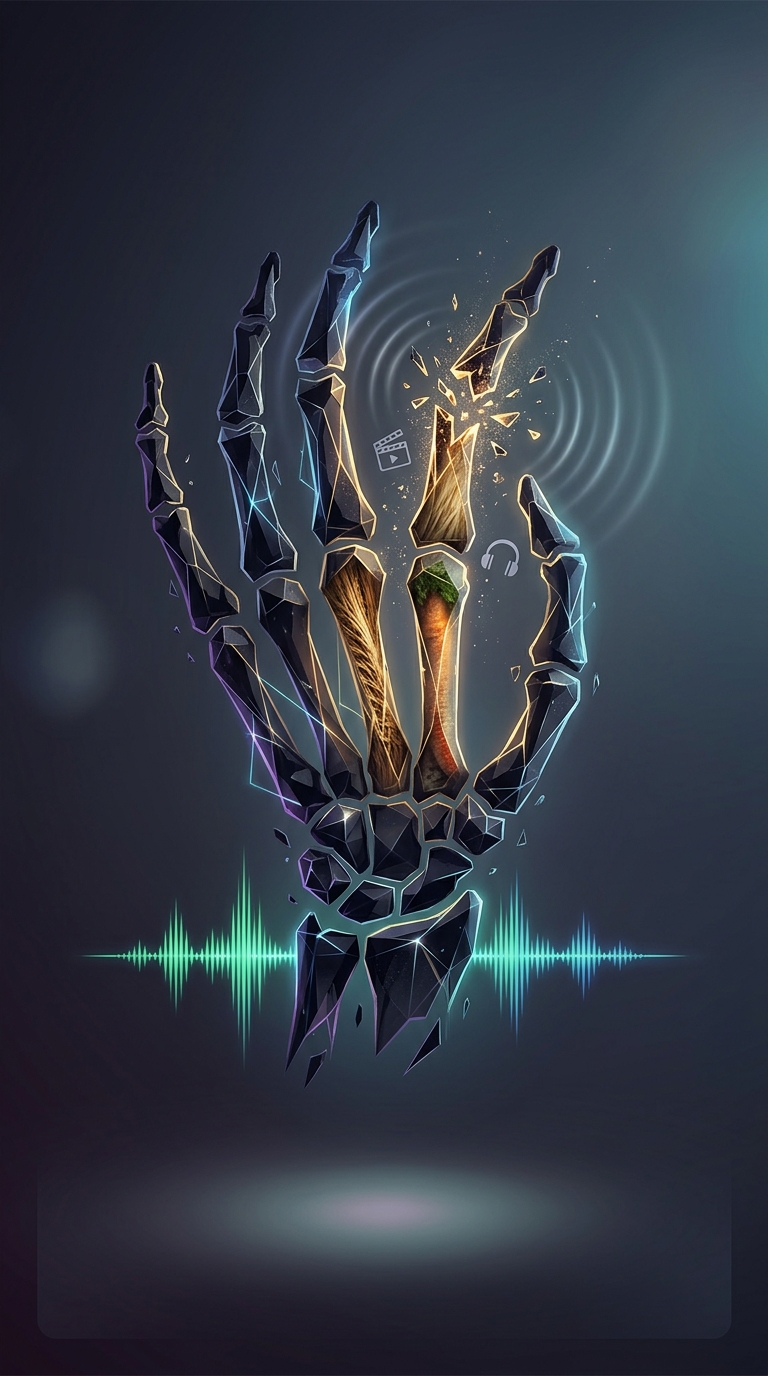
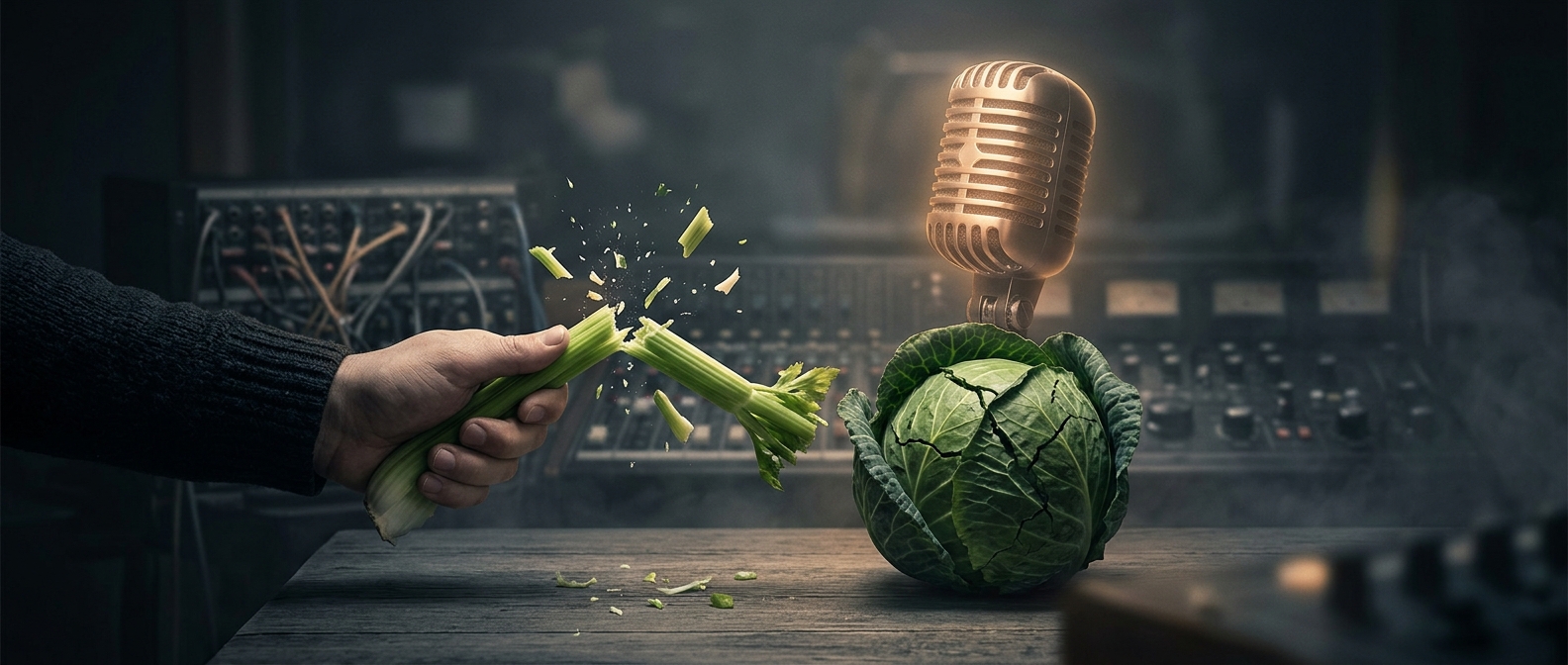
That sharp, wet crunch is often a foley effect: a sound made or performed specifically to fit a scene. Foley artists may snap or crush materials such as celery, carrots, or other brittle objects, then record the sound close up. Different materials produce different textures—one gives a crisp crack, another a softer crunch—so the artist can choose what suits the moment.
The sound is rarely a literal recording of a bone breaking. Real fractures do not reliably produce the huge, clean crunches that movie audiences recognize, and recording one would be difficult. A practical prop offers control: it can be broken on cue, again and again, with the microphone placed to capture the desired impact.
Why One Break Can Sound So Big
A finished effect may combine several sounds. A dry snap can suggest the break itself; a squish or scrape can make it feel more bodily. The editor can layer those recordings, adjust their volume, and sync them to the actor’s movement. The result is designed for the scene, not as a medical demonstration.
That timing matters as much as the material. If the crack lands exactly when a character is struck or falls, the audience connects the sound to the action and feels its force. The convincing part is the match between sound and movement—not whether the recording came from an actual bone.