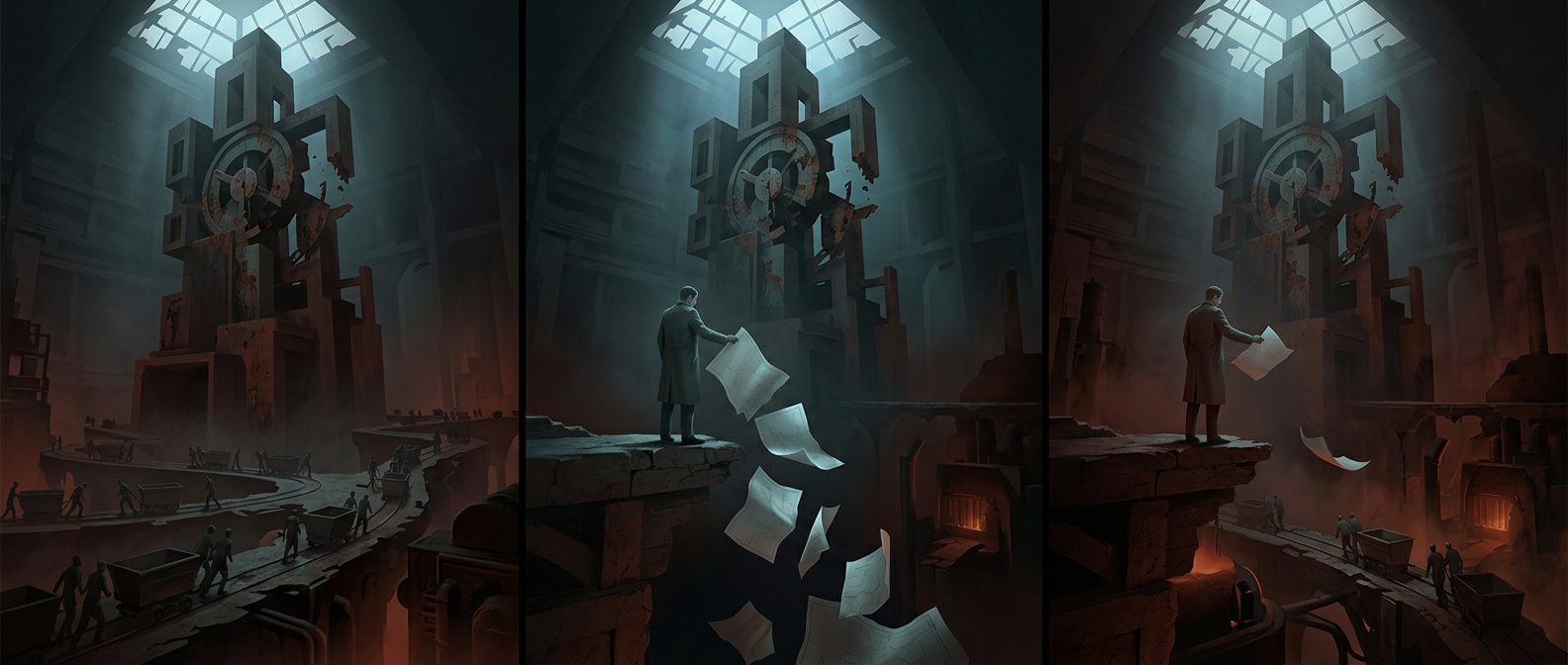
Why two rivals may behave alike
A duopoly is a market dominated by two sellers. Each may have a different brand, but shoppers’ practical choices can still be narrow—especially when both companies face similar costs and customers can readily compare prices. If one cuts its price, the other risks losing buyers; if both keep prices high, neither has much reason to start a price war.
That does not require a secret agreement. Each company can make its decision while anticipating how its rival is likely to respond. When matching a discount is easy and undercutting it would squeeze both firms’ margins, prices may settle into a pattern that looks similar across the two sellers.
The choices that matter beyond the logos
Competition is not just a count of brands. It also depends on whether customers can switch easily, whether new sellers can enter, and whether the products are genuinely different. A second seller offers less protection when switching is costly, the alternatives are close substitutes, or starting a competing business requires substantial investment or access to distribution.
Those limits can soften pressure to improve prices or service. The two companies still compete, but shoppers may find that neither offers a meaningfully better deal—and that there is no accessible third option to turn to. If the firms compete vigorously on features, quality, or price, however, a two-seller market can still give customers real alternatives.
Why the market structure matters
A pair of prominent brands can therefore create the appearance of choice without guaranteeing much bargaining power for buyers. The key question is not simply whether two companies exist; it is whether either can win customers by offering something the other cannot quickly match, and whether another seller could plausibly enter. When both answers are no, two logos may amount to little more than one practical option.