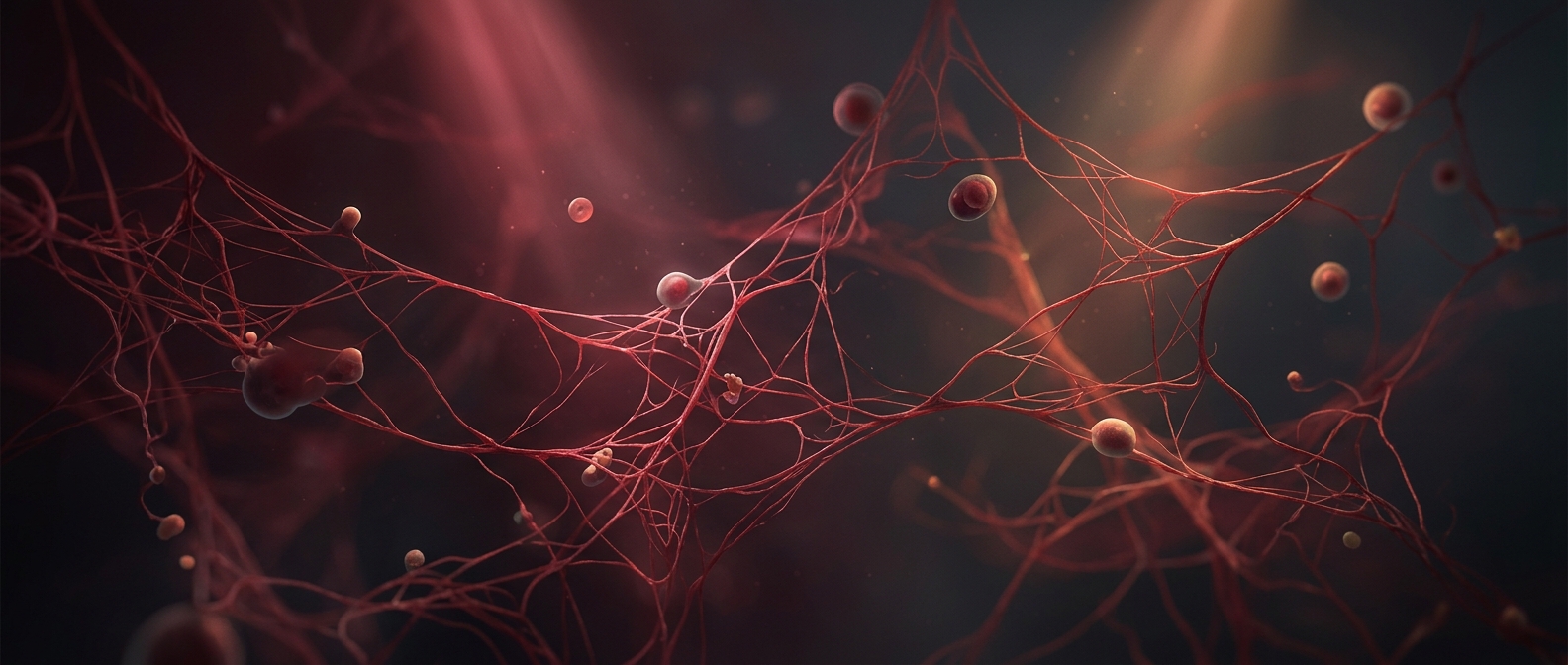
How particles can reach the blood
Microplastics are fragments or fibers shed as larger plastic items wear down. People can take them in by swallowing or breathing them. Most particles encountered this way do not automatically enter the bloodstream: they must pass through the gut lining or the thin barriers in the lungs. Whether that happens depends in part on particle size and other properties, and researchers are still working out how often it occurs.
Where they go next
Once in blood, particles are carried with the flow rather than moving under their own power. Some may leave the circulation by crossing into tissues; others may be trapped or processed by organs that filter blood. The body’s immune cells can also respond to foreign material, but a response to plastic particles is not the same as proof of injury. What happens may vary with a particle’s size, shape, surface, and chemical makeup.
There is no single known route by which all particles are removed. Their movement and persistence inside people remain difficult to track, so finding particles in a blood sample does not reveal how long they stay or where each one ultimately ends up.
What detection does—and does not—tell us
A measured presence is an exposure finding, not a diagnosis. It does not by itself establish that particles cause disease, or identify a dose that would be harmful. To answer those questions, researchers need to connect the amount and type of particles people encounter with where particles go in the body and with health outcomes over time.
The important unresolved question is therefore not simply whether a fragment can enter blood, but whether it persists, accumulates, or triggers effects at real-world exposure levels.