Why blood belongs to connective tissue
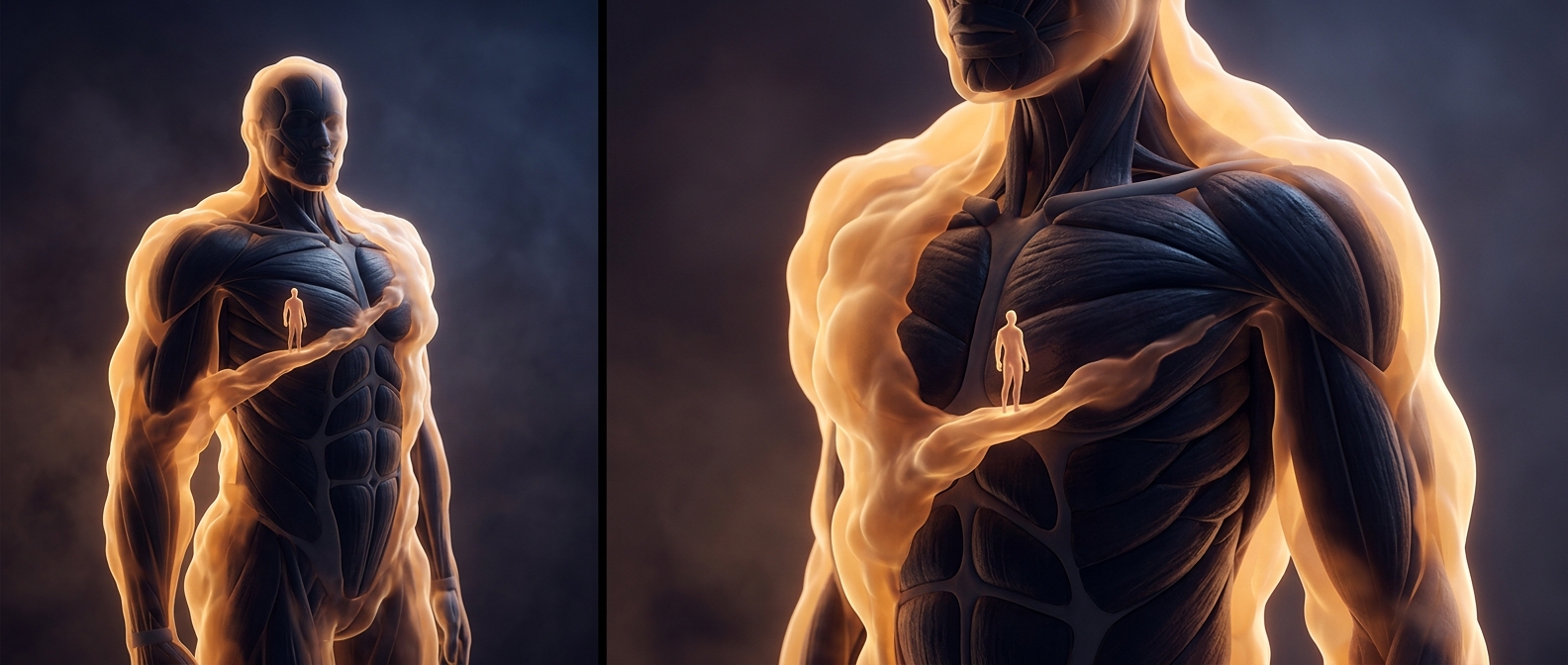
Connective tissues are grouped by what they do and how they are built: their cells are dispersed through material outside the cells, rather than packed together into a continuous sheet. In bone that material is hardened; in cartilage it is springy. In blood, it stays liquid, so the cells can travel.
That difference changes the tissue’s job. Red blood cells carry oxygen, white blood cells help defend against infection, and platelets help seal damaged vessels. Plasma—the fluid matrix—moves these components through branching blood vessels and also transports dissolved nutrients, hormones, waste products, and proteins. Blood can therefore connect distant organs by delivering materials and linking their activities, even though it does not physically bind them together.
A matrix that can change state
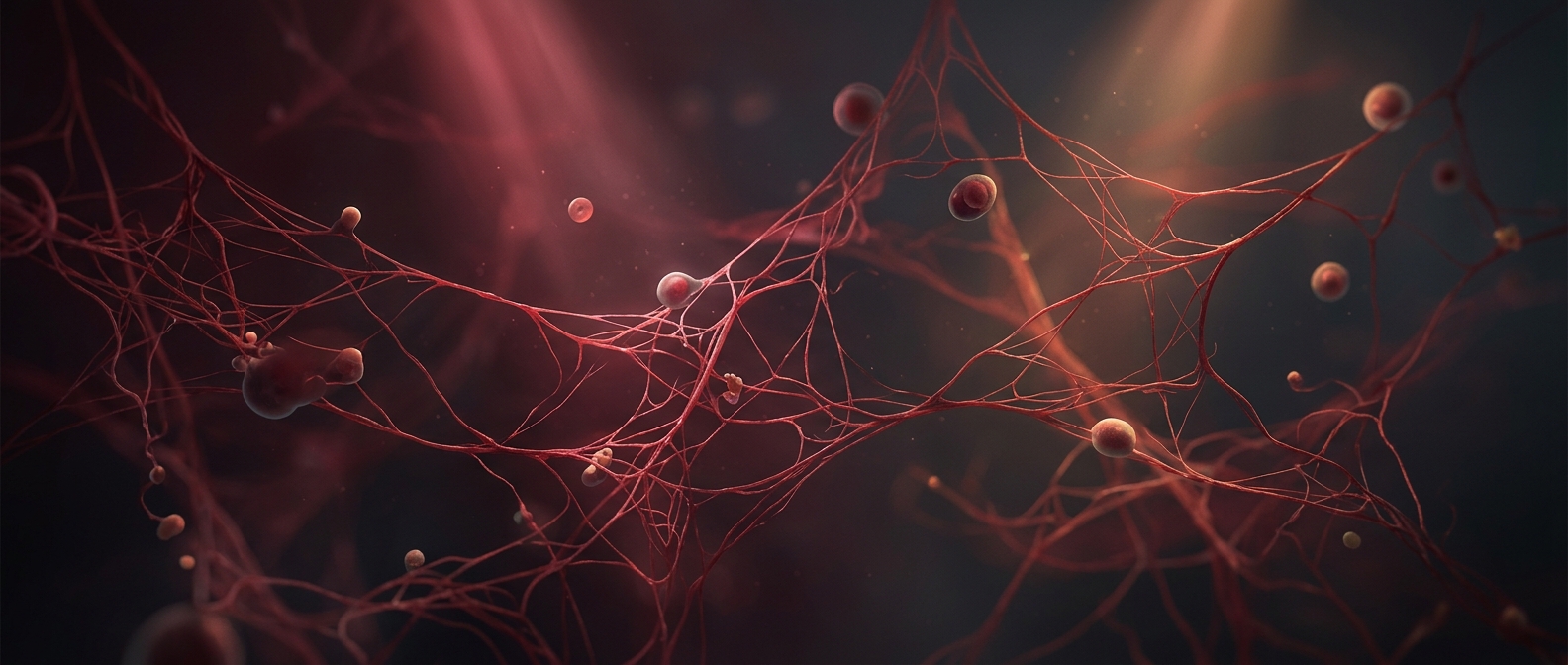
Plasma is mostly water, but it also contains proteins and dissolved substances. Some plasma proteins take part in coagulation, the process that forms a clot. When a vessel is injured, clotting proteins help build a mesh that traps blood cells and plugs the break. The normally flowing matrix can thus become part of a temporary seal.
This is why blood is not an exception to connective tissue so much as a striking variation on it: its matrix is mobile during circulation, yet can help hold a wound closed when needed. The same tissue that carries oxygen to a fingertip can also help stop that fingertip from bleeding.