Why the Groin Has a Built-In Passage
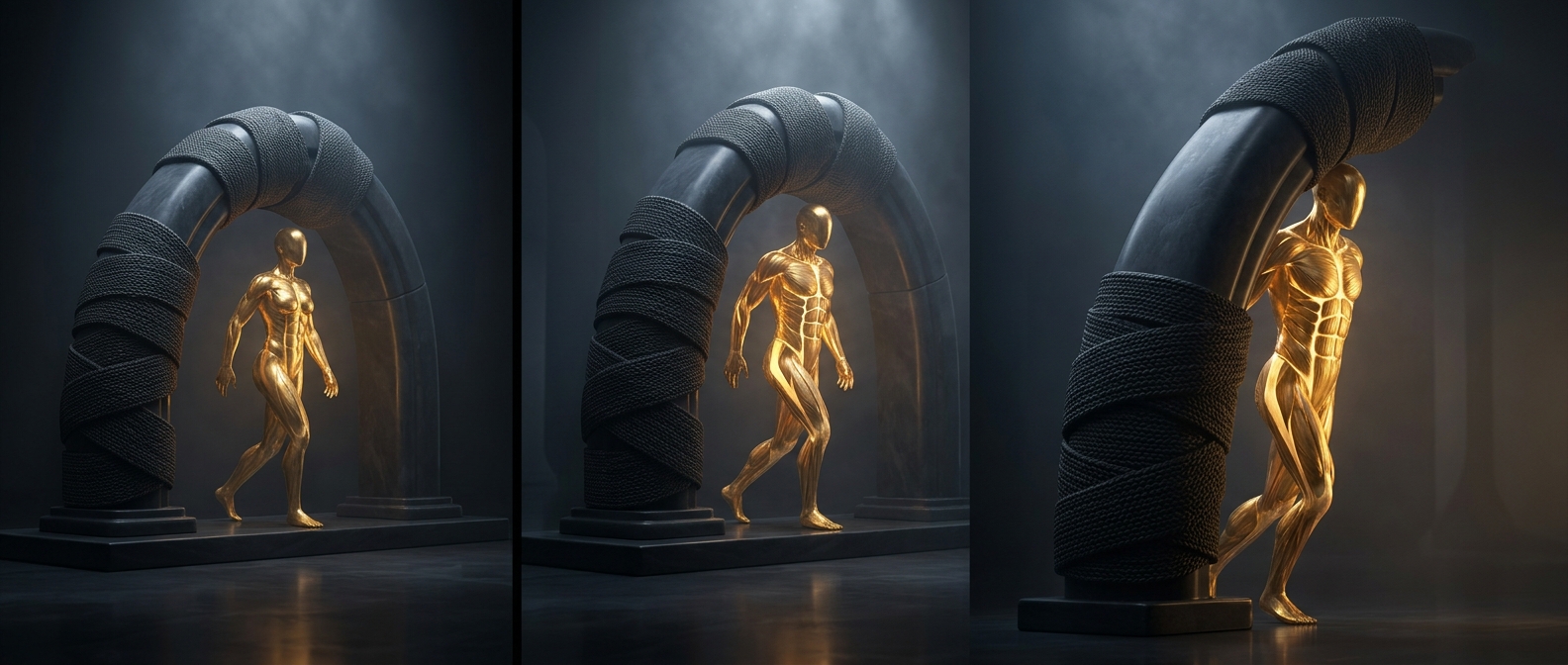
The lower abdominal wall is made of layers of muscle and connective tissue, but it is not a seamless sheet. The inguinal canal is a short, slanting route through those layers. In men, it carries the spermatic cord—the bundle of vessels and other structures serving the testicle. In women, it carries a ligament that helps support the uterus. The canal is a normal part of the body's layout, not a defect by itself.
How a Hernia Forms
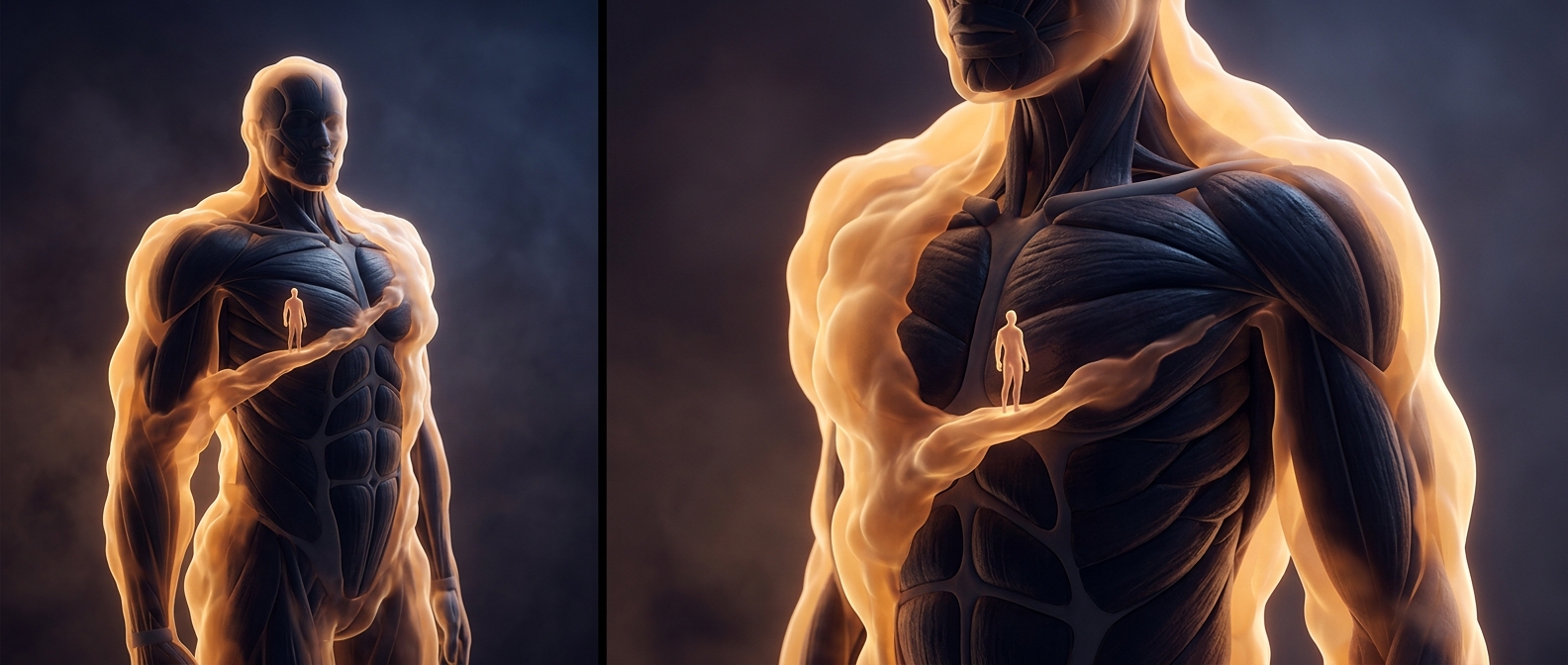
A hernia develops when tissue from inside the abdomen pushes through a vulnerable spot in the wall. The tissue may be fatty tissue or part of the intestine. The canal's openings and surrounding layers make this region less resistant than an uninterrupted area of muscle, so a gap can gradually widen or give way.
Straining, heavy lifting, coughing, or other actions that raise pressure inside the abdomen can push against that weak point. Pressure is often the trigger that makes a hernia noticeable, rather than the whole explanation: the wall must also be vulnerable enough for tissue to pass through. A bulge may appear in the groin and become more prominent when standing or straining, then lessen when lying down.
Why the Bulge Matters
The key issue is not simply that tissue has moved, but whether it can slip back and whether its blood supply remains safe. In some hernias, the bulge can become trapped outside the abdominal wall; rarely, the trapped tissue can lose its blood supply, making the problem urgent. That is why a small passage with an ordinary anatomical purpose can matter: its design creates a route, and a weakened wall can turn that route into an exit.