A small region with several openings
The perineum is more than a narrow strip of skin. It is the area at the bottom of the pelvis, extending from the pubic bone at the front to the tailbone at the back. Its layout differs by anatomy: in people with a vulva, the urethral and vaginal openings lie between the pubic bone and anus; in people with a penis, the scrotum lies between the penis and anus, while the urethra runs through the penis. The anus is the digestive tract’s exit in both.
That arrangement puts openings for different body systems close together, but each has its own passage and function. The perineum is the surface region around them, not a shared channel.
The support beneath the surface
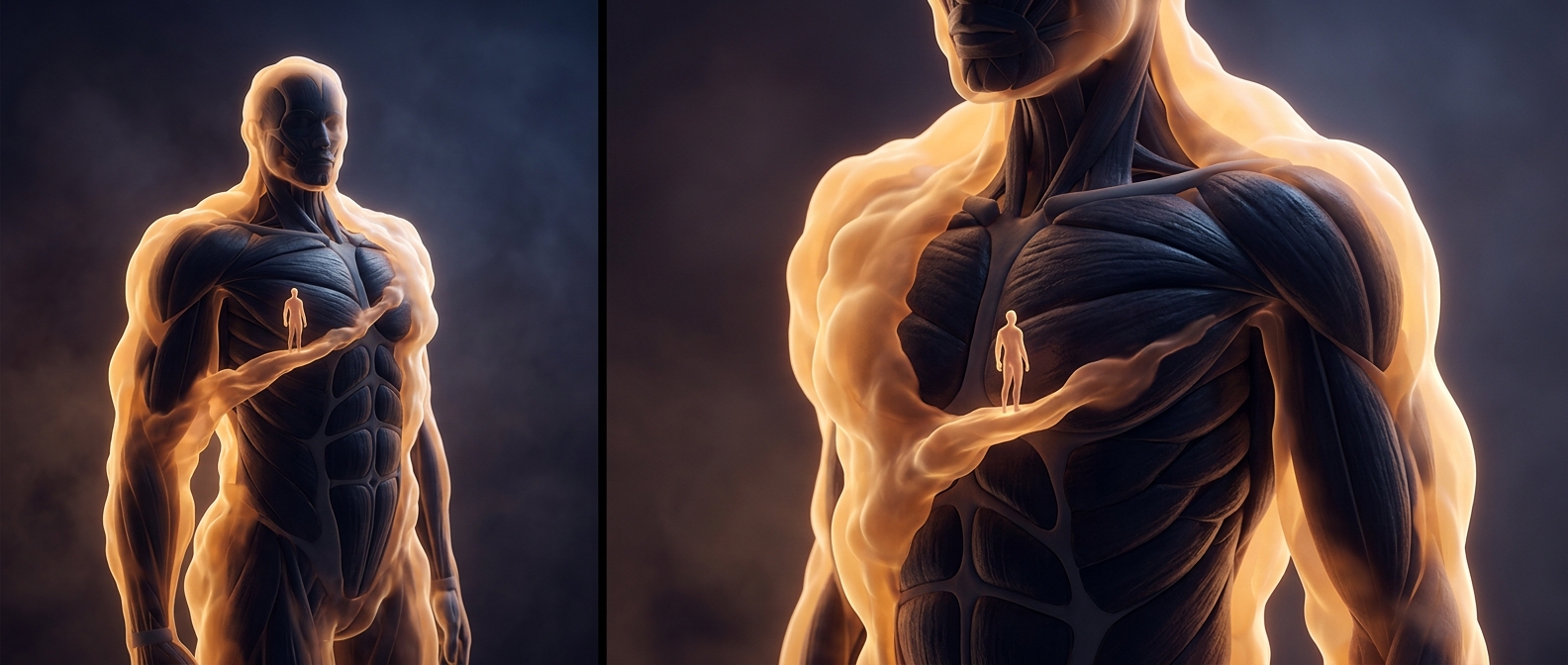
Under the skin, muscles and connective tissue form part of the pelvic floor, the support structure that helps hold pelvic organs in place and contributes to controlling urination and bowel movements. A particularly important central junction, called the perineal body, anchors several of these tissues. In people with a vagina, it lies between the vaginal opening and anus; in people with a penis, between the scrotum and anus.
Because this tissue is both a passageway and a support point, it can be affected by childbirth, injury, or surgery. During vaginal birth, the perineum stretches to make room for the baby; sometimes it tears, and clinicians may make a deliberate incision, called an episiotomy, in specific circumstances. The region’s compact anatomy helps explain why a small area can matter to both pelvic support and recovery.