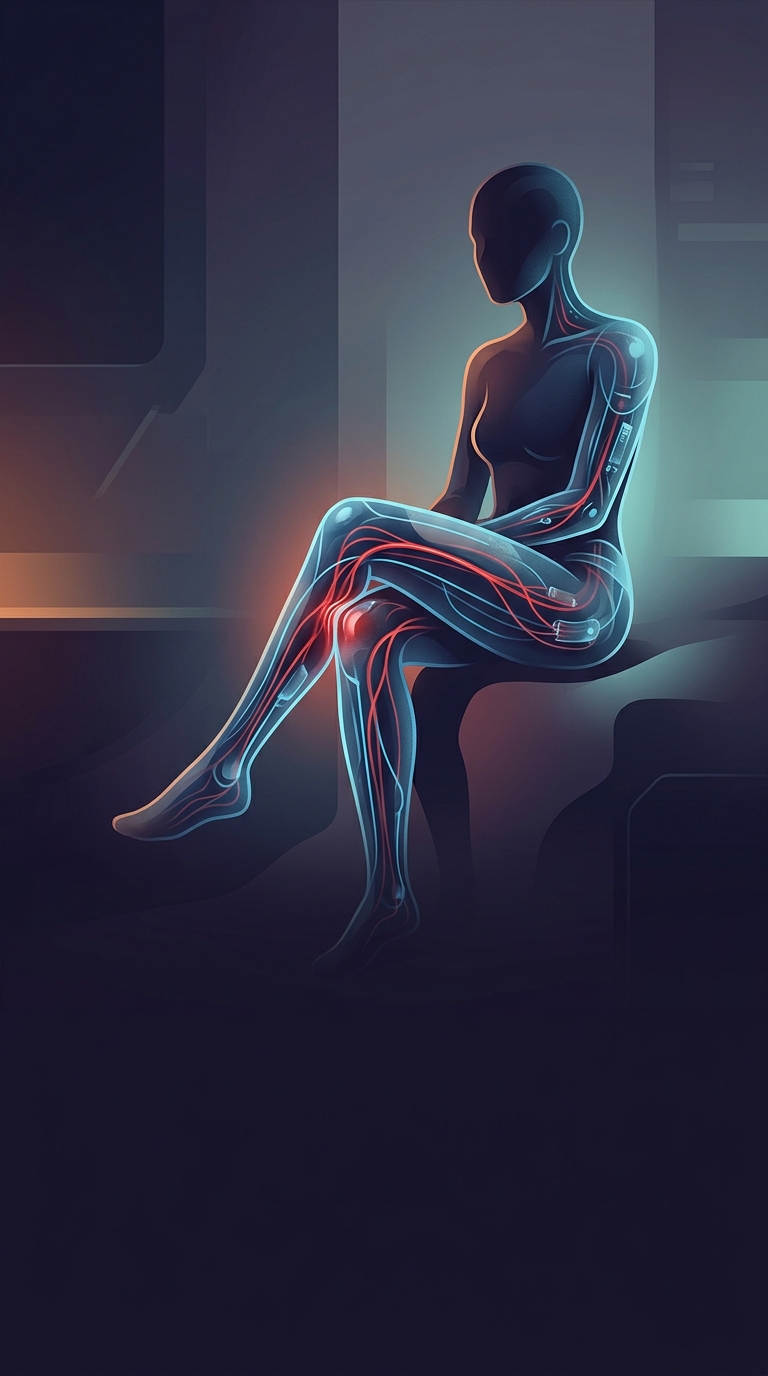
Crossed legs can briefly nudge blood pressure upward
When you cross one leg over the other, the posture can cause a small, temporary rise in blood pressure. It is not a sudden change in your blood type or a shutdown of circulation. The shift comes from how the position affects blood flow and the effort your body uses to hold the pose.
Crossing at the knees can press on blood vessels in the legs and alter how blood returns toward the heart. At the same time, keeping the legs crossed may recruit muscles to stabilize the position. Those changes can prompt a modest adjustment in the heart and blood vessels, temporarily raising the pressure measured in the arteries.
Why it matters during a blood-pressure check
The effect usually fades after you uncross your legs and settle into a neutral sitting position. But even a brief posture change can affect a reading, which is why proper measurement calls for feet flat on the floor, legs uncrossed, and the body supported. If your legs are crossed while the cuff is taking a reading, the result may be slightly higher than it would be in the recommended position.
For most people, crossing the legs now and then is not a cause for alarm. The practical takeaway is simple: uncross them when accuracy matters, especially during a blood-pressure measurement.