Why a Posture Correction Fades
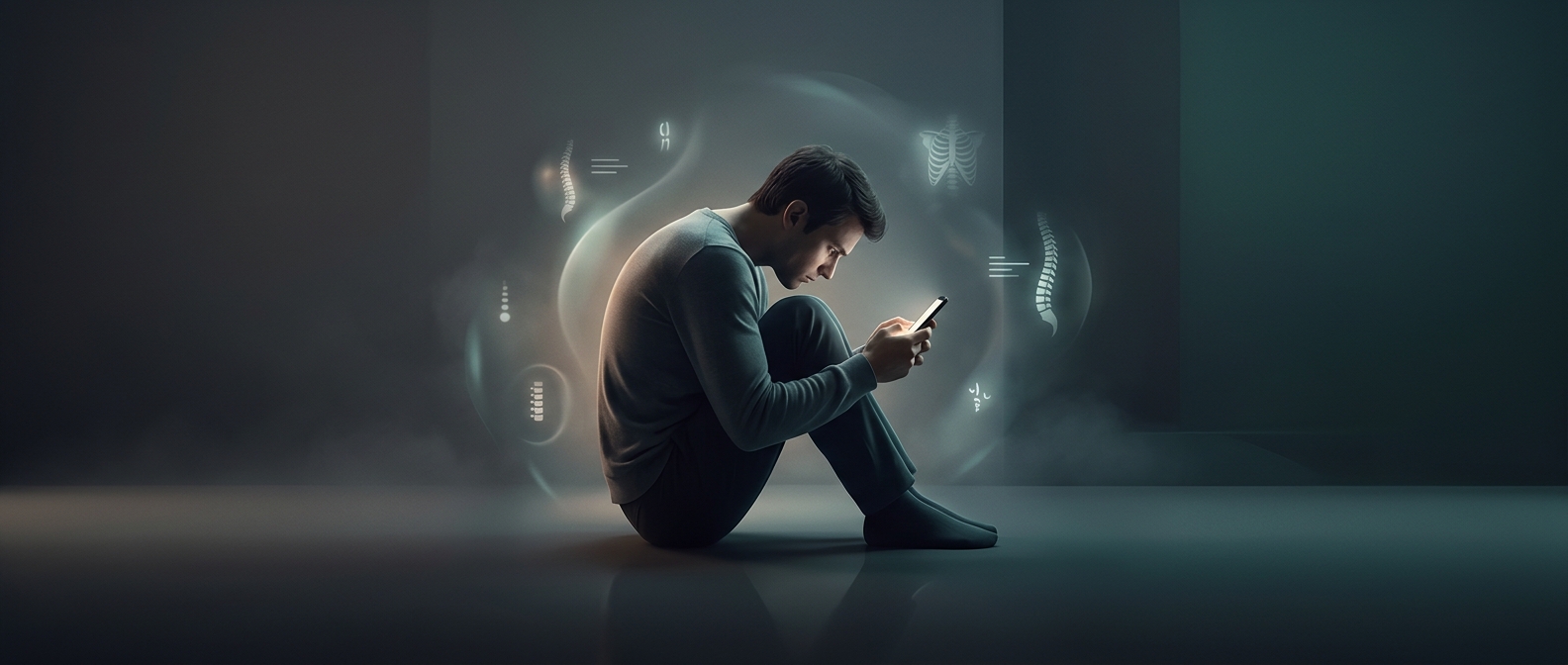
Straightening up takes a deliberate effort: you notice your position, adjust your trunk and shoulders, and keep monitoring them. But posture is not usually managed as a continuous conscious task. Once attention shifts to a conversation, screen, or other activity, the body returns to movements and positions it can maintain with less effort.
That return is not a switch being flipped. The nervous system continually uses signals from muscles and joints, along with vision and balance, to coordinate movement. Conscious attention can temporarily change how you hold yourself, but it does not instantly replace the familiar patterns built through repeated daily sitting and standing. If the corrected position feels tiring or unfamiliar, those patterns have an advantage as soon as you stop checking.
There Is No Single Pose to Hold
“Good posture” is often pictured as one rigid, upright shape. In practice, bodies move, and no one position is comfortable or suitable for every task. Holding any position for a long time can become uncomfortable; shifting position is part of normal movement. The useful goal is less about freezing yourself in a supposedly perfect pose and more about finding a comfortable setup you can sustain and changing position when needed.
That is why a reminder alone tends to have a short life: it asks attention to do all the work. Adjusting a chair or screen, taking movement breaks, or using a cue that recurs can make a change easier to maintain. The lasting fix is often not trying harder to sit straight, but making the next comfortable position easier to reach.