Why posture slips out of awareness
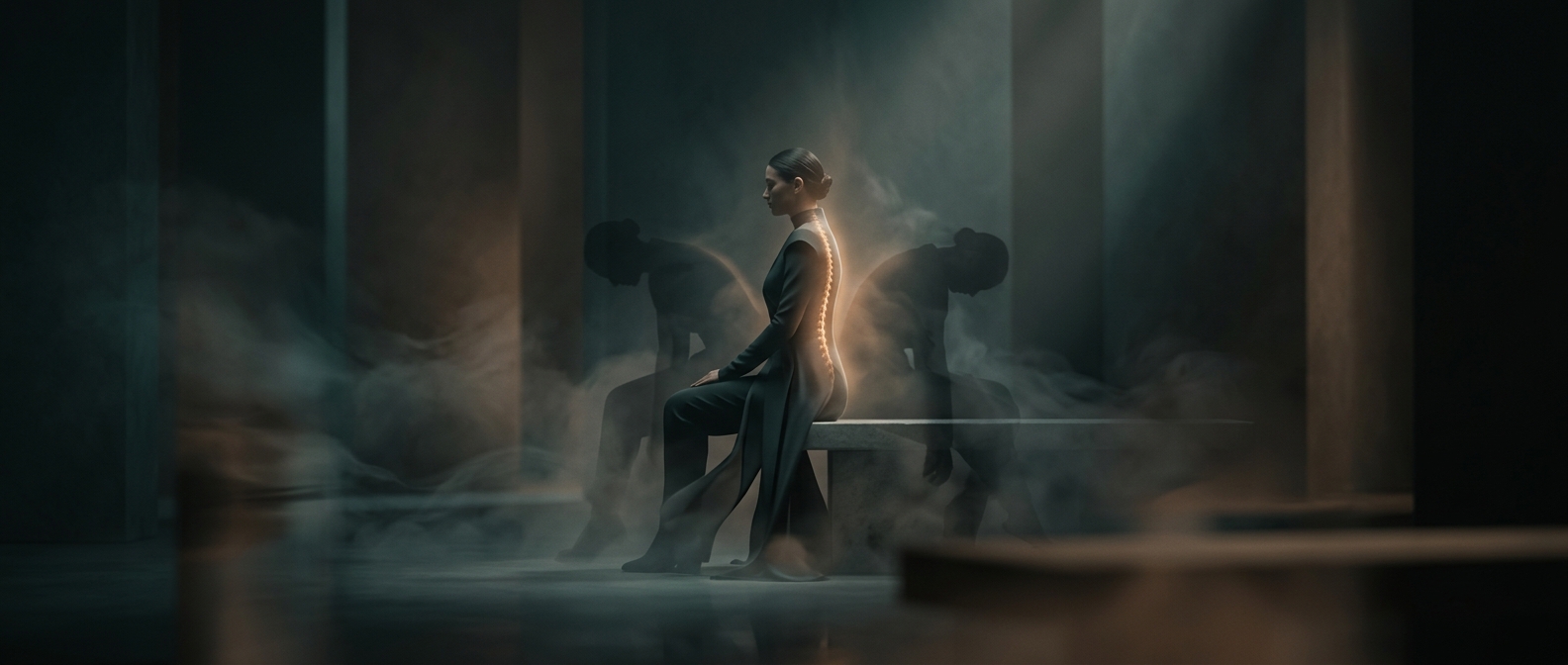
Reading is an active task: your eyes follow lines, your attention tracks meaning, and your hands turn pages or scroll. Sitting, by contrast, often runs in the background. Once you settle into a familiar position, the brain does not need to reconsider every small shift in your shoulders, pelvis, or head. That makes it easy to absorb advice about posture without noticing that your body has not moved.
The mismatch is not simply a failure of willpower. Habits are efficient precisely because they require little conscious attention. A slouched position may feel natural because it is familiar, while a more upright position can feel like something you have to remember to do.
Knowing is not the same as changing
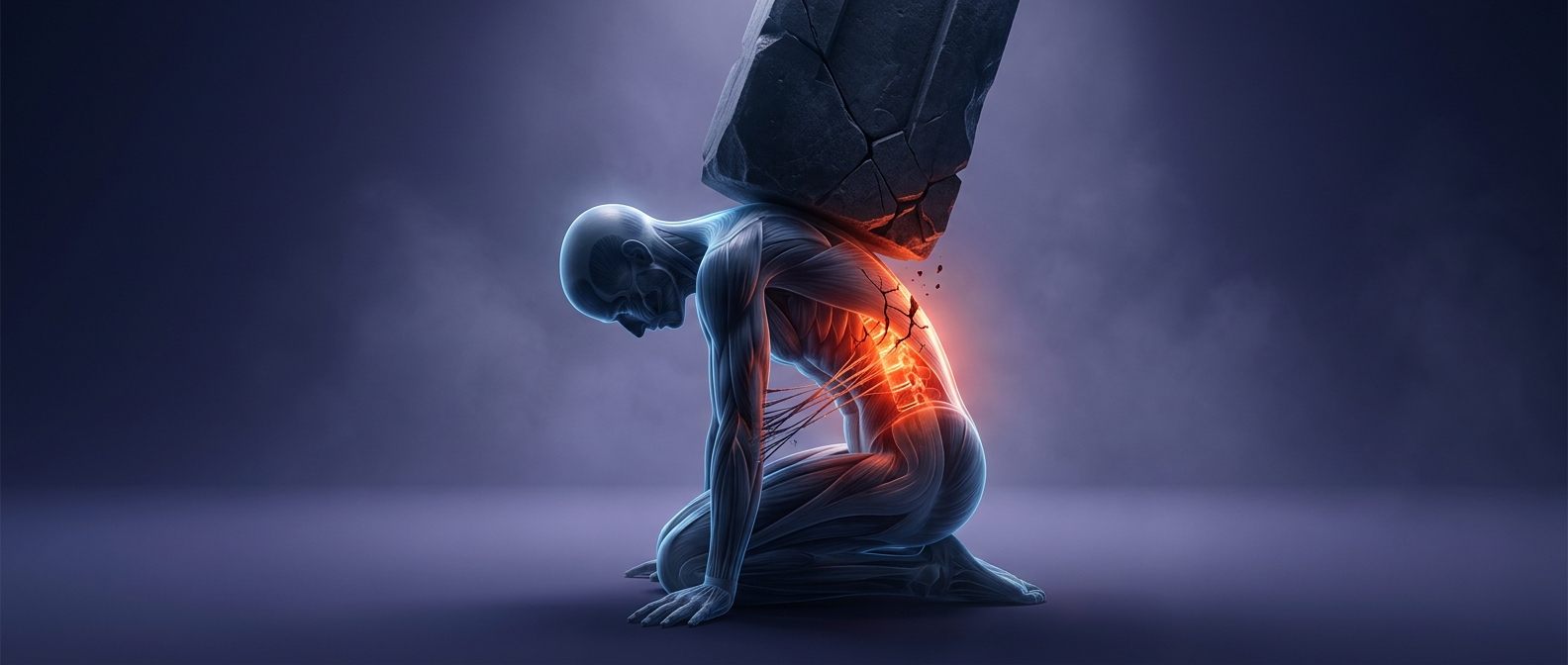
Posture also changes over time. Muscles tire, attention wanders, and people shift to find a comfortable position. A single instruction—“sit up straight”—does not tell you when to check in again or what adjustment would feel sustainable. Trying to hold one rigid pose can become uncomfortable, too.
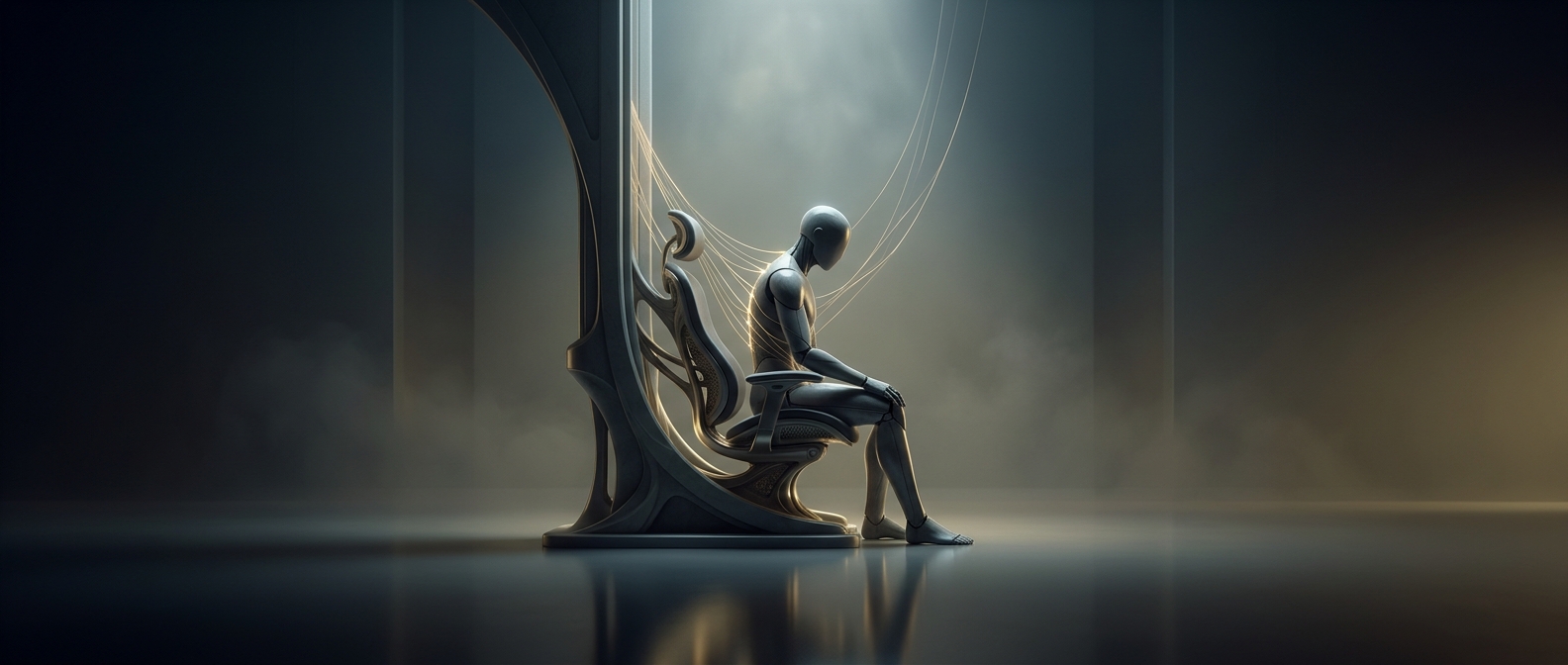
A more useful approach is to treat posture as something to vary and notice, not a position to lock in. A cue tied to an existing routine—such as pausing when you reach the end of a page—can bring an automatic habit back into awareness. The small lesson is that information may tell you what to change, but a timely cue is what can help you catch yourself doing it.