How posture changes the outline of your body
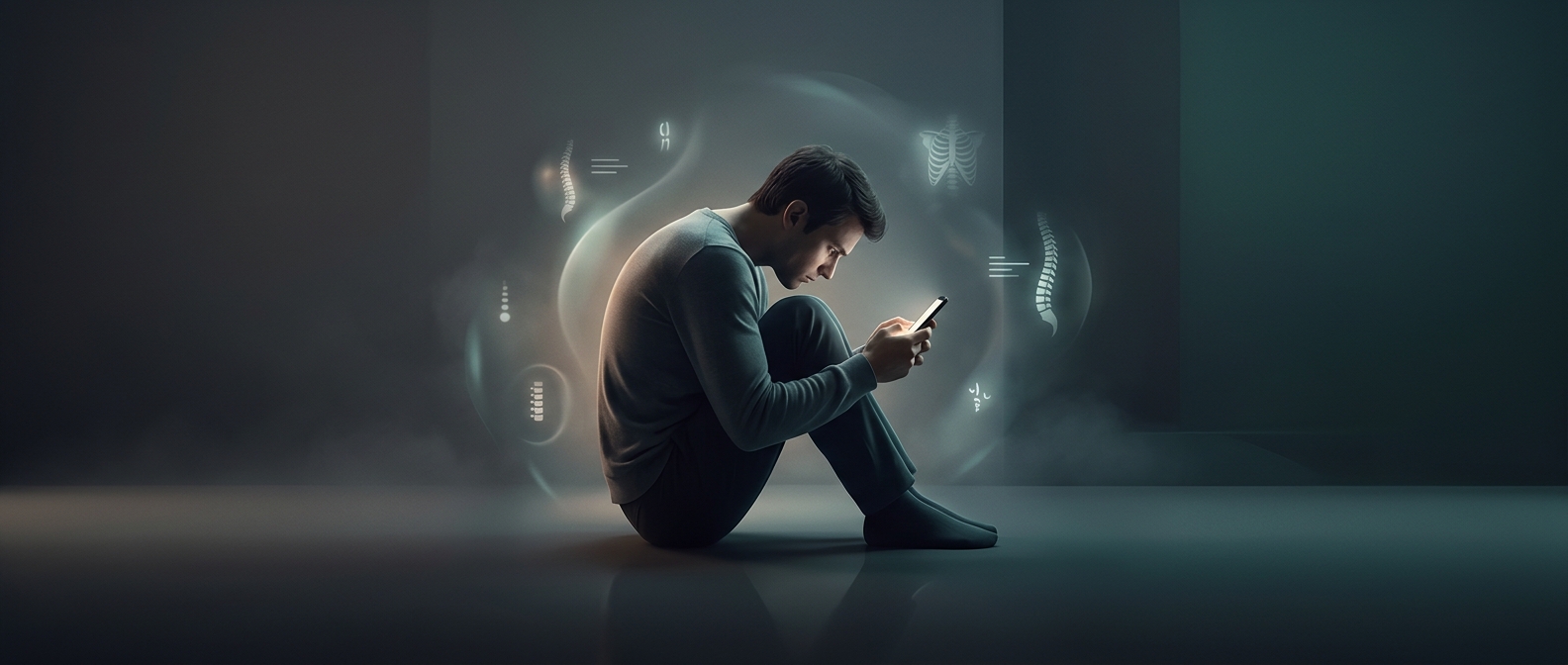
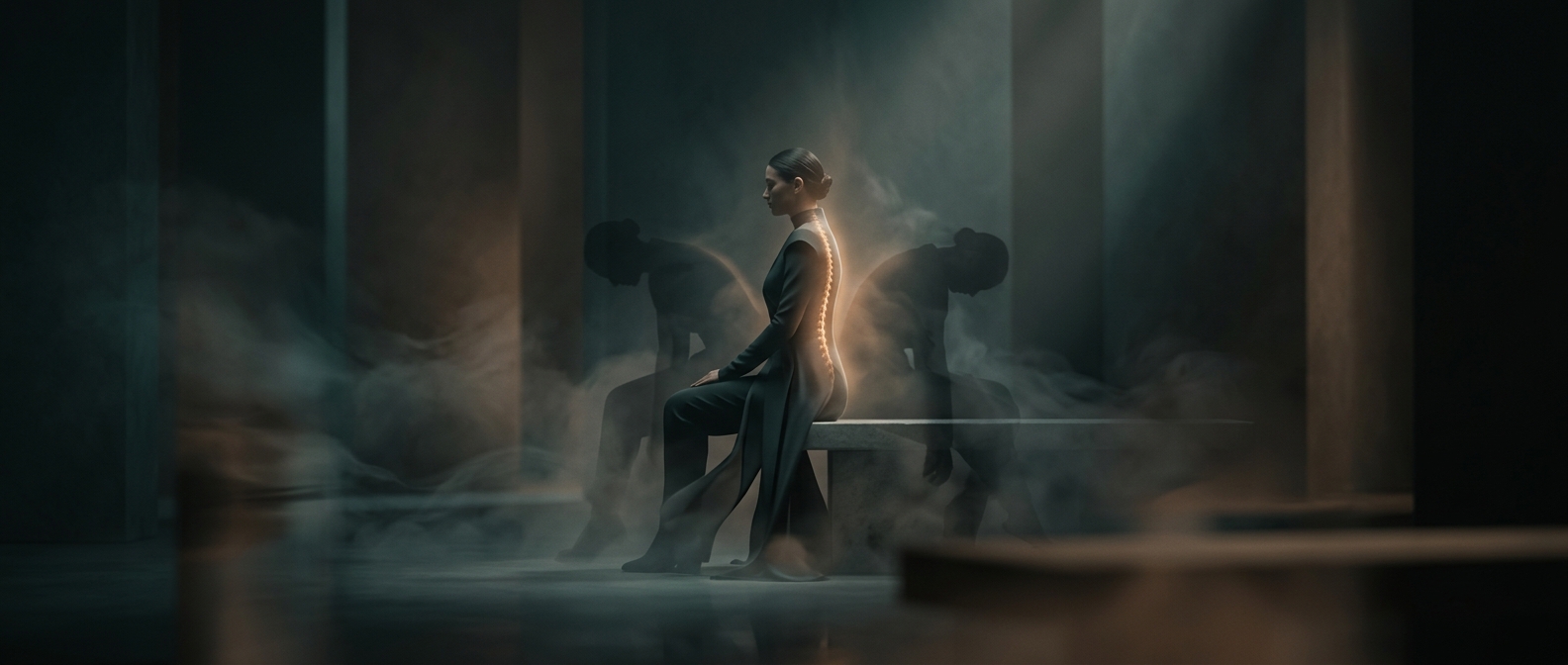
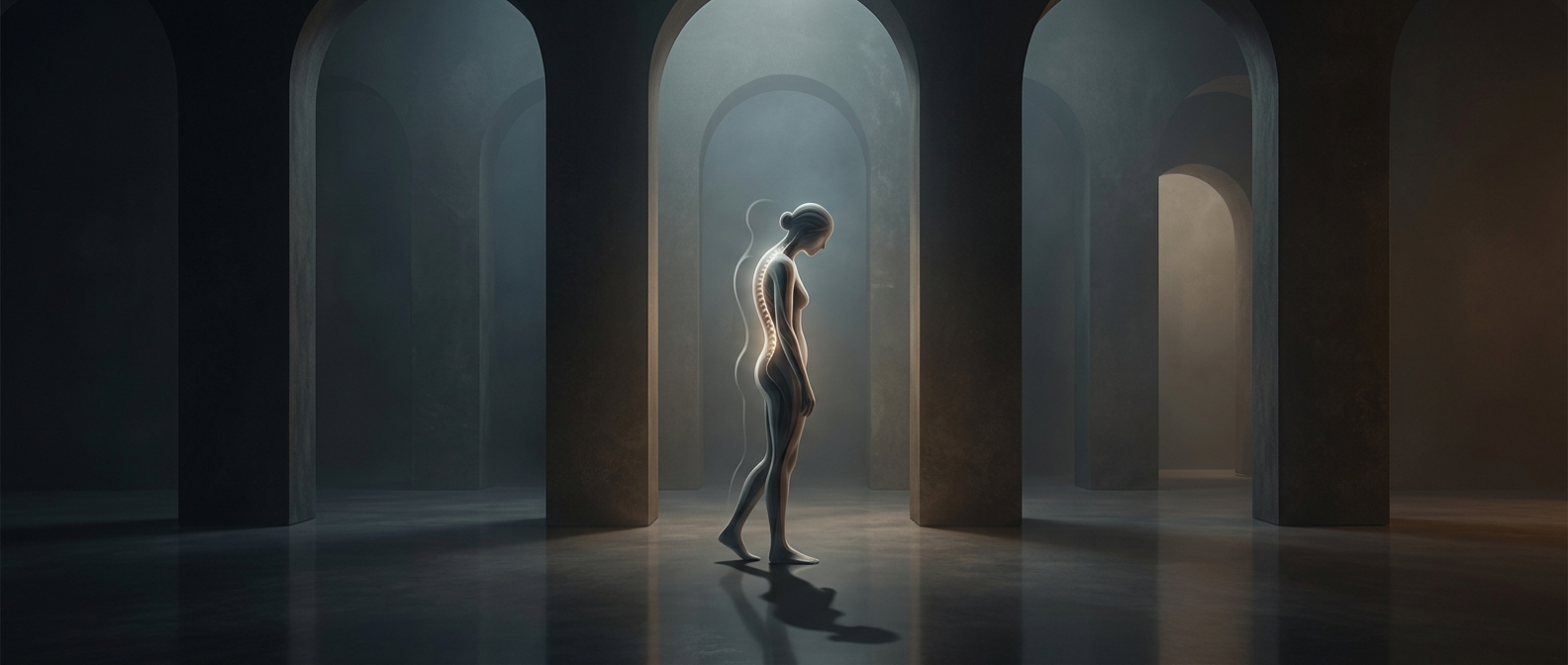
Your height is measured from the floor to the top of your head, but the way you hold yourself changes how much of that height is visible. When you slump, your upper back rounds and your head shifts forward. The shoulders roll inward, and the chest and abdomen occupy a more compressed-looking shape. Standing comfortably upright brings the head back over the trunk and opens that outline, making the body read as longer.
The body is repositioned, not stretched
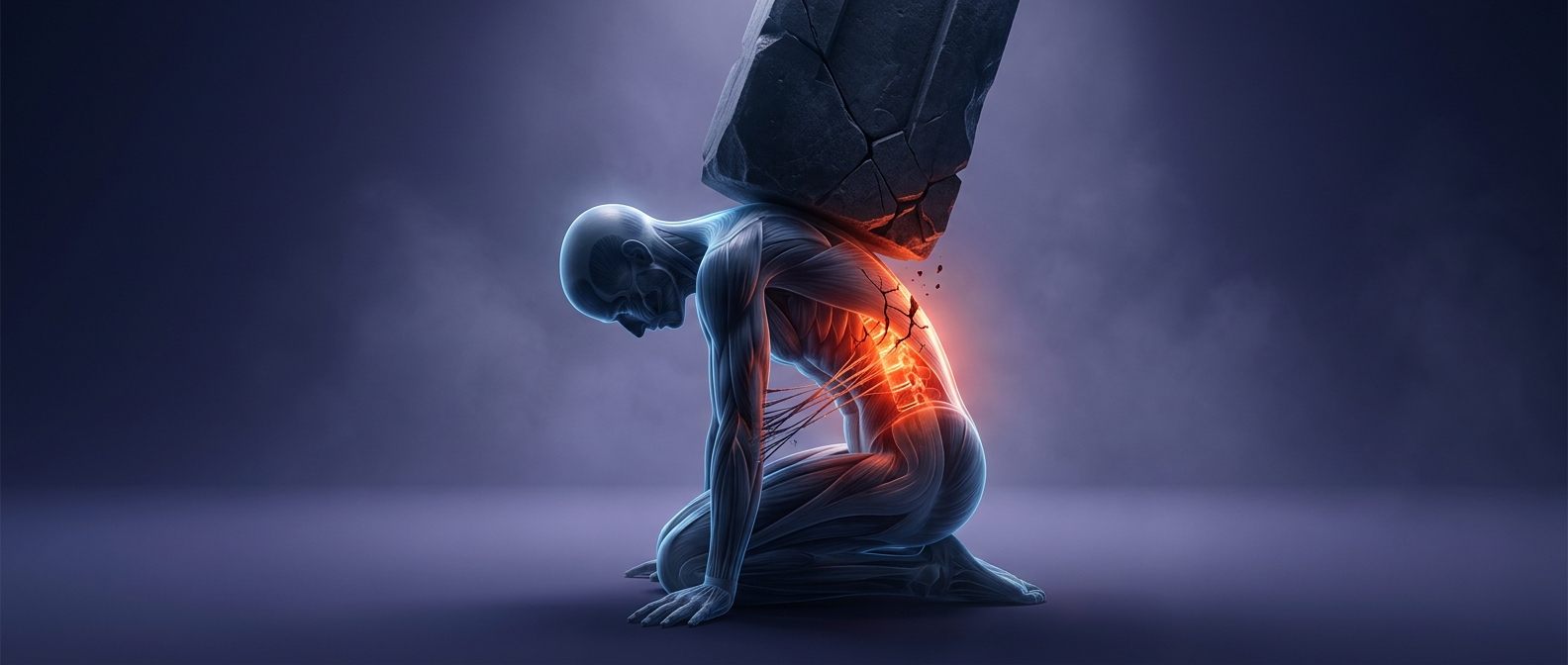
The spine is made of stacked bones separated by flexible discs, with joints and muscles that let the trunk bend and straighten. Slouching changes the alignment of those parts; it does not permanently shorten the bones. When you sit or stand taller, your muscles and joints reposition the spine, shoulders, and head. That can restore some of the height hidden by a bent posture, but it does not increase your skeleton’s actual length.
The effect is also visual: posture changes the proportions observers notice and the way clothing hangs. A straighter line from head through torso can make the whole figure seem taller, even though a height measurement may show little difference—or none.
Upright does not mean rigid
Good posture is not the same as forcing the chest out or holding the body stiffly. A relaxed, balanced stance lets the head sit over the shoulders and the shoulders over the hips, without an exaggerated arch in the lower back. The practical difference is subtle but easy to see in a full-length silhouette: the same person, in the same shoes, can look more elongated simply by standing at ease rather than folding forward.