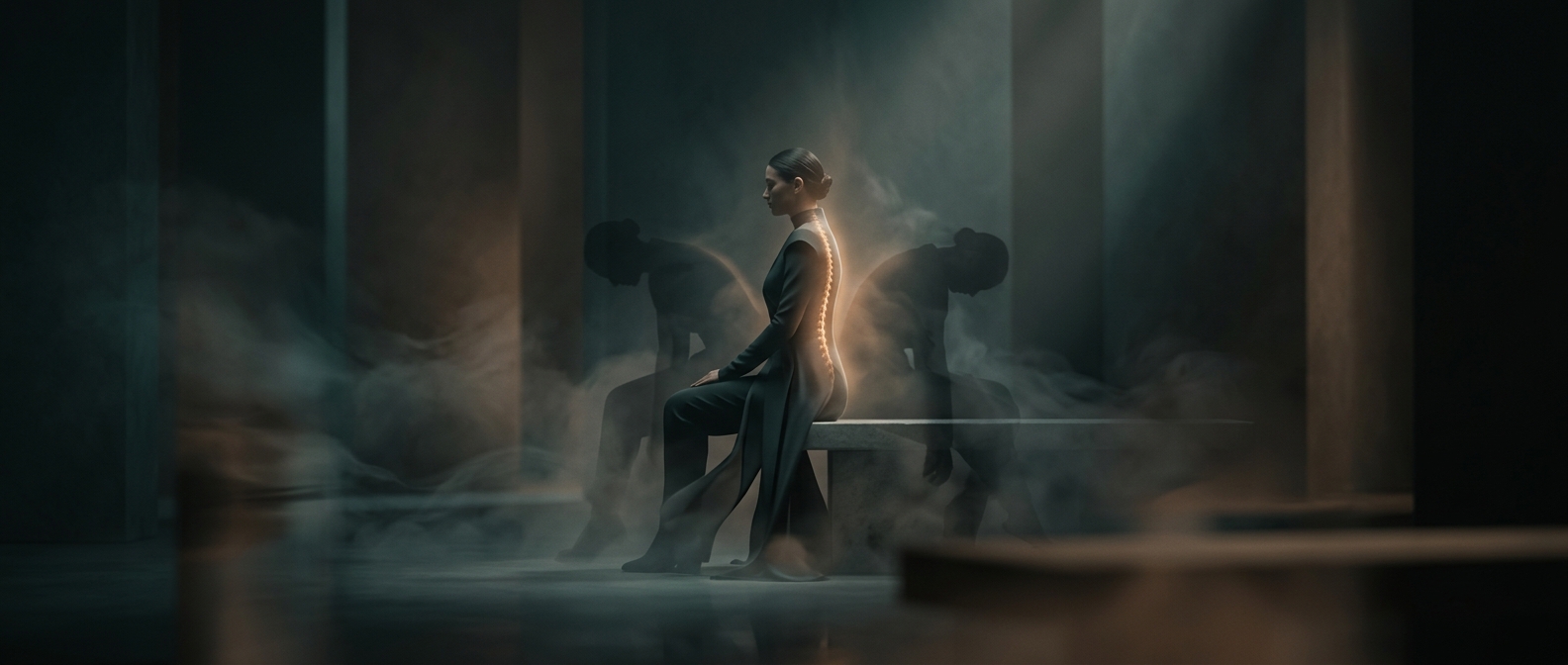
Why a small shift changes the effort
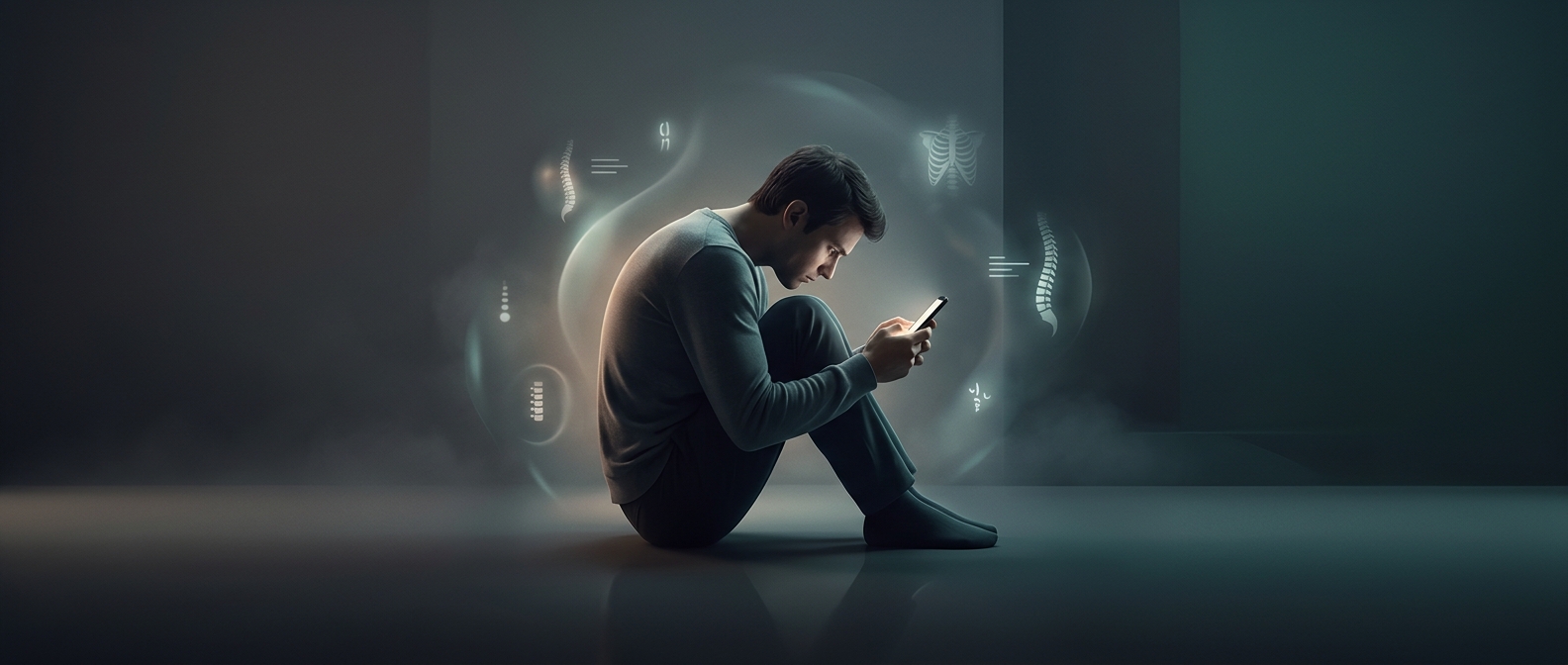
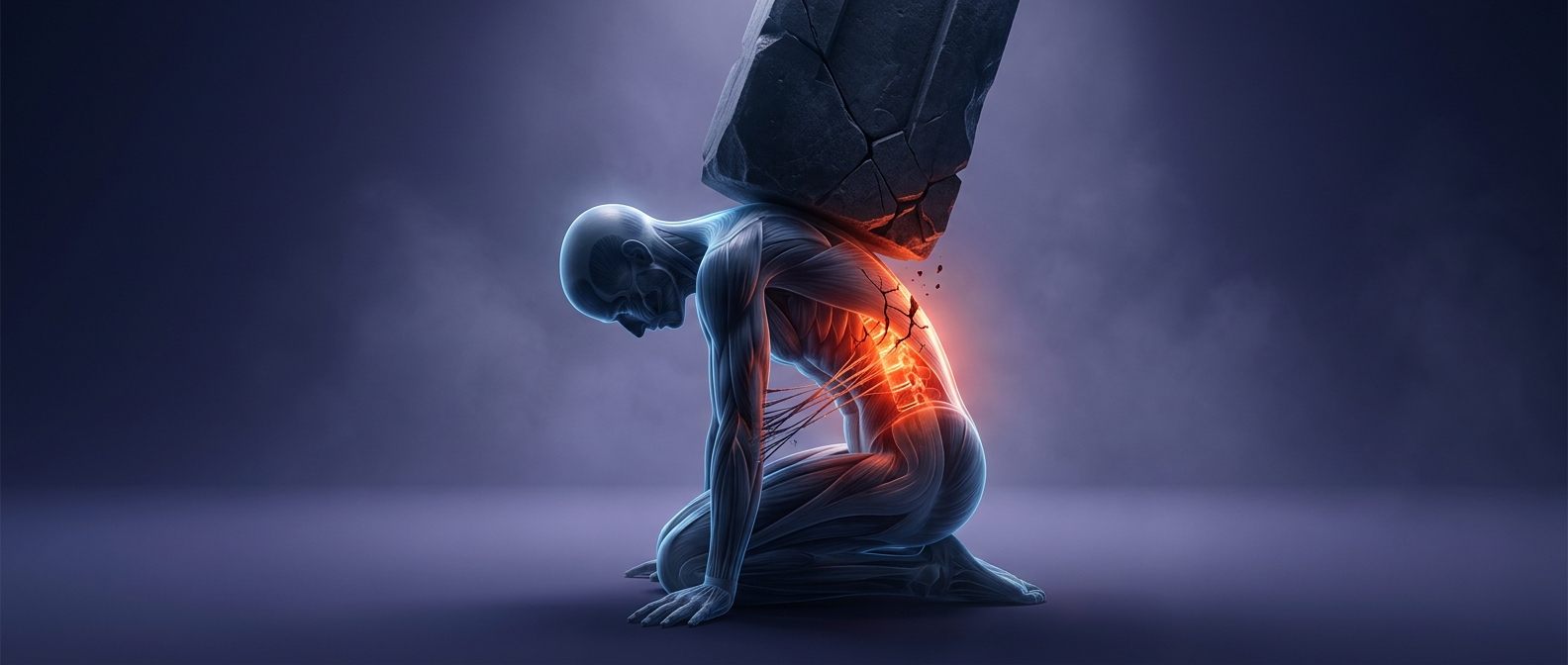
Your spine and back muscles help hold your upper body upright. When you slump, your head and chest move forward, increasing the horizontal distance between their weight and the lower back. That distance is a lever arm: the farther the weight sits from the joints supporting it, the more force is needed to steady it.
Back muscles respond by contracting, while joints and other tissues help bear and distribute the load. The posture may feel passive, but the body is still doing work to keep you from folding farther forward.
Why it can become uncomfortable
Holding one position for a long time asks the same muscles and tissues to sustain that effort. They can become tired or achy, especially if you have little opportunity to shift or stand. A slumped position can also change how pressure is distributed through the spine, though the effect varies with the person, the posture, and how long it is held.
That does not mean one episode of slouching damages your back. The more useful distinction is between a brief position and a fixed one maintained for hours. Changing position gives particular muscles a break and shifts the work elsewhere.
Movement matters more than a perfect pose
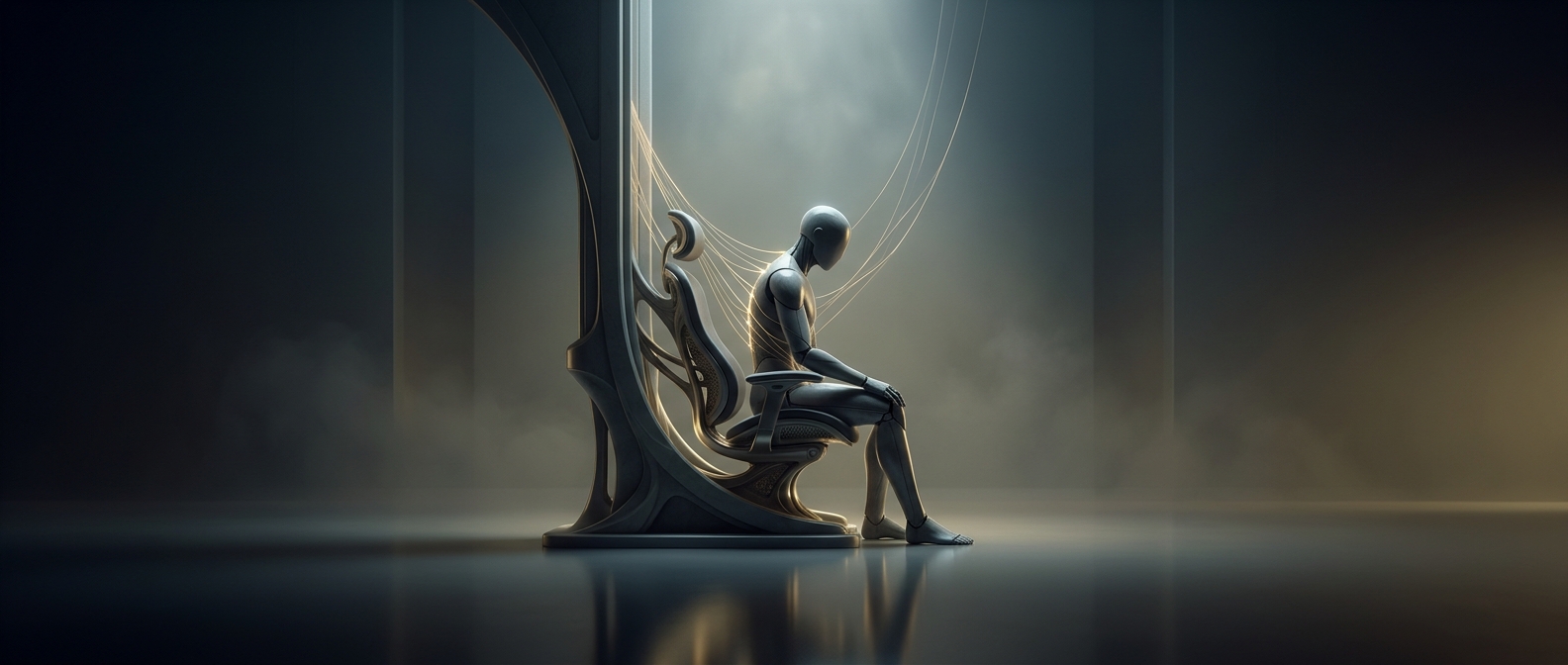
There is no single posture everyone must hold all day. Sitting back, bringing a screen closer, or standing up periodically can reduce the need to maintain a forward lean. The practical point is not to stay rigidly upright, but to avoid making one position carry the load without a break.