Why a Reclined Chair Can Ease Pressure on the Lower Back
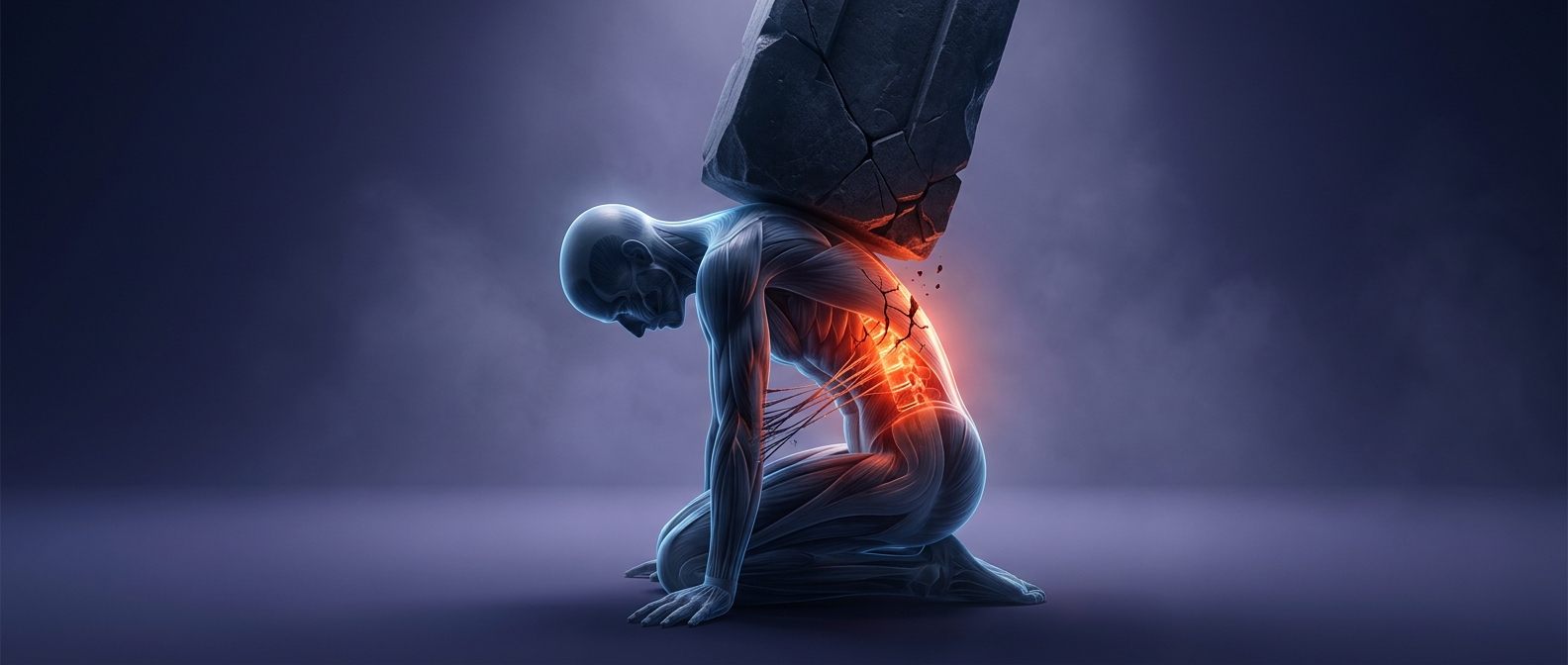
The lower spine’s discs are cushions between the vertebrae. They deform slightly under load, helping the spine tolerate the forces of sitting, standing, and moving. But those forces are not distributed identically in every seated posture.
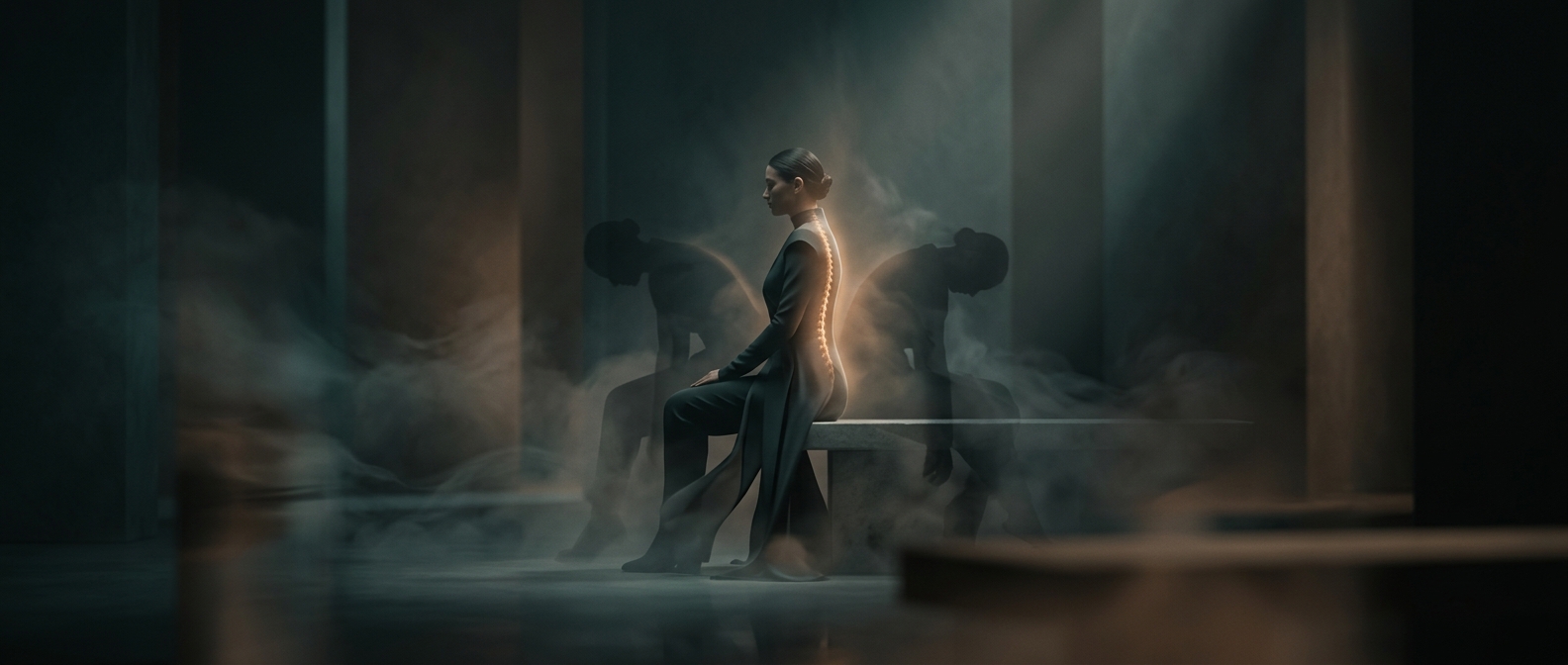
When a person sits upright with the torso and thighs near a right angle, the pelvis and lower back take load in a particular alignment. Reclining opens that angle and changes the spine’s curve. In the positions compared in MRI research, the change was associated with less pressure on the lower-back discs than sitting at 90 degrees. The important point is not that the spine becomes unloaded, but that posture changes where and how strongly the load is applied.
Upright Is Not the Same as Effortless
Holding a rigidly “perfect” posture can require sustained muscle work. A chair’s backrest, by contrast, can support some of the upper body’s weight when the person leans back. That may make reclining feel easier, though comfort and spinal loading are not identical: a position that reduces pressure in a study is not automatically the best position for every person or every task.
The comparison also describes particular measured postures, not a universal rule that slouching is healthy. People differ, and sitting still for a long time can be uncomfortable even when the chair angle is favorable. A useful practical lesson is to avoid treating one stiff pose as the only safe one. Changing position and using support when it feels comfortable can matter more than continually forcing the back into an upright shape.
A chair that reclines is therefore not simply encouraging “bad posture”: its backrest can alter the mechanical demand on the lower spine. The angle that feels relaxed may also reduce disc pressure compared with sitting bolt upright.