Posture can act like a cue during recall
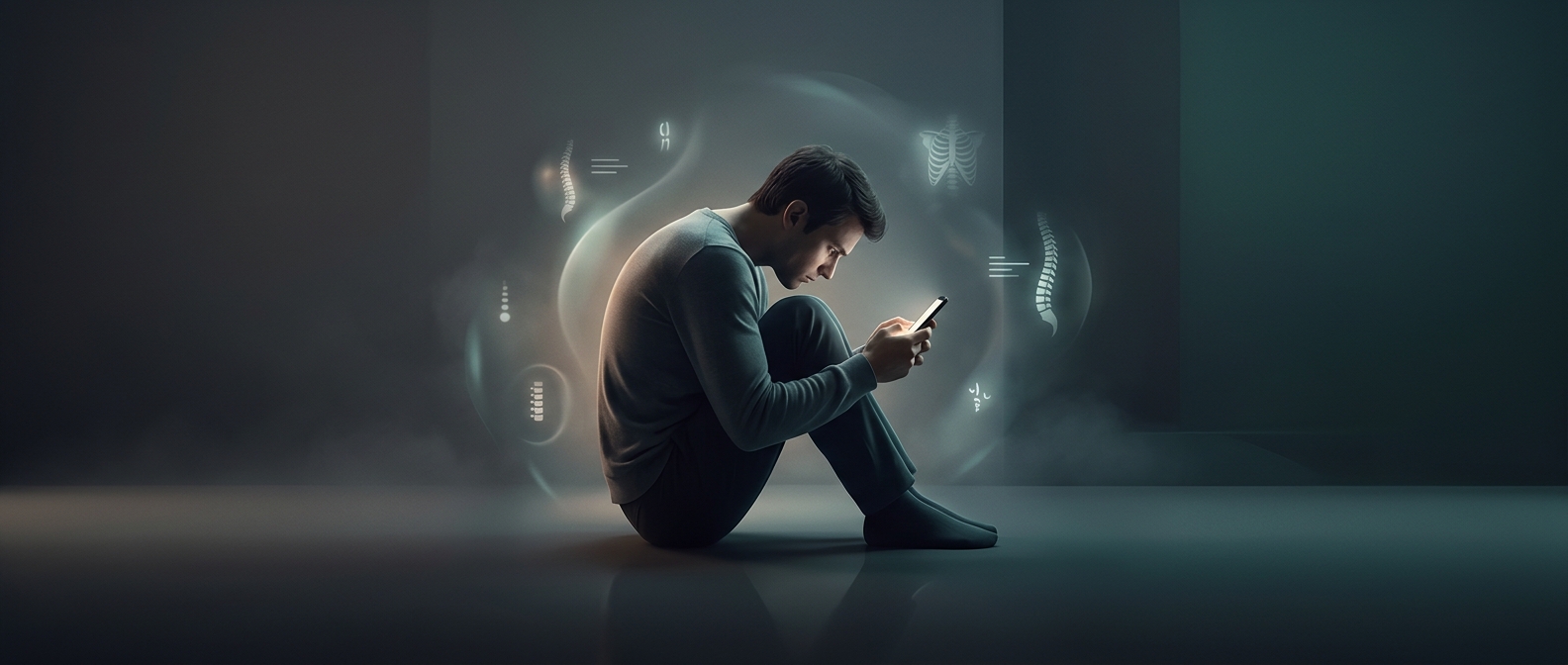
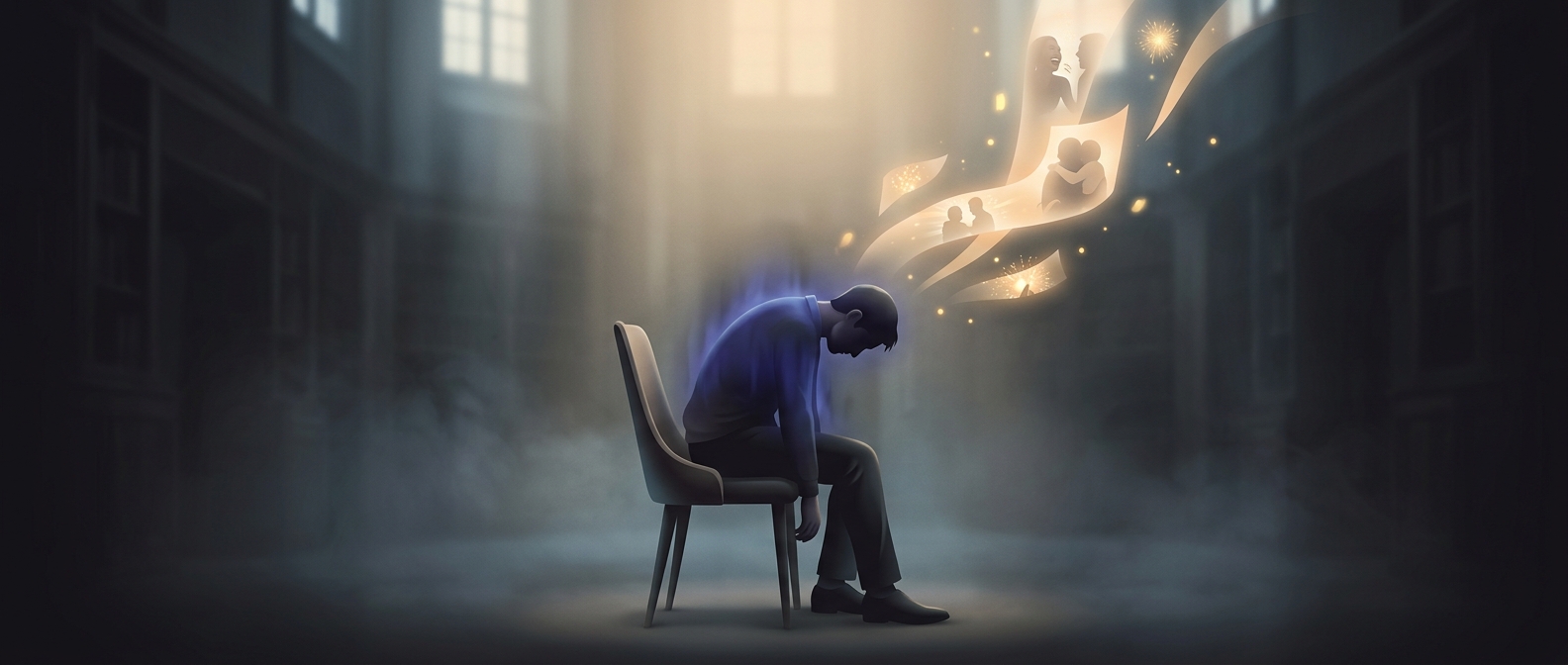
Remembering is not like opening a filing cabinet and pulling out an unchanged record. A memory often comes back through cues: a place, a sensation, or a mood can make some thoughts easier to reach than others. Body position may be one of those cues. In studies of posture and memory, people asked to sit slumped have found positive memories harder to retrieve than people sitting upright.
That does not mean slouching erases good experiences or makes every thought negative. The proposed effect is on what comes to mind readily in the moment—a shift in access, not a change to the past itself.
How the body may steer the mind
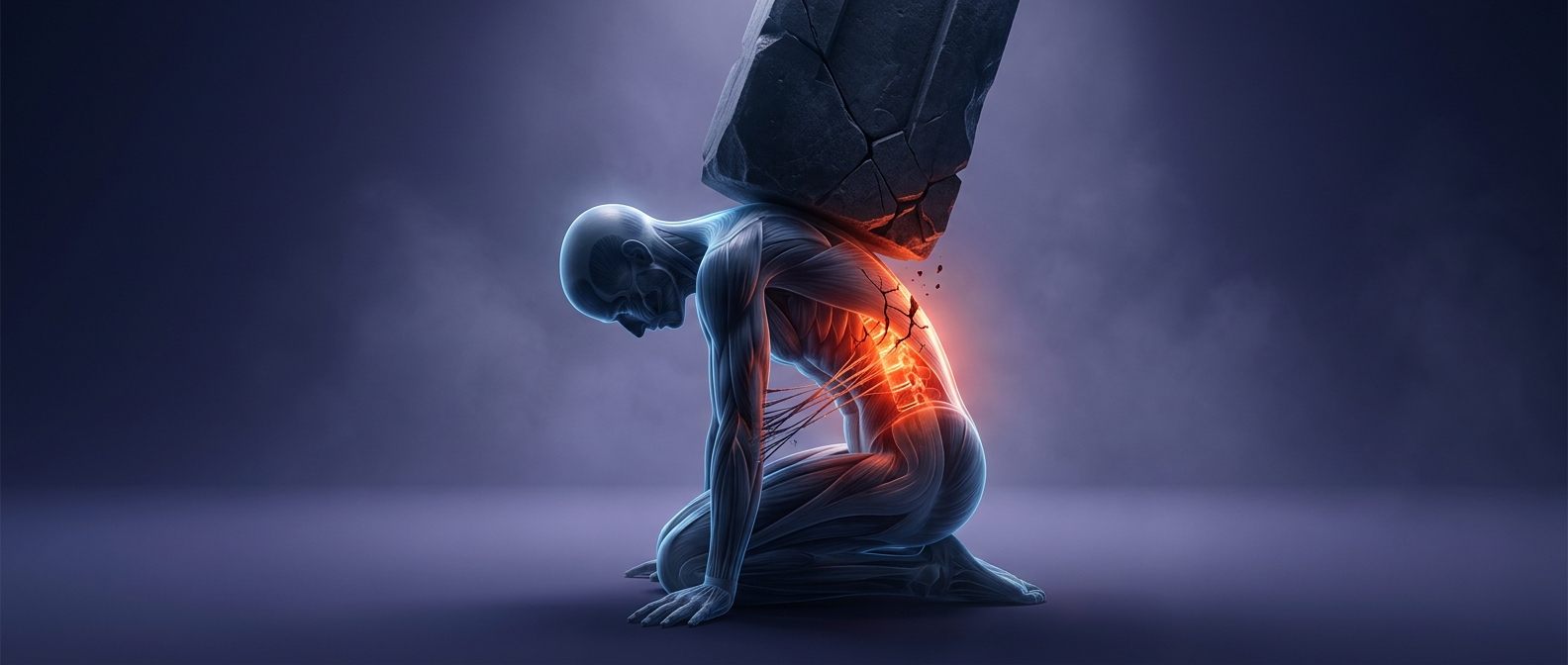
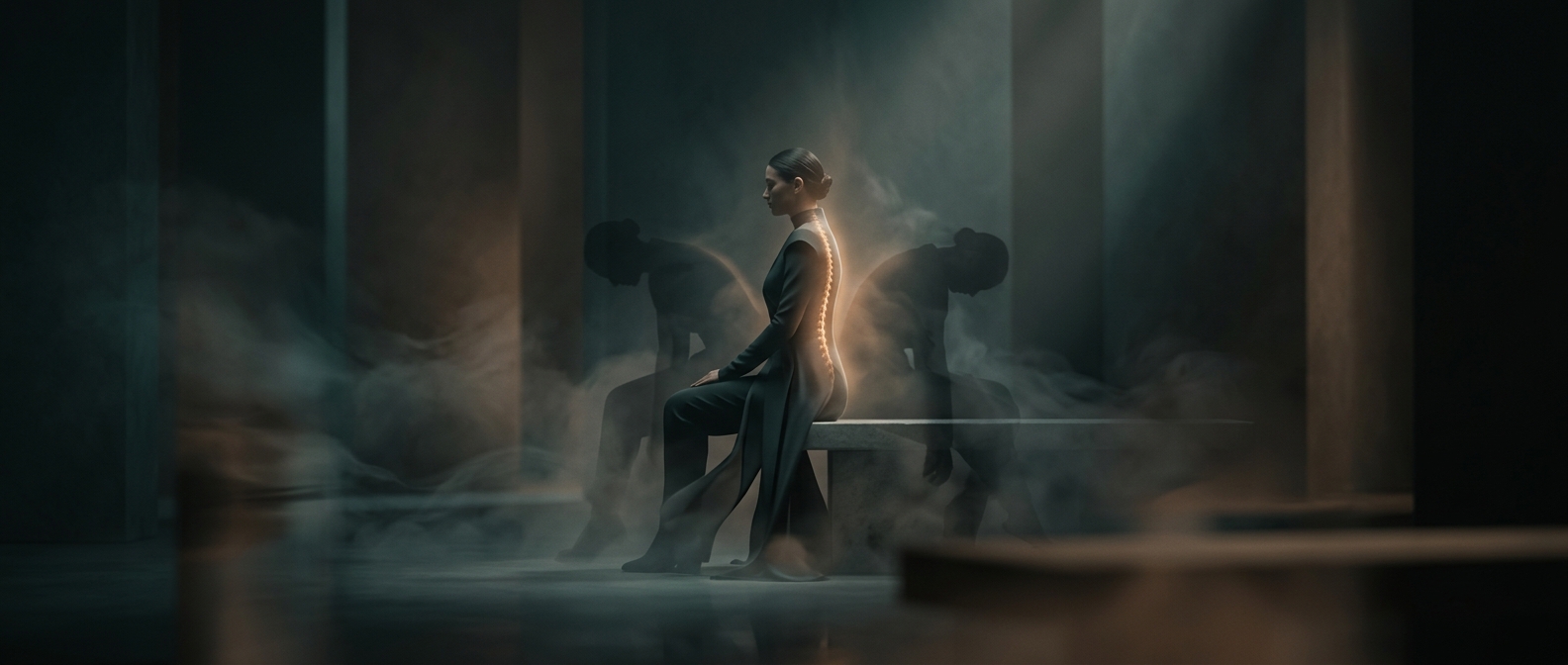
An upright posture can support a more alert, engaged state; a collapsed posture may go along with lower energy or a more withdrawn, defensive feeling. Those bodily states can influence attention and the emotional tone of thought. If a person is already feeling discouraged, for example, a posture associated with withdrawal may make it easier to follow negative material and harder to summon an encouraging memory.
The relationship can run both ways. Mood can affect how someone sits, while posture may feed back into how they feel or what they attend to. Researchers therefore treat posture as a possible influence on memory retrieval—not a simple switch that reliably determines someone’s mood.
A small cue, not a cure
The practical implication is modest: when someone is trying to bring to mind a positive experience, sitting upright may provide a helpful physical cue. It is not a substitute for addressing persistent distress, and one posture cannot guarantee a particular memory.
Still, the idea is worth noticing because recall feels private and purely mental. In practice, the route to a memory can depend partly on the state of the person trying to reach it—including the shape of their body in the chair.