How a single donation becomes several treatments
Blood is not one uniform fluid. It contains components with different jobs, and hospitals often need one particular component rather than whole blood. After donation, a unit can be processed so those parts can be stored and given separately.
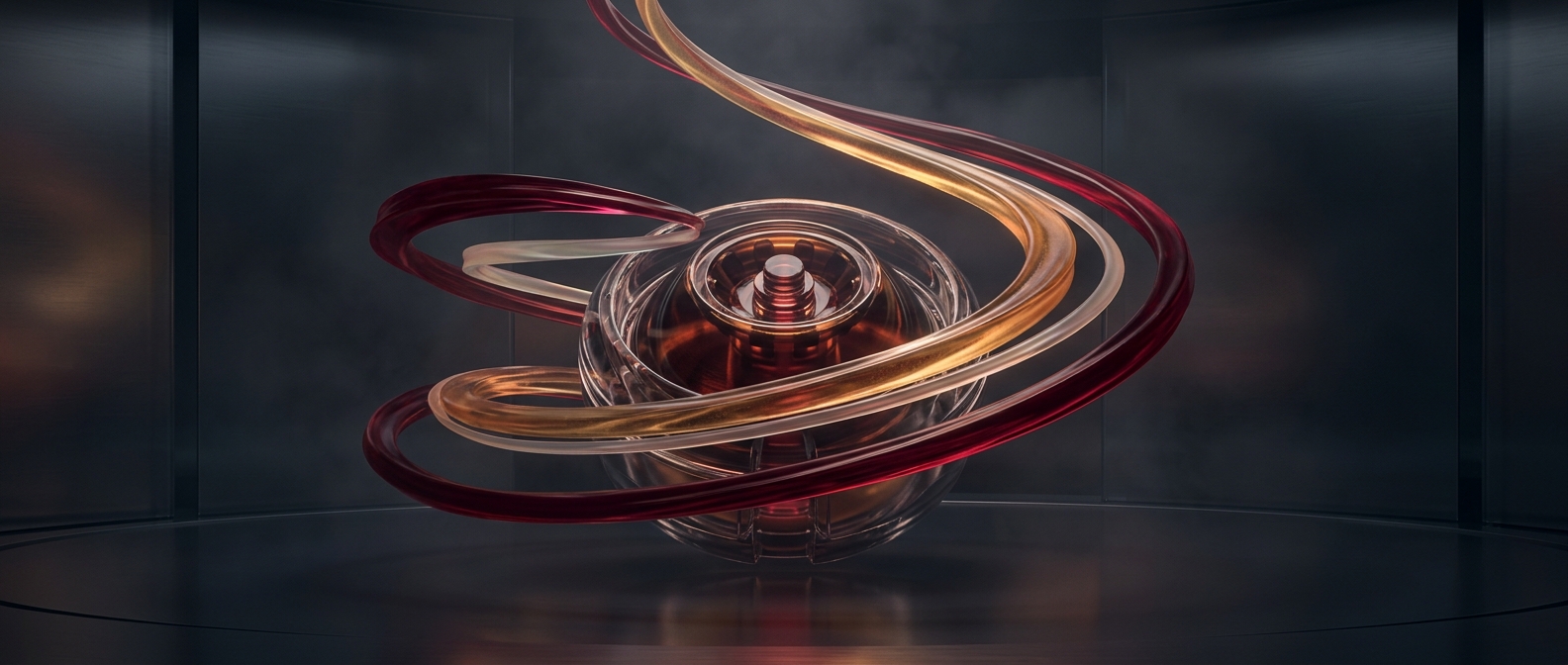
A machine spins the collected blood, separating its denser red cells from the lighter plasma. Platelets—the small cell fragments that help form clots—can also be collected or separated during processing. The components are then prepared for transfusion, with careful checks to ensure they are suitable for use.
Matching each component to a different need
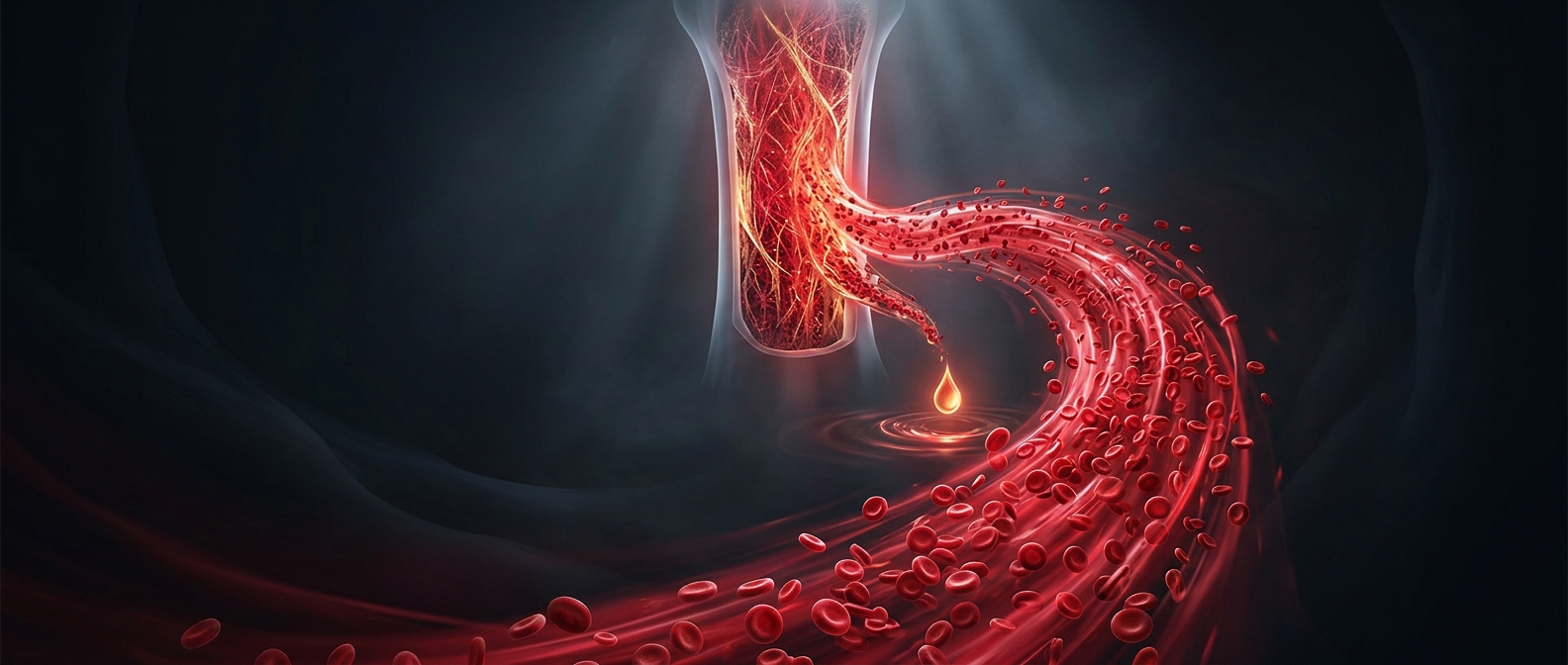
Red cells carry oxygen from the lungs to the body’s tissues. They can help a patient whose blood loss or illness has left too few oxygen-carrying cells. Plasma, the liquid portion of blood, contains proteins and other substances that support circulation and clotting; it may be used when a patient needs those components. Platelets help plug damaged blood vessels and are often needed by patients whose platelet counts are dangerously low or whose treatment interferes with clotting.
Because these needs are distinct, one donation may be divided into components and used for as many as three patients. It does not mean every donation always helps exactly three people: the usable components and their recipients depend on processing, medical need, and compatibility.
Why separation matters
Giving patients only the component they need makes a donation more versatile. A person needing platelets does not necessarily need extra red cells, just as someone who needs red cells may not need plasma. Separating the components lets one donor’s contribution address different problems in different patients—turning a single collection into several targeted transfusions.