Blood returns in stages
After a whole-blood donation, the body has lost both the liquid portion of blood—plasma—and some of its cells. These parts do not come back on the same timetable. Fluid shifts from tissues into the bloodstream, and drinking fluids supports that process, so circulating volume can recover relatively quickly. Replacing red blood cells takes longer because the body has to build new cells rather than simply move fluid around.
A kidney-to-marrow signal
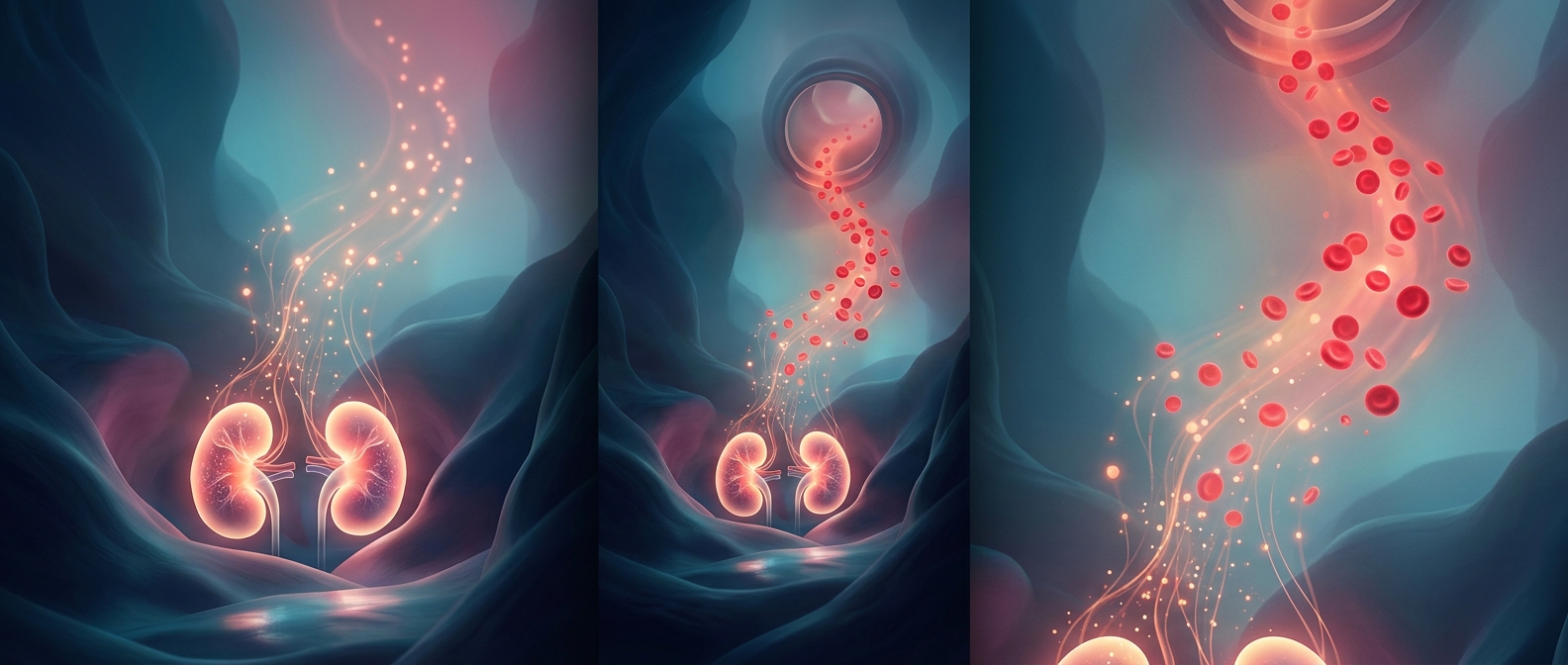
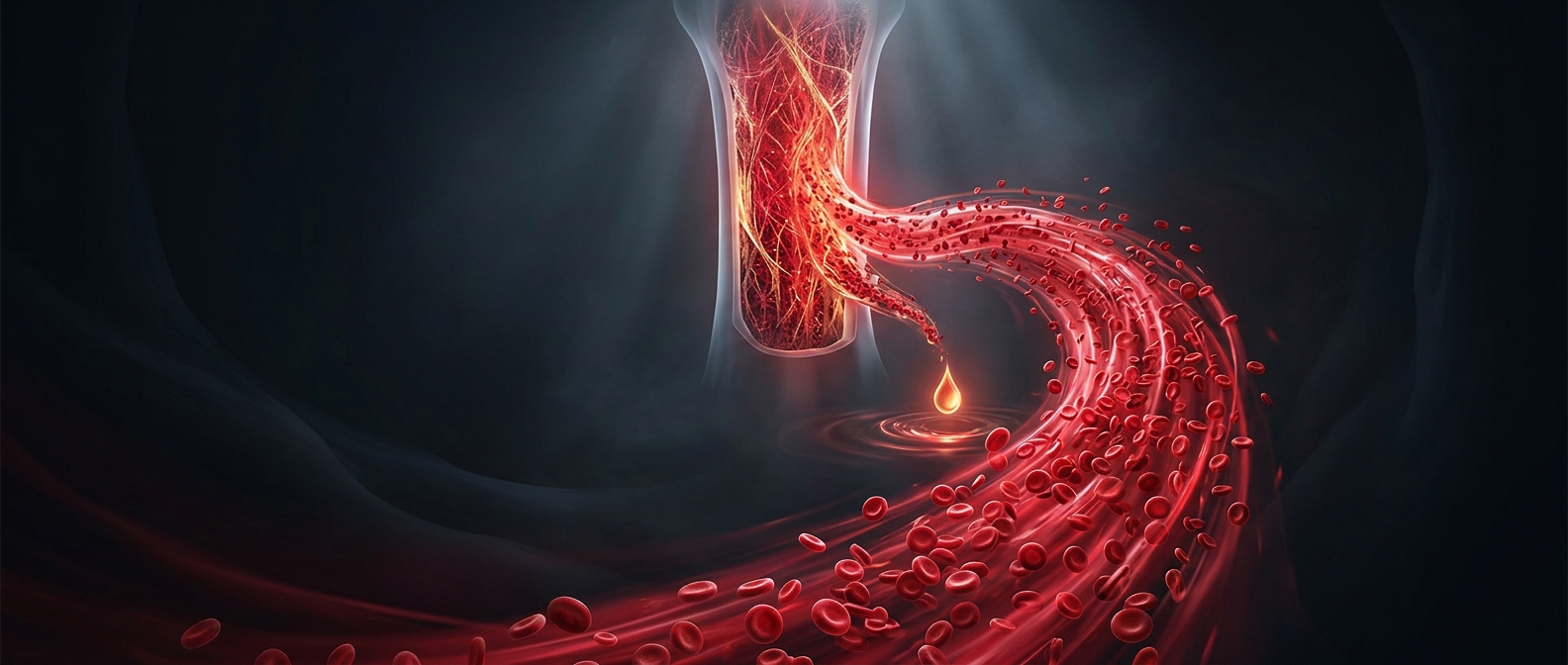
Red blood cells carry oxygen using hemoglobin, an iron-containing protein. When fewer cells are circulating, the kidneys detect reduced oxygen delivery and release erythropoietin, often shortened to EPO. This hormone travels to the bone marrow, the soft tissue inside many bones where blood cells are made, and prompts it to increase red-cell production.
The marrow needs raw materials to do the work. In particular, it uses iron to make hemoglobin, along with nutrients such as vitamin B12 and folate to support cell production. As new red cells mature and enter the bloodstream, oxygen-carrying capacity gradually rises. The body also replaces other donated blood components, but red-cell production is the slower part of recovery.
Why feeling better is not the whole story
A person may feel well once blood volume has recovered, even while the red-cell supply—and especially the body’s stored iron—has not fully returned to its previous level. Iron stores can take longer to replenish than circulating fluid, because some of the donated iron left the body inside red cells. That is why recovery is not a single moment: the bloodstream’s volume can rebound first, while rebuilding its oxygen-carrying workforce continues afterward.