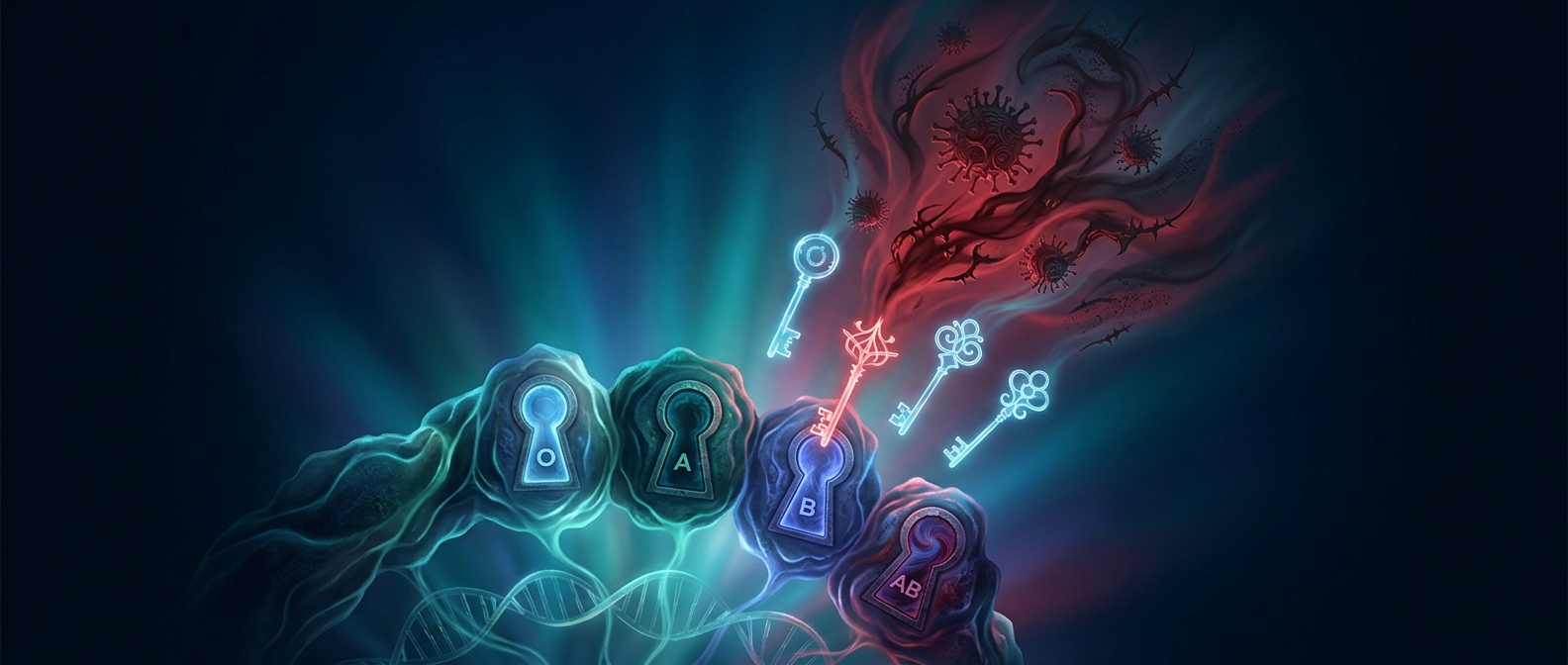
A mismatch can set off a rapid chain reaction
The most urgent red-cell mismatches involve the ABO system: types A, B, AB, and O. Someone with type A blood, for example, has antibodies that can recognize the B marker. If incompatible donor cells enter the bloodstream, antibodies may bind to them and trigger their destruction. The resulting reaction can disrupt circulation and injure the kidneys; in severe cases, it can be life-threatening.
Another important marker is Rh, especially the D marker that distinguishes positive from negative blood types. Unlike the common ABO antibodies, anti-D antibodies usually form after exposure to Rh-positive blood, such as through a transfusion or pregnancy. That means an Rh mismatch can create a risk not only now, but also during a later exposure.
Compatibility is checked, not guessed
Before a transfusion, staff determine the recipient’s blood type and screen for antibodies that could react with donor cells. They also perform a crossmatch: a direct compatibility check between a sample of the patient’s blood and the blood being considered for transfusion. This can catch problems that a basic type label alone would miss.
In an emergency, clinicians may begin with red cells chosen to reduce the chance of an ABO mismatch before full testing is complete. But no blood type is a universal answer to every situation: other blood-cell markers and a patient’s antibody history can matter. The safest match is the one checked against that particular patient’s blood, which is why even a small identification or testing error can have outsized consequences.