Why a Dog’s Birth Chart Depends on the Clock
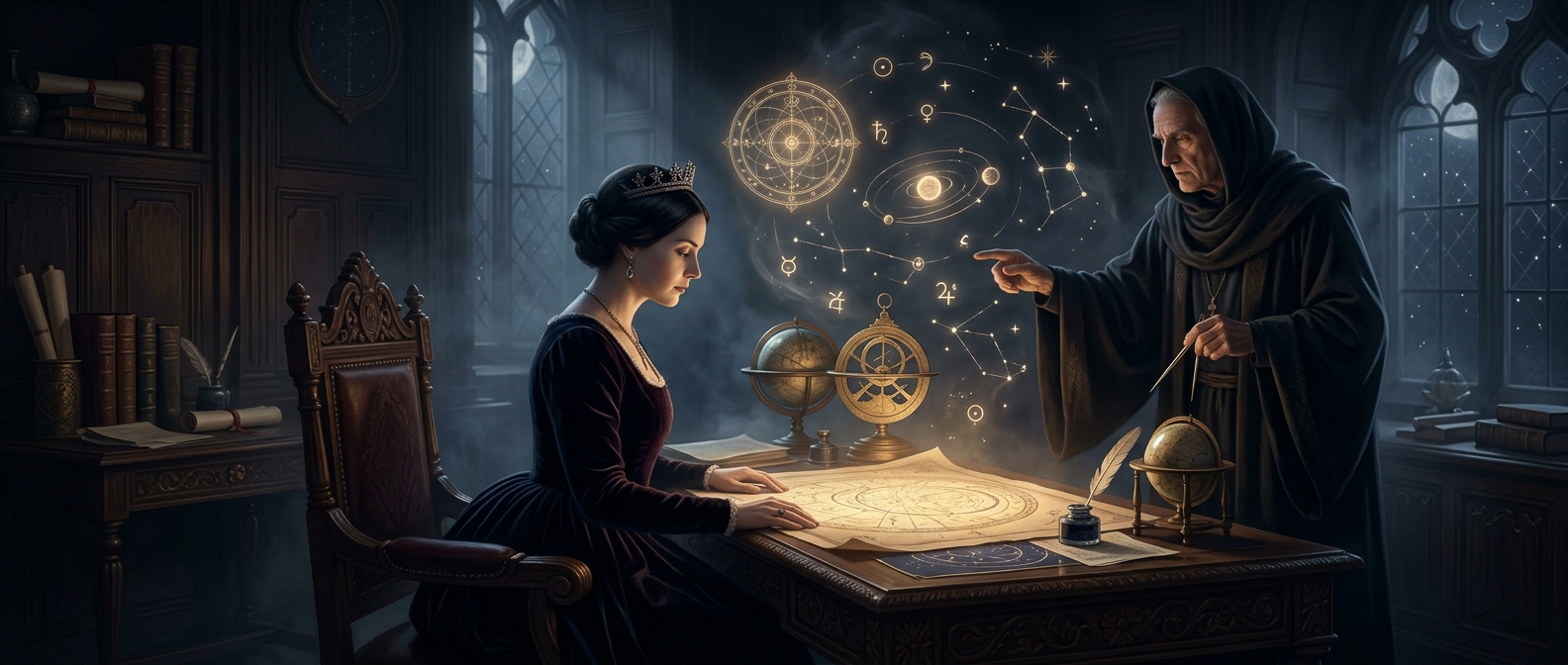
In astrology, a birth chart is calculated for a particular moment and place. The date and location help set the positions of the planets, while the clock time determines how the sky is oriented relative to the horizon. That orientation affects the rising sign—the sign appearing in the east at that moment—and the chart’s houses, the sections astrologers use to interpret different areas of life.
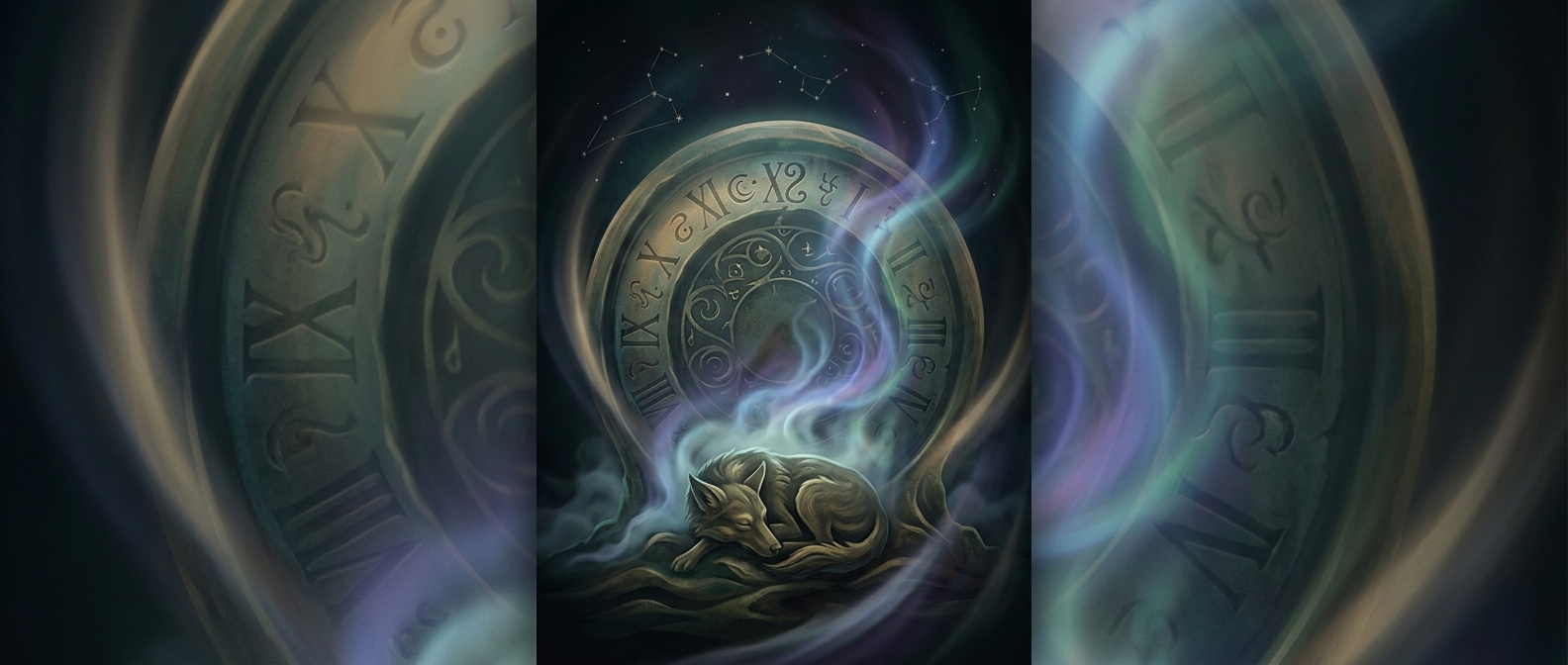
For a dog adopted from a shelter or found as a stray, the date itself may be estimated, let alone the hour and minute. Even when an owner chooses a celebratory birthday, that date marks a convenient human milestone, not necessarily the animal’s birth. Without a trustworthy time, parts of a chart that depend on the horizon cannot be pinned down in the same way.
The Meaning Comes From the Person Reading It
Some pet owners use astrology as a playful or reflective way to describe a companion’s personality. But when the underlying birth details are missing, a chart’s apparent specificity can exceed what the available information supports. A broad reading may still feel meaningful, yet its fit can come from familiar descriptions, selective attention, or the owner’s knowledge of the dog—not a precisely timed calculation.
That distinction is easy to miss because dogs cannot confirm when they were born or explain whether a description feels right. The result is less a recovered profile than a story shaped around the animal: potentially enjoyable as a personal ritual, but only as exact as the birth information behind it.