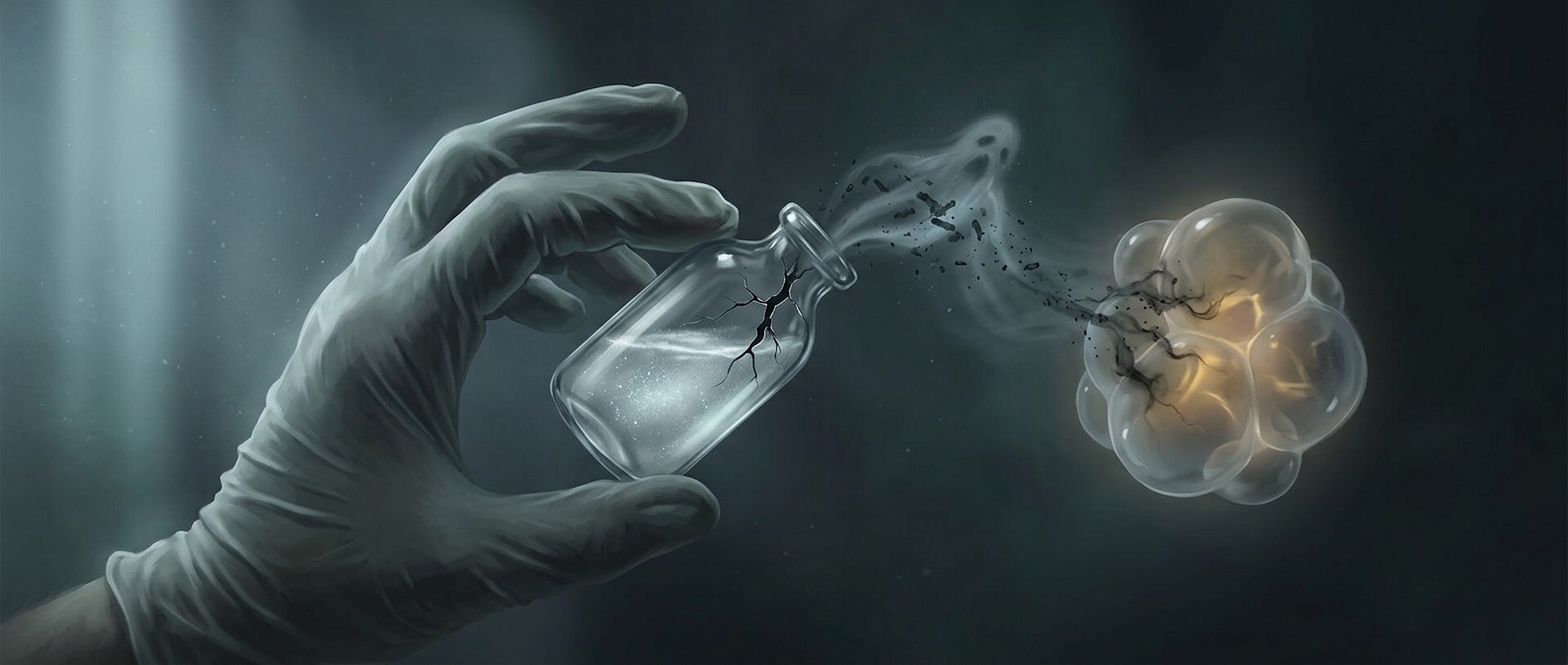
How a protective vaccine became dangerous
BCG was designed to prevent severe tuberculosis in children. Its name comes from the scientists who developed it, Albert Calmette and Camille Guérin. They weakened a tuberculosis bacterium by growing it repeatedly under controlled conditions, producing a live strain that could stimulate protection without causing ordinary TB in most recipients.
That distinction—between a weakened strain and the disease-causing bacterium—was crucial in Lübeck. The vaccine itself was not meant to be sterile of all bacteria: it contained living BCG. But if virulent TB bacteria entered the preparation, the dose could carry the very danger the vaccine was meant to avert.
A shared incubator, a shared risk
In Lübeck, vaccine and virulent tuberculosis strains were kept in the same incubator. The strains were handled as separate cultures, but sharing equipment created a route for accidental mixing. Once virulent bacteria contaminated the vaccine, the appearance of a prepared dose could not reveal the difference. Babies receiving it were exposed to disease-causing TB rather than only the weakened vaccine strain.
More than 250 newborns were given the contaminated preparation, and 72 died. The tragedy was not a failure of the basic idea of vaccination; it was a breakdown in keeping two biologically similar but profoundly different strains apart.
The lesson was in the process
A vaccine made with live microbes depends on disciplined production and handling. Weakening a bacterium is only one part of the work: cultures must also remain separated so that a dangerous organism cannot enter the final preparation. Lübeck made that hidden chain of safeguards impossible to overlook. A vaccine’s safety depends not just on what scientists intend to put in a vial, but on what can reach it along the way.