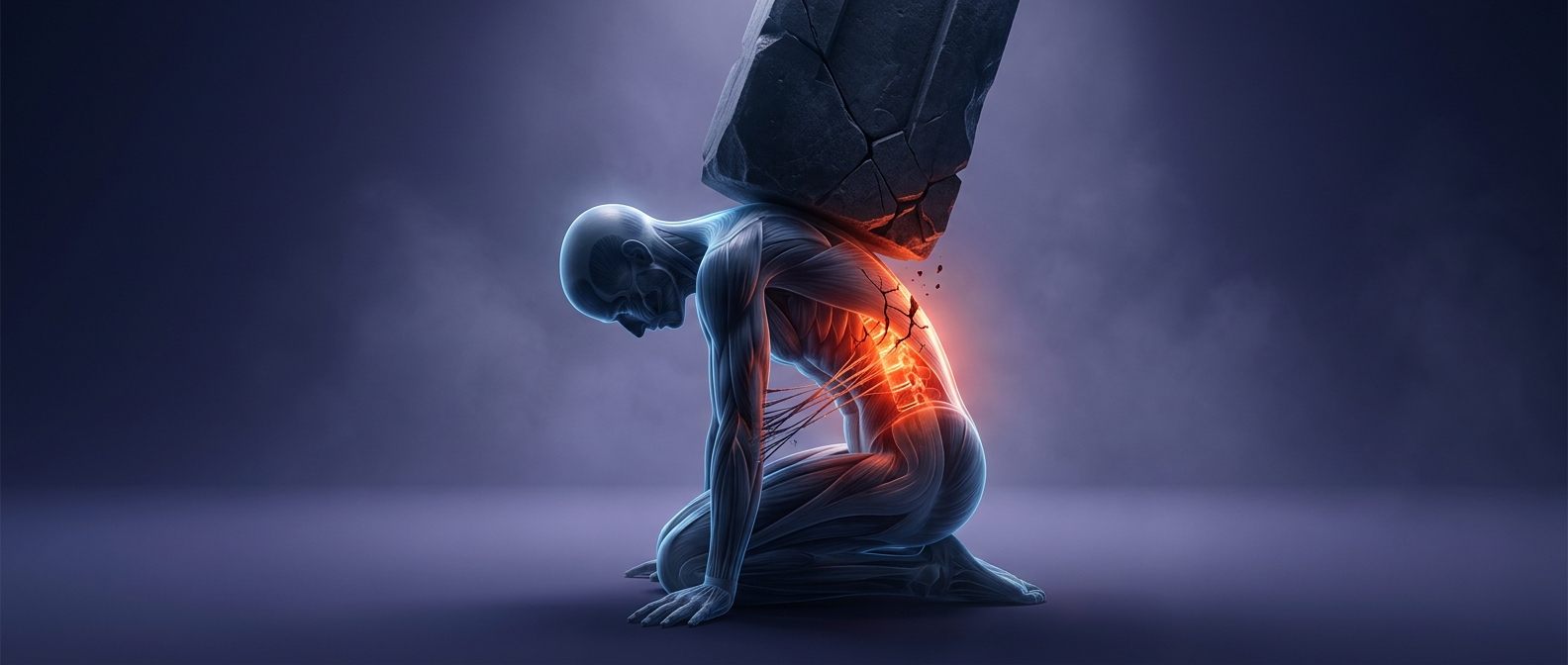
Why a posture brace can change the way you move
A brace does more than remind you to sit or stand upright: depending on its design and fit, it can limit how far your shoulders or upper back move. Some straps pull the shoulders backward; more structured supports provide a firmer physical boundary. When your body meets that boundary, ordinary motions—reaching forward, turning, or relaxing your shoulders—may look constrained.
The result can be a straighter-looking pose but less fluid movement. A person may compensate by moving the neck, arms, or torso differently, making the whole posture appear rigid rather than comfortably upright.
Support is not the same as a learned habit
Keeping a position while a brace is on is a different task from choosing and controlling that position unaided. Without the device, the body again relies on its own muscles, balance, and movement patterns. The brace’s pressure or pull is no longer there to guide the movement, so taking it off does not, by itself, establish a lasting new habit.
That distinction matters because posture is not a single pose to hold motionless. It shifts as you walk, reach, and sit. A device that feels restrictive or changes how you move is not automatically producing useful practice; the support’s fit and purpose matter. The telling test is not simply whether you look straighter in the brace, but whether you can move comfortably when it is gone.