A spell was treated as a carefully timed operation
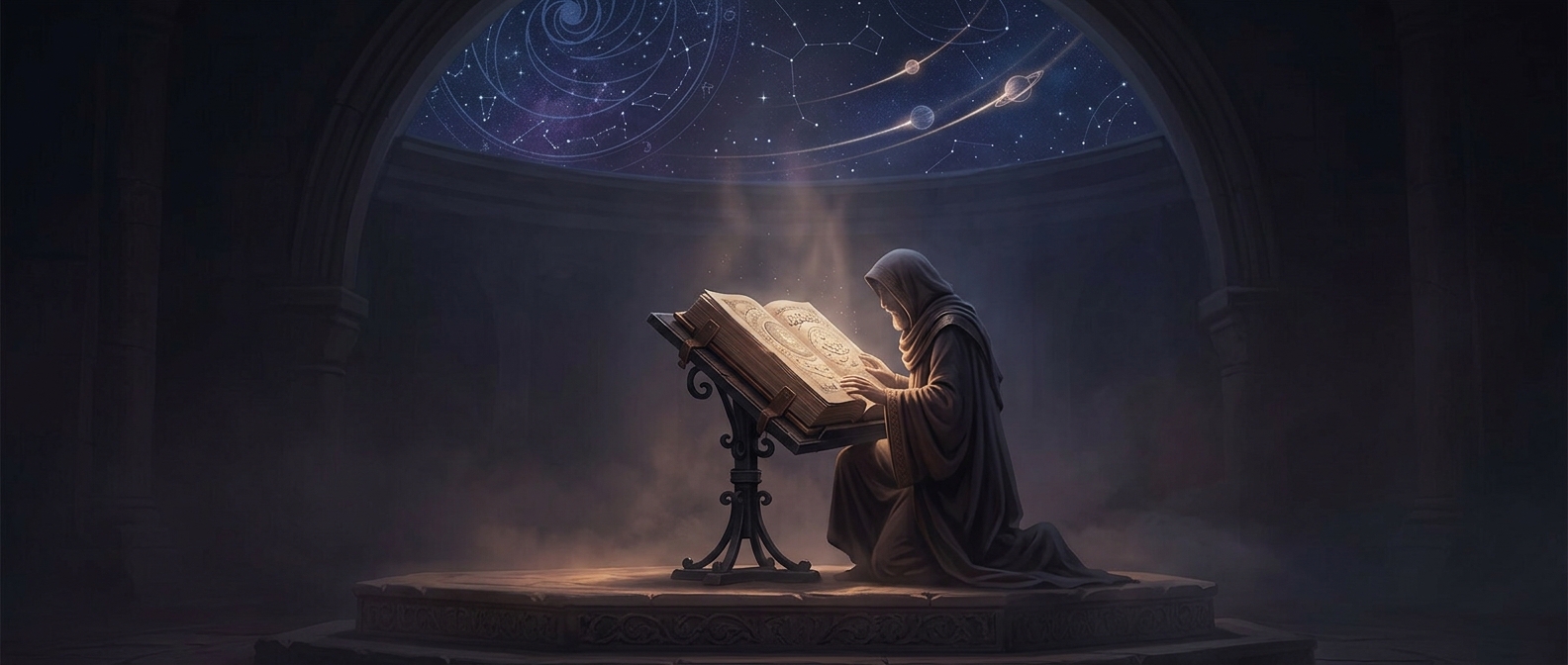
In the Picatrix, astrological magic rests on a particular view of the cosmos: planets were thought to exert distinct influences on earthly life. A practitioner therefore did not simply choose a desired outcome, such as love or harm. The practitioner tried to act when the relevant planet was favorably placed and to prepare materials believed to share its qualities.
“Venus rising” means Venus appearing above the eastern horizon. In astrological terms, that moment could make Venus’s influence especially fitting for a working aimed at attraction. Timing was part of the recipe, not an incidental detail.
Why the ingredients could be so strange
The text’s instructions connect celestial forces to earthly substances. Materials from animals, plants, or minerals were assigned symbolic or occult qualities; combining them under a chosen planetary configuration was supposed to bring those powers together. Brain tissue, for example, belongs to the unsettling material side of a tradition that treated the body and the heavens as parts of one connected system.
This was not magic understood as a spontaneous miracle. It was presented as a technical art: identify the desired effect, select a planetary influence, then coordinate the timing and materials. The detailed instructions also made the work demanding. A reader had to navigate layers of correspondences and procedures rather than rely on a single simple charm.
A manual for a world of correspondences
The Picatrix gathered astrological and magical learning into a dense handbook. Its recipes reveal how seriously medieval practitioners could take the idea that the right moment and the right substance might cooperate. The enduring surprise is the method’s precision: even a spell for love could be imagined as something assembled from a celestial schedule and a physical ingredient.