A handbook for making the heavens matter on earth
The Picatrix is the Latin name of a medieval manual of astral magic, translated from an Arabic work called Ghāyat al-ḥakīm. Its Latin tradition associated the book with Maslama al-Majrīṭī, though that attribution is disputed. Rather than treating a ritual as a plea to a distant power, the book presents it as a way to shape an object so it corresponds to a planet and its influence.
Why timing, materials, and images belonged together
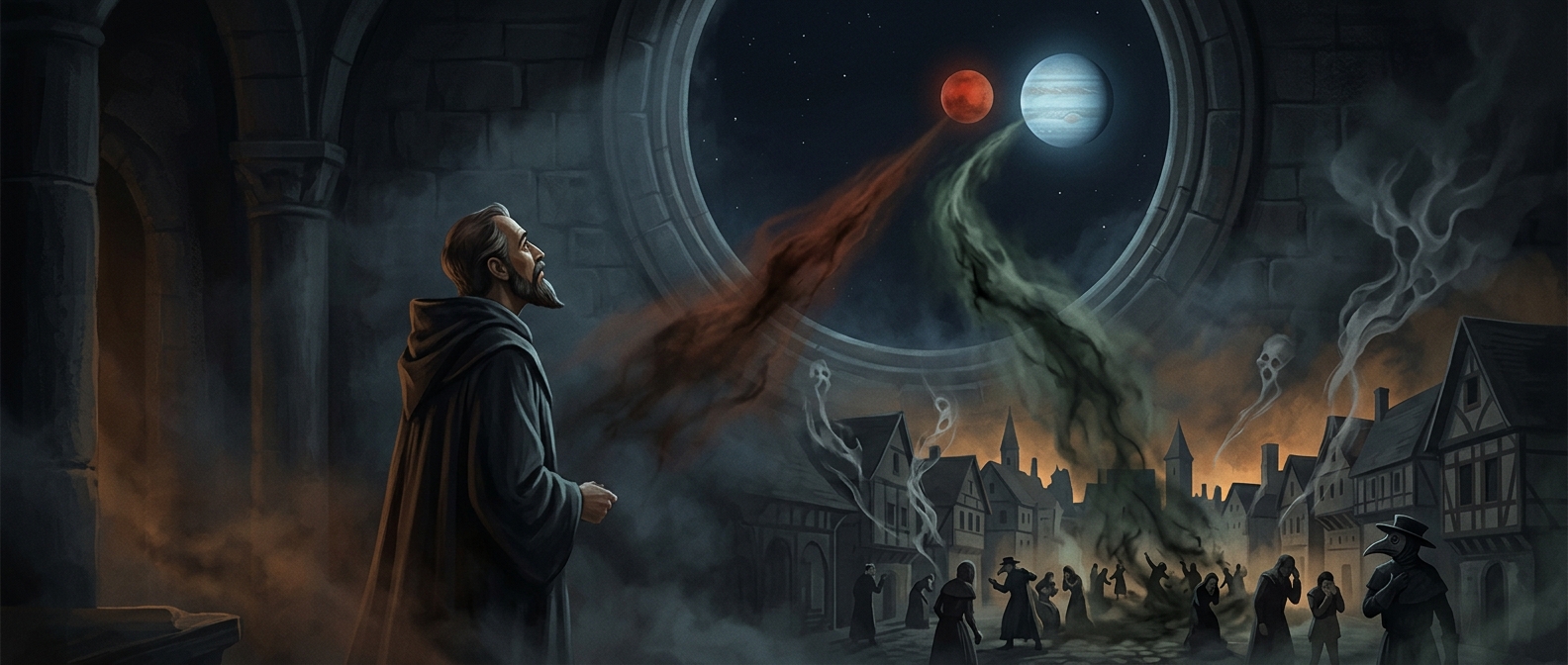
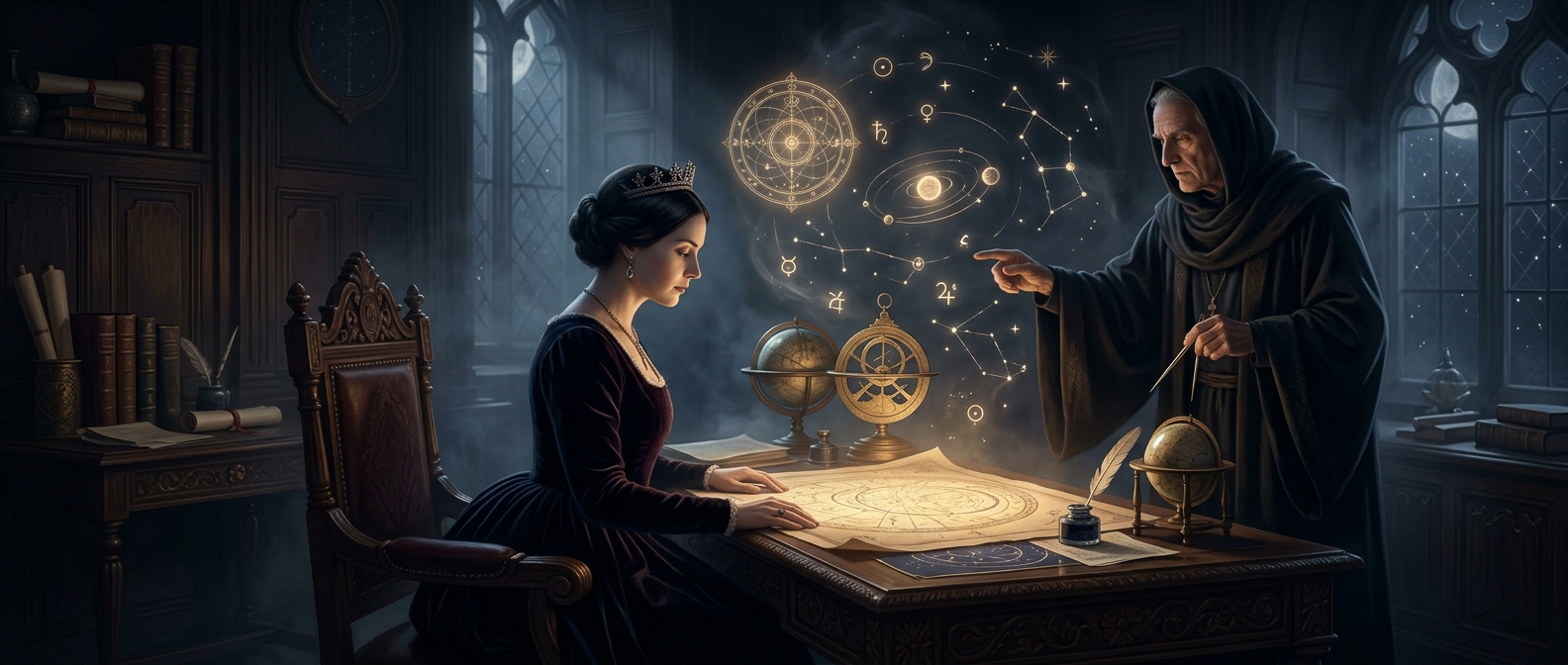
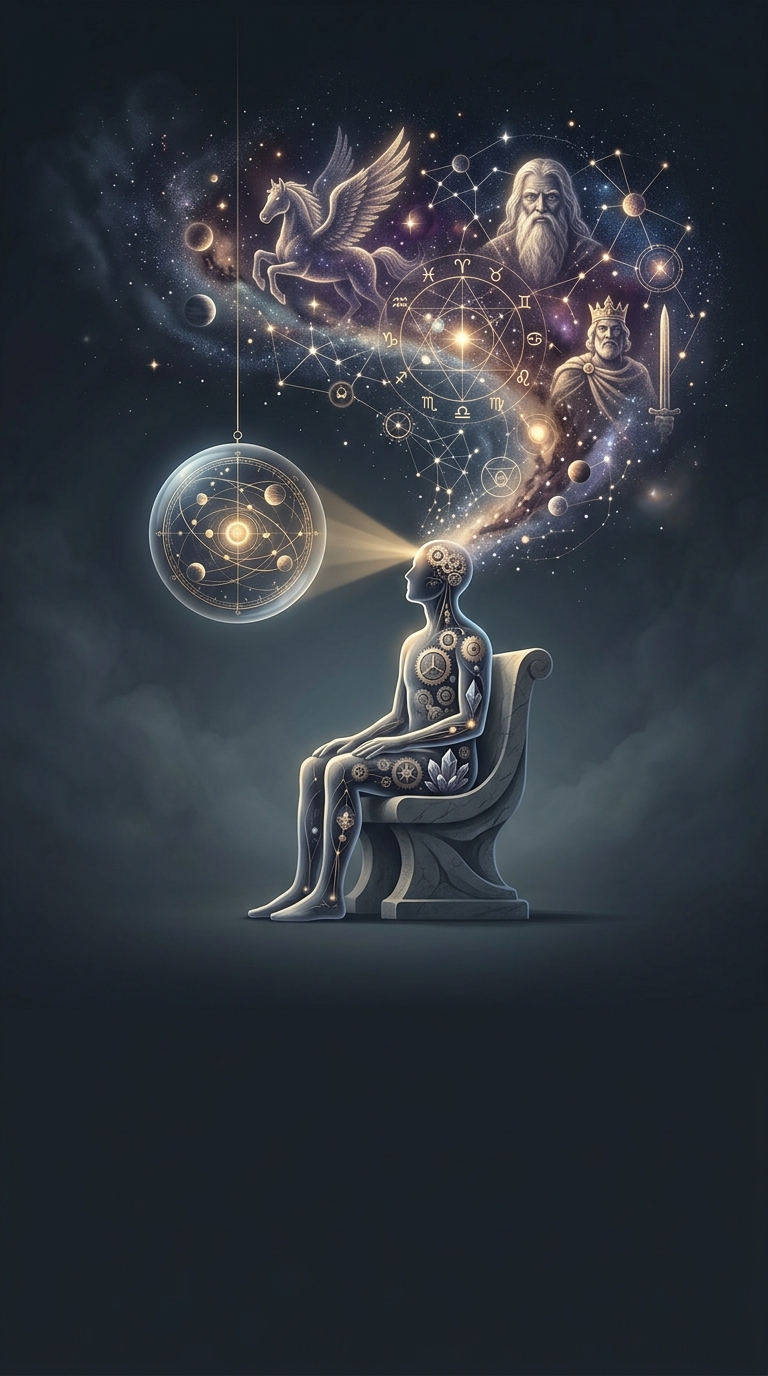
In the book’s model of the cosmos, planets affected earthly life through hidden connections. A talisman—a prepared object meant to carry a magical purpose—could be made to align with one of those connections. The maker matched its image and materials to a planet, then chose a moment when that planet’s position was considered favorable. Incense, spoken formulas, and other ritual acts completed the operation.
These details were not decorative extras. If the parts of the ritual echoed the same planetary identity, the practitioner believed the object would be more closely attuned to that planet. A gemstone or metal was therefore not treated as a battery storing measurable power; its role came from the system of correspondences that linked it to a celestial force.
A different kind of cause and effect
The Picatrix offers a striking example of medieval natural philosophy blending with ritual practice. Its procedures make sense within a worldview in which the sky and the terrestrial world were intertwined, even though planetary influence of this kind is not established by modern science. The enduringly unusual idea is that, in this system, a talisman’s effectiveness depended on coordinating the right object with the right celestial moment—turning a fleeting position in the sky into a planned act on earth.