Why a turbine blade needs a route of its own
A wind-turbine blade is long, light for its size, and curved. That shape helps it capture wind, but makes it difficult to carry: a conventional trailer cannot simply swing a blade around a tight bend without its far end sweeping across other lanes, sidewalks, or roadside obstacles.
Transport planners therefore treat the trip as a route-engineering problem. They check turning space, road width, bridge limits, grades, and overhead clearances, then identify places where traffic signals, signs, or other obstacles may need to be temporarily moved or adjusted. Police escorts and traffic controls help create room for the slow-moving convoy and keep other road users clear of its path.
Steering the load through a corner
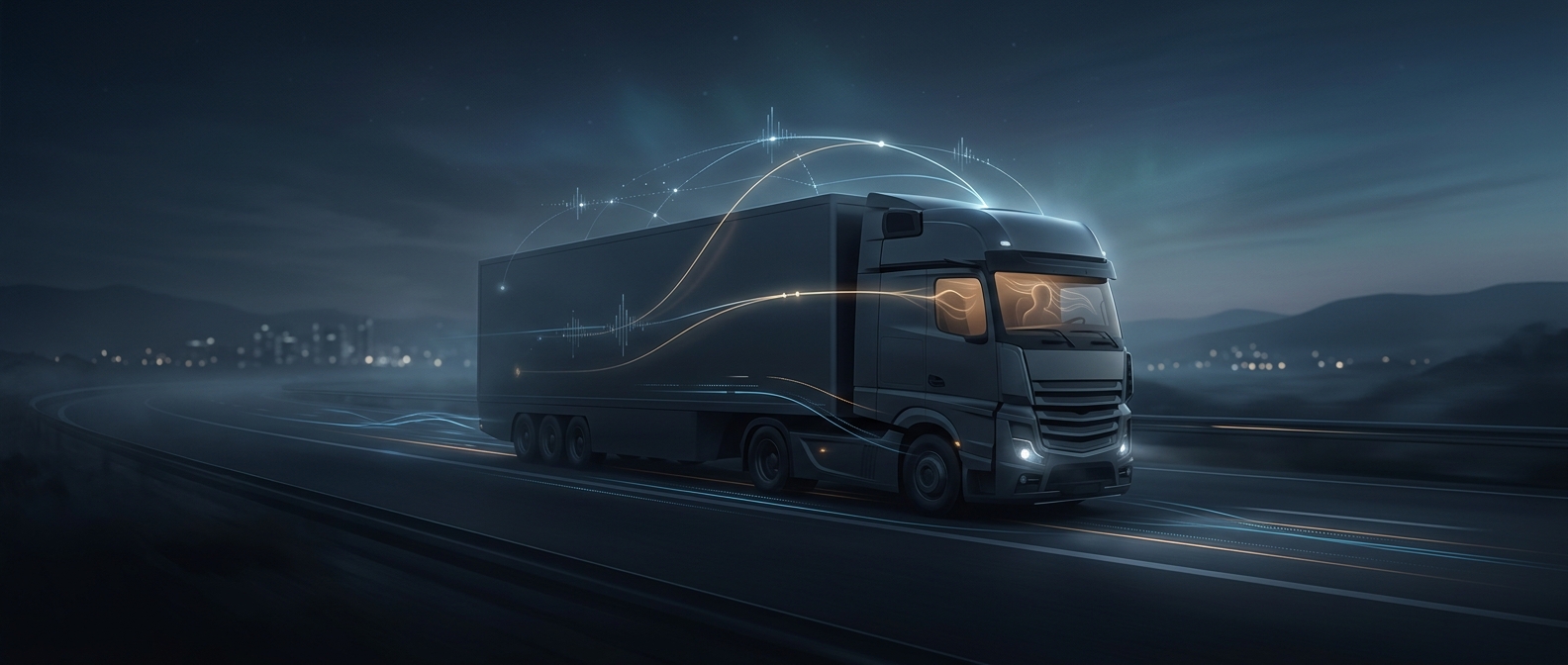
Specialized trailers use multiple axles, and some have wheels that can be steered independently. In certain configurations, an operator at the rear helps steer the trailer while the truck driver controls the front. The rear wheels can guide the load around a turn more tightly than a fixed trailer could, reducing the blade’s sideways sweep.
Even with those systems, a turn is a carefully coordinated maneuver, not a matter of simply turning the steering wheel harder. Drivers must account for the truck’s path, the trailer’s path, and the blade’s position above and behind it. On some routes, equipment can also raise or tilt the blade to clear obstacles or fit through a constrained turn; whether that is possible depends on the vehicle, terrain, and clearance available.
The road shapes the machine
These trips reveal a tradeoff built into wind power: blades need great length to capture energy efficiently, but their size makes delivery a major part of building a wind farm. A site’s access roads and final approach can affect which transport equipment is needed and whether obstacles must be temporarily changed. Before a turbine produces electricity, its largest components must first negotiate an ordinary landscape—one bend, bridge, and clearance at a time.