A flight change takes a route to the screen
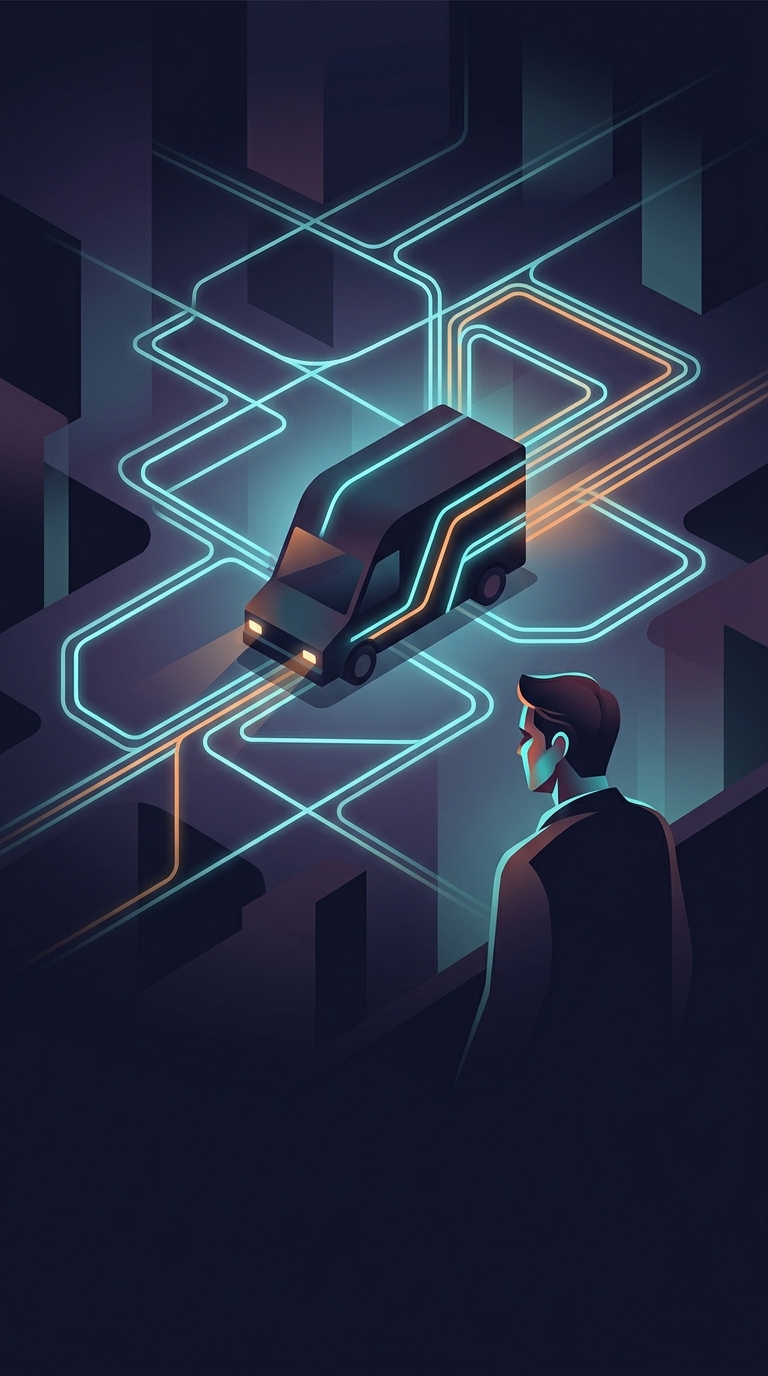
A departure board is the last link in a chain, not a live window into an aircraft’s plans. Flight details are maintained in airline systems and passed to airport software that organizes them for display. That software may collect incoming changes, prepare a refreshed set of entries, and send the set to the screens.
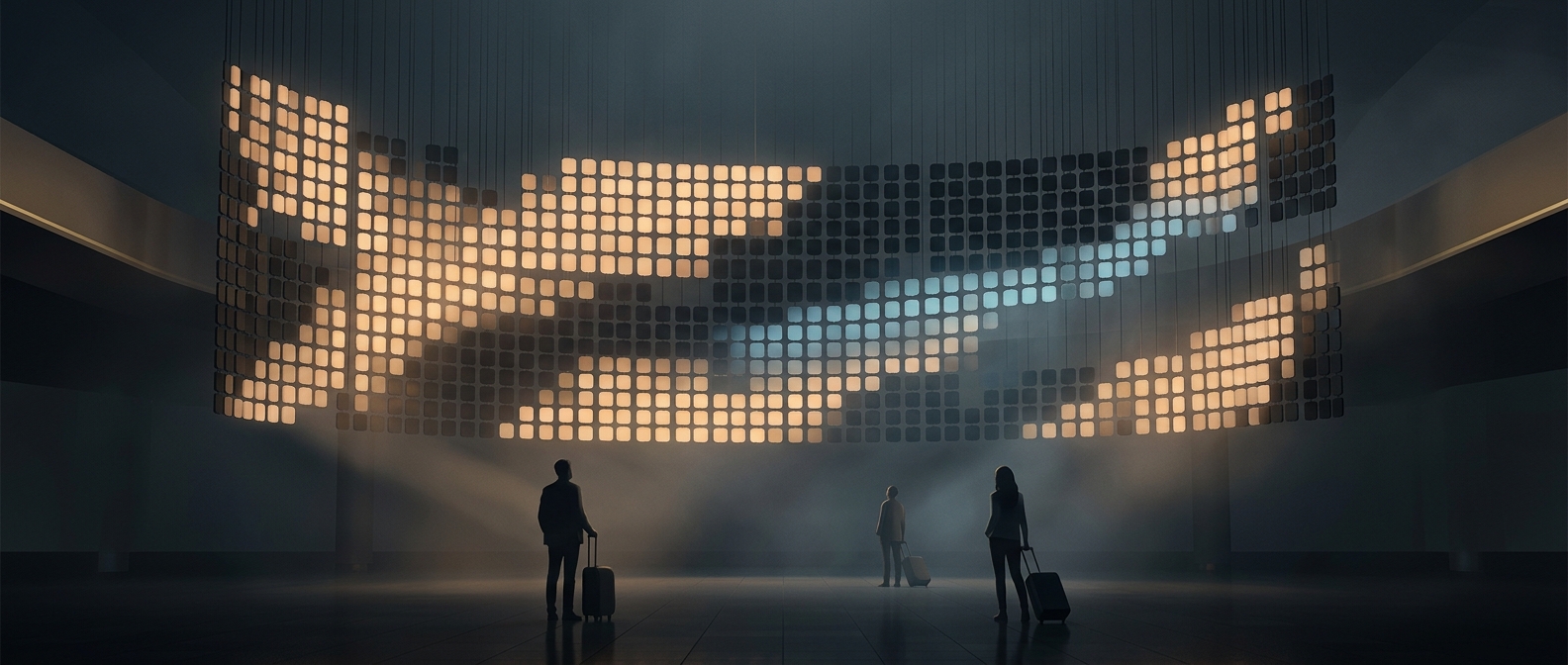
This creates a difference between when information changes upstream and when a traveler sees it. A gate assignment can arrive as an individual update, while the board may show it only at its next refresh. If many entries are refreshed together, the visible result is a sudden cluster of changes.
Why update in batches?
Screens need a consistent, readable view of many flights, and airports must distribute that view across display systems. Refreshing groups of entries can make that process manageable: software can package changes and send them on a schedule rather than treating every screen as a separate, instant conversation with every airline system.
The tradeoff is a brief lag. During it, one source may already contain a new detail while the public display still shows the previous one. The board’s apparent “wave” is therefore a consequence of how information is delivered and presented—not evidence that the flights themselves changed plans together. A row that flips from one gate to another may have been waiting in the same refresh cycle as dozens of unrelated updates.