Why a mule can reach what a road cannot
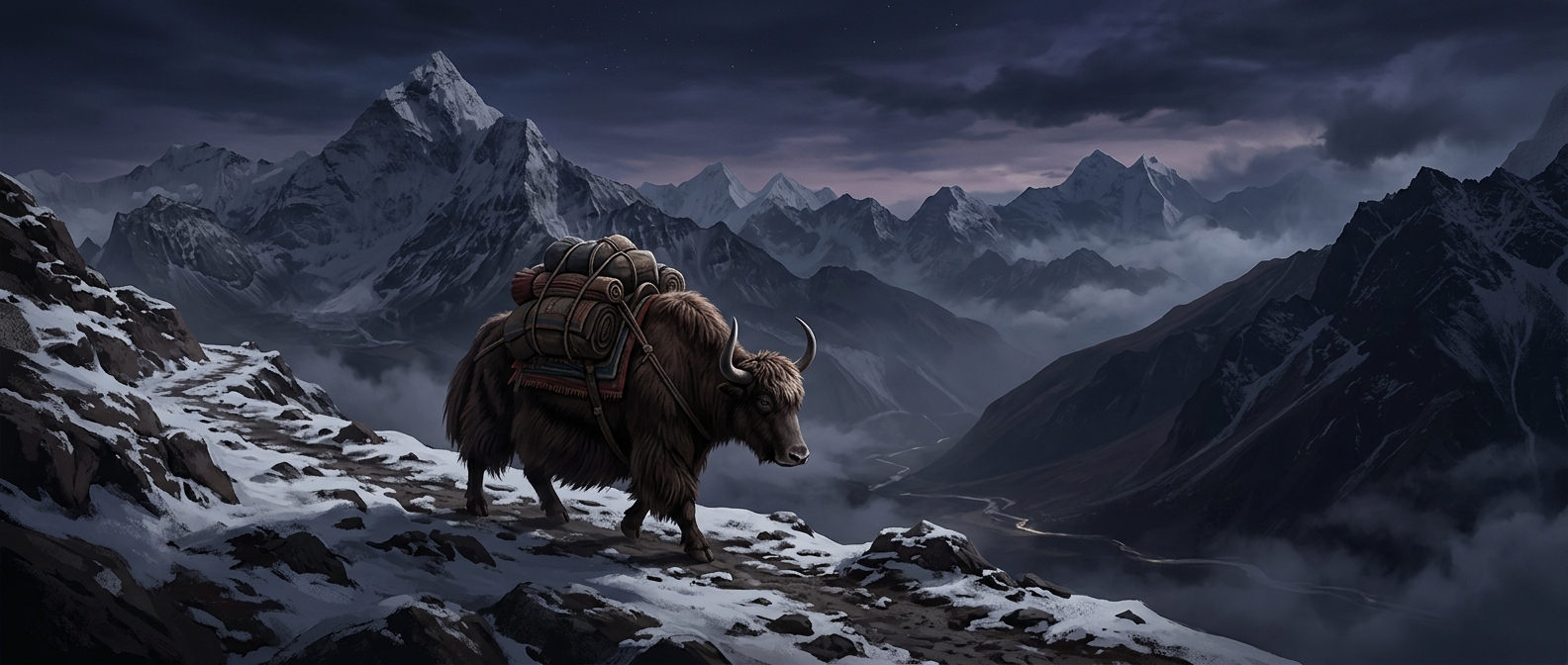
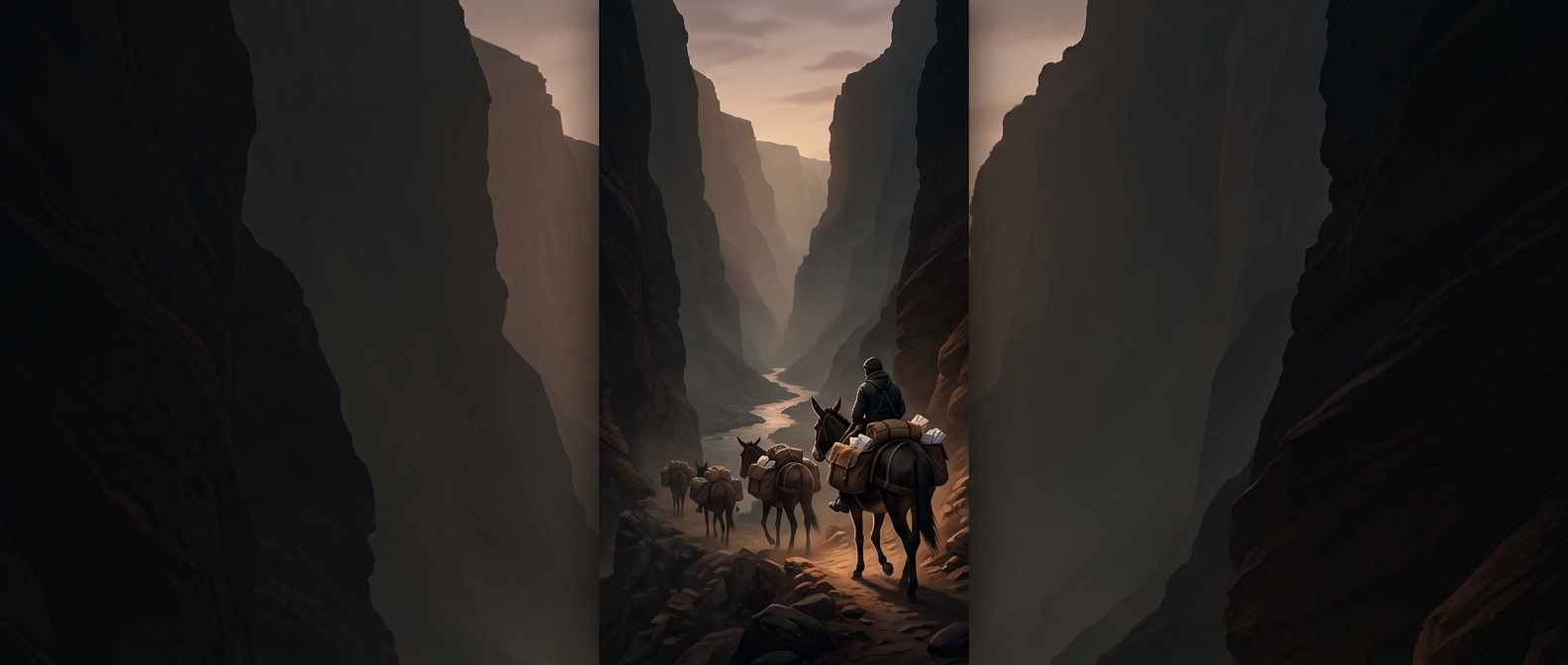
A canyon trail can be too narrow, steep, or uneven for a vehicle, even when people live or work below the rim. A mule can negotiate paths with little room to turn, placing its feet carefully on rocky ground. Its advantage is not speed: it can carry a manageable load where building or driving a road would be impractical.
A delivery is a chain of handoffs
Mail must first reach the trailhead, where it can be sorted and packed into secure bags or containers. A handler then leads the mule along the route, keeping the load balanced and adjusting the pace to the terrain. At the bottom, the mail is handed to its recipients or to whoever continues the delivery process.
That makes the mule one link in a transport system, not a substitute for the whole postal network. The route still depends on people to pack, guide, and distribute the mail—and on a trail that remains passable on foot and hoof.
The terrain sets the terms
A vehicle can move a large load quickly, but only where a road exists. A mule carries less at a time and travels slowly, yet can use a path that would not support wheels. In a canyon, the limiting factor is often access, not distance: a short trip down a sheer slope can demand a different kind of transportation altogether.