How the L0 Maglev Gets Off the Ground
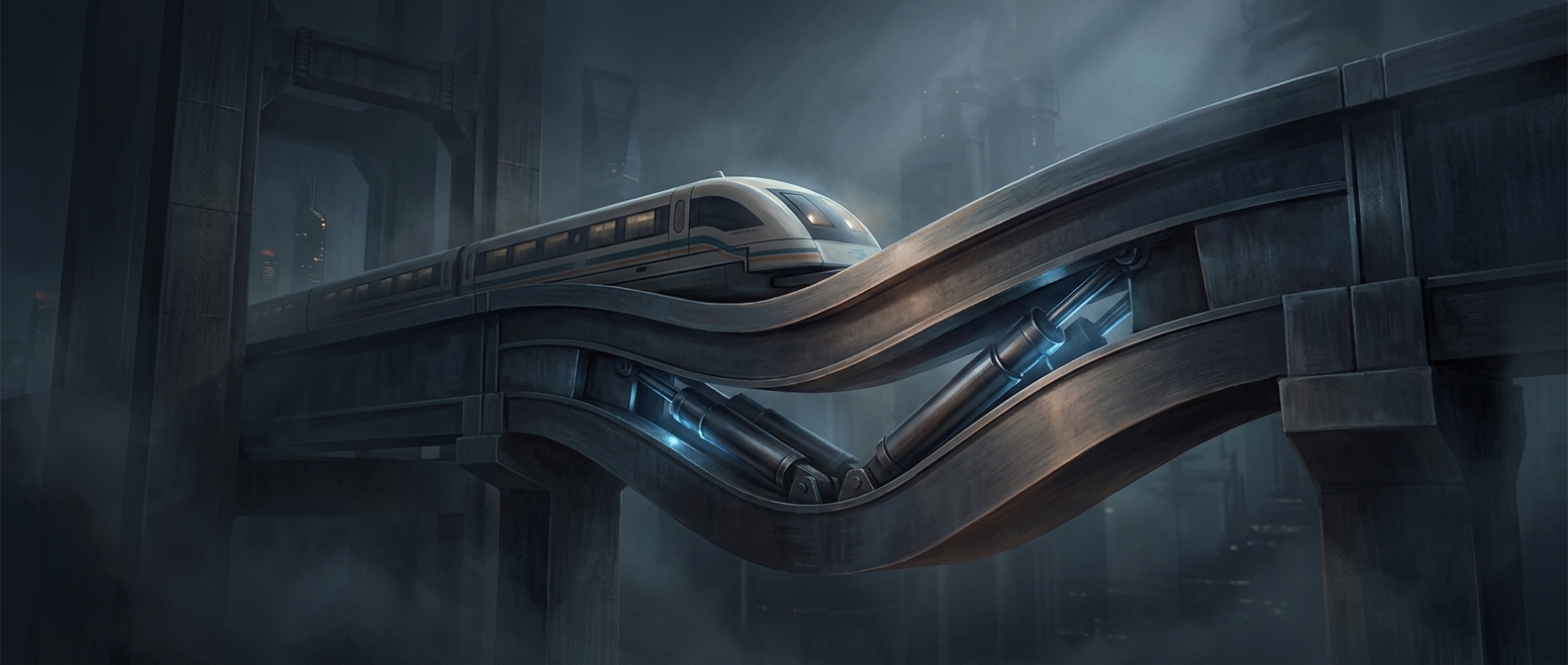
The L0 Series does not float by simply switching on a magnet. Its superconducting magnets—magnets cooled until they can carry electric current with very little resistance—work with coils built into the guideway. As the train moves, those coils create magnetic forces that lift and guide it. Separate coils produce a traveling magnetic field that pulls the train forward, much like a motor unrolled along the track.
The system depends on motion. At low speeds, the train rides on rubber wheels; magnetic lift takes over as it accelerates. That means the wheels are not eliminated so much as needed only for the slow parts of the journey.
The Track Becomes Part of the Machine
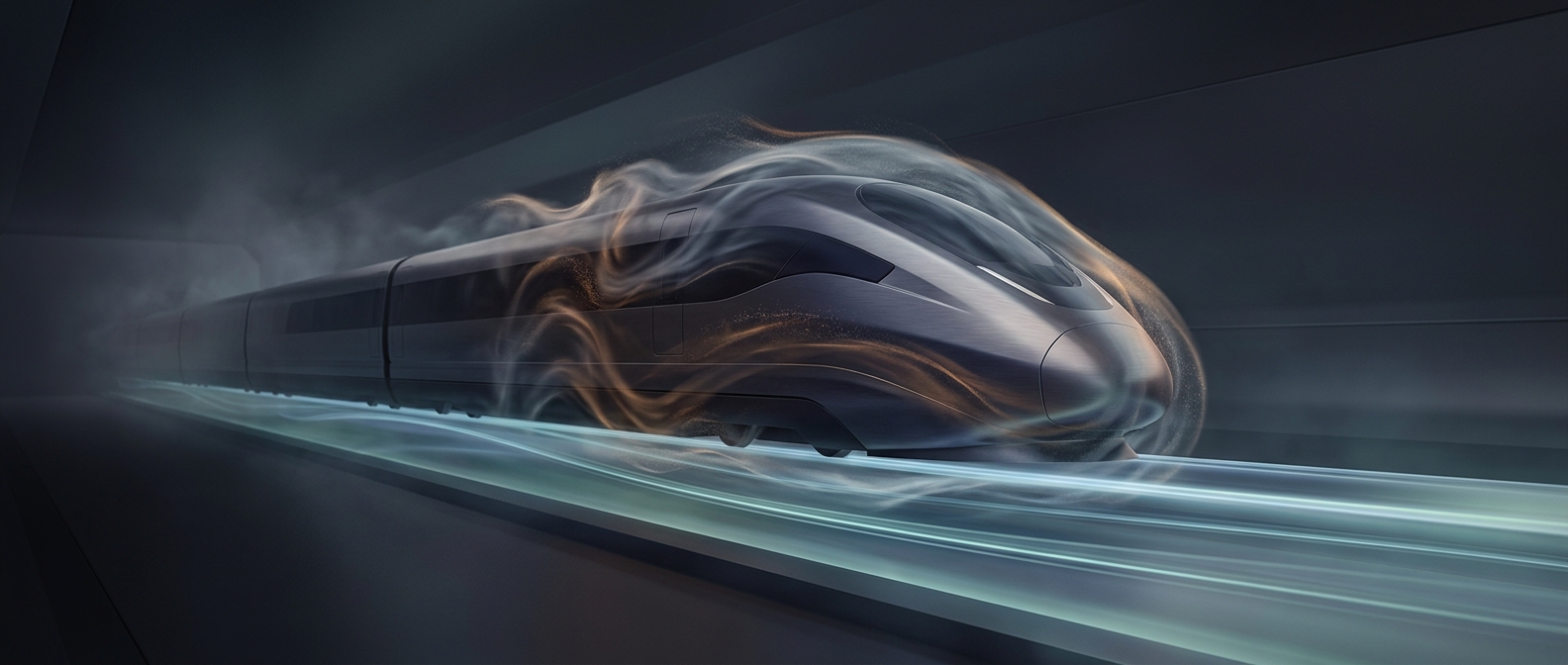
A conventional train can use rails for both support and guidance. The L0 instead relies on a purpose-built guideway whose coils must be accurately positioned and powered. With no wheel-to-rail contact at high speed, there is far less friction at the train’s running gear, but the vehicle still pushes through air. At extreme speeds, aerodynamic drag becomes a major obstacle, demanding substantial energy and careful shaping of the train.
That tradeoff helps explain why a record-setting test is not the same as ordinary passenger service. A maglev route requires specialized infrastructure along its length, while the train’s top speed is only one part of the practical journey: acceleration, braking, station spacing, and operating costs matter too.
A Record Built on a Dedicated Route
The L0’s remarkable speed was achieved on Japan’s test line, where engineers could evaluate the train and guideway as a single system. Its achievement shows what magnetic propulsion and lift can do when the route is designed around them—but also why such speeds cannot simply be added to an existing railway. The track is not just where the train runs; it is an active part of the motor and guidance system.