How a weather report becomes a sky
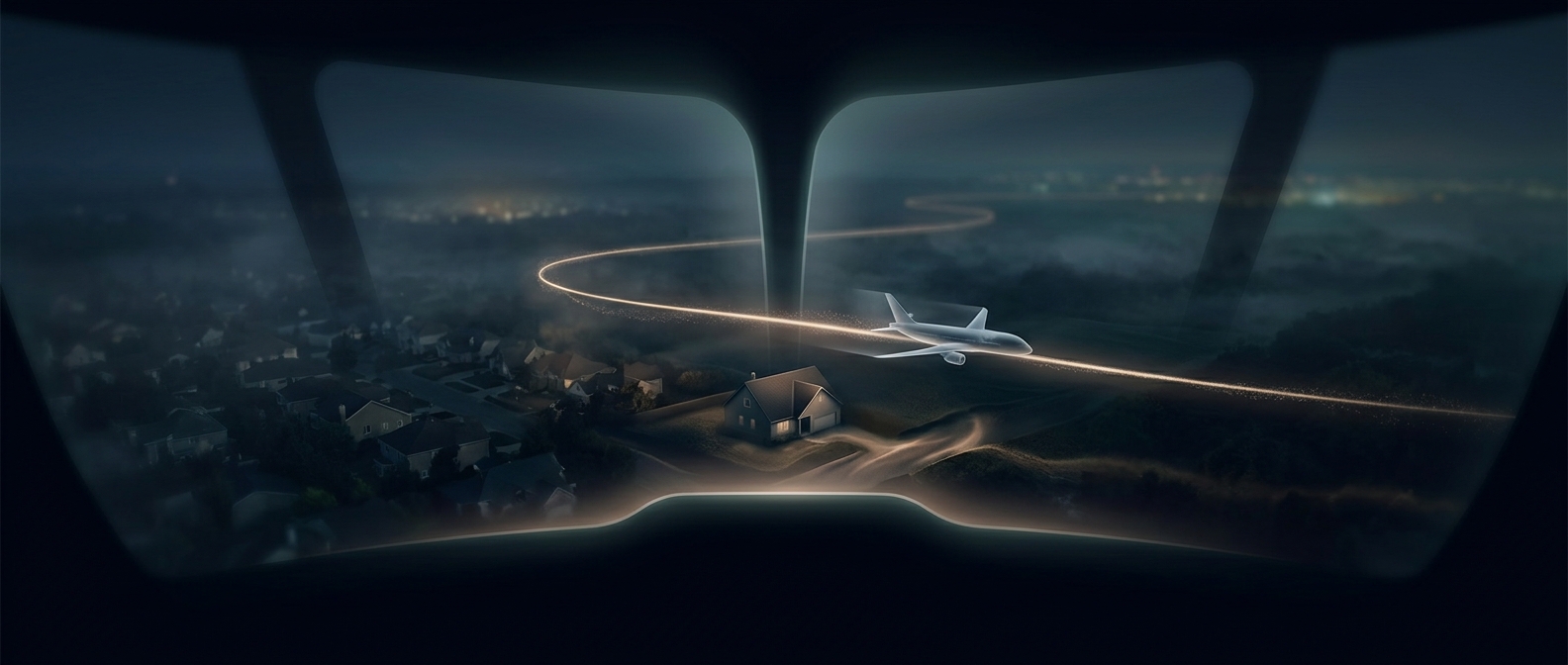
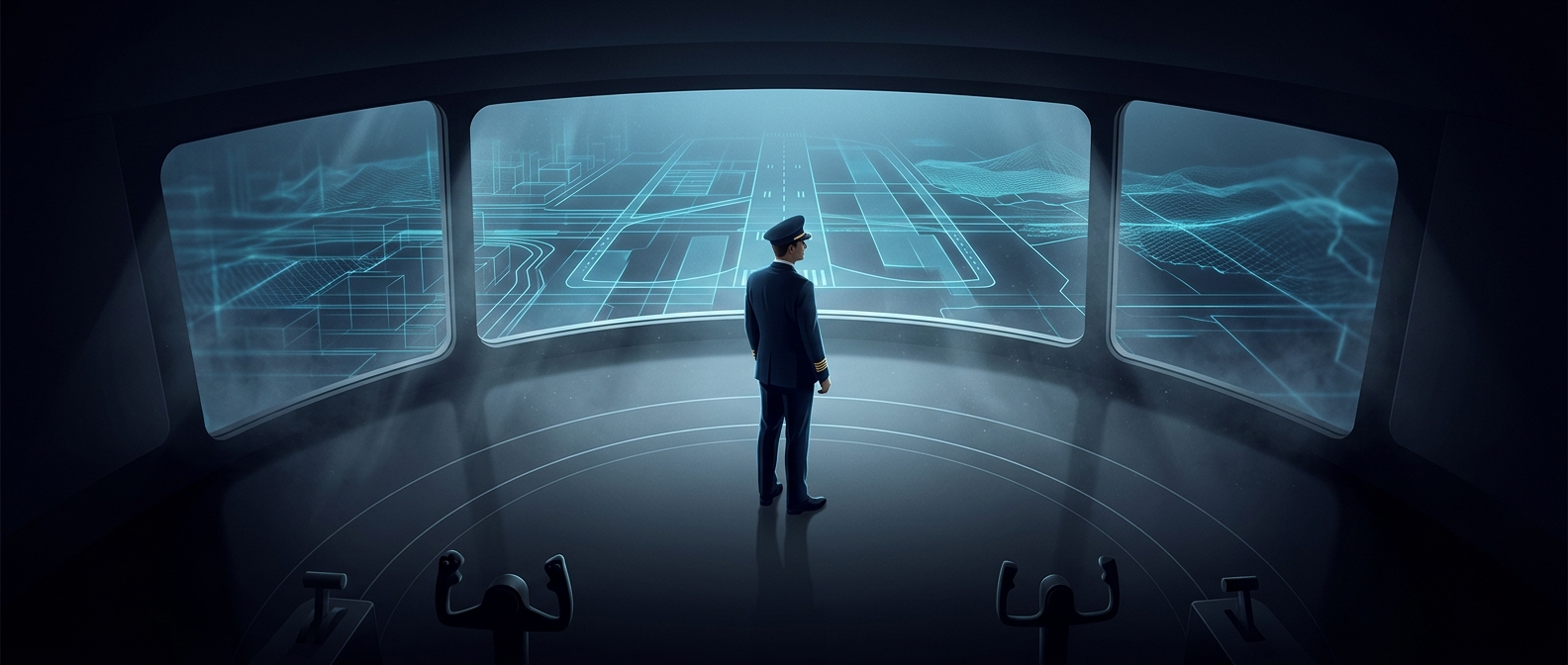
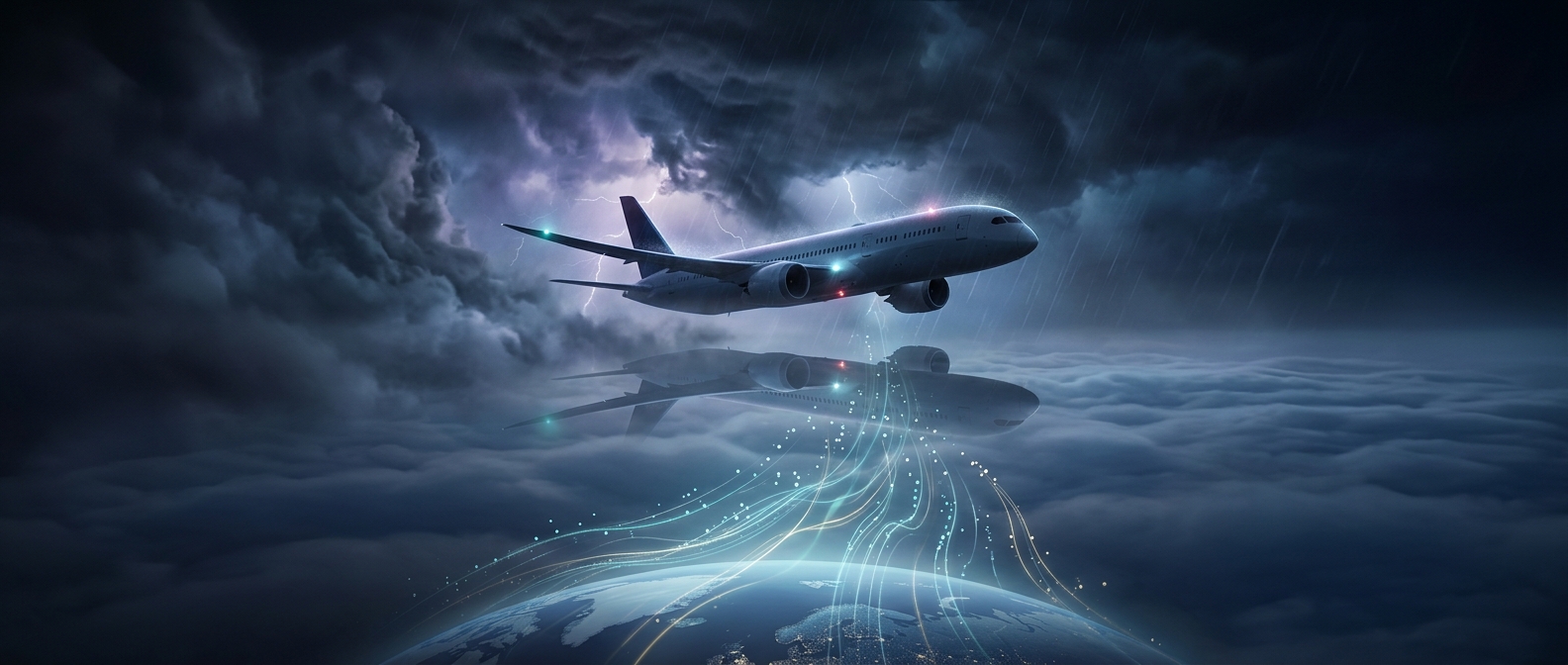
A real storm is not simply copied into the simulator as a moving object. Weather observations and forecast data describe conditions across broad areas; the game turns that information into values its aircraft and graphics can use, such as wind direction, cloud layers, precipitation, and visibility. Because weather data is patchy between observation points, the simulator has to fill in the spaces and represent conditions across its virtual world.
That translation connects two different systems: the atmosphere changes continuously, while a game needs workable rules for rendering clouds and calculating how air affects a plane. The result can resemble the weather outside, but it is a simulation of those conditions, not a perfect duplicate of every gust or raindrop.
Why flying into a storm feels different
Weather matters because it changes the pilot’s job, not just the view. Wind can push an aircraft off course or make takeoff and landing more demanding. Clouds and rain can obscure the horizon and landmarks, making it harder to judge position by sight. In a hurricane, strong winds and poor visibility turn a routine route into a serious challenge within the game’s flight model.
That makes real-world weather a kind of constantly changing scenario generator. The same airport can offer a clear approach one day and a turbulent, low-visibility arrival another. And unlike a real pilot, a player can experiment with the storm, learn how conditions affect the aircraft, and restart after a mistake.