Why a short blast can injure hearing
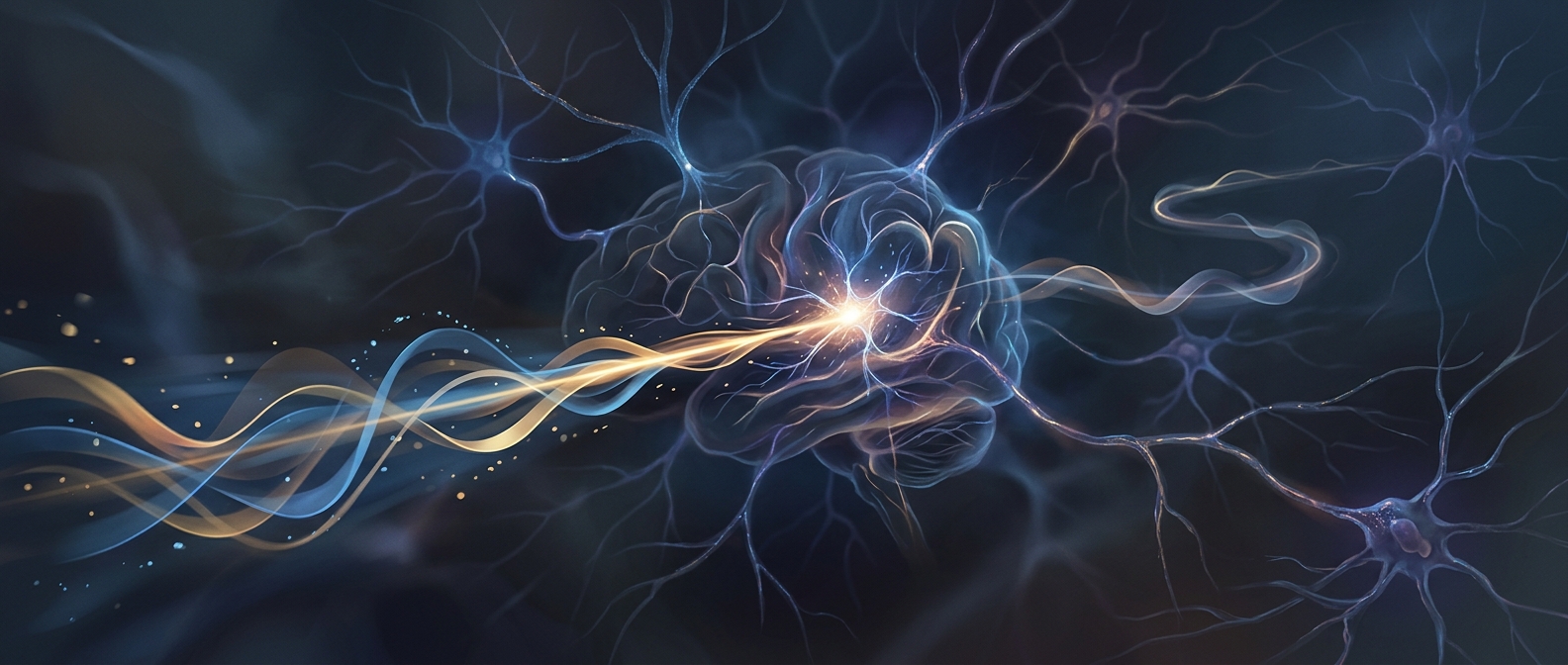
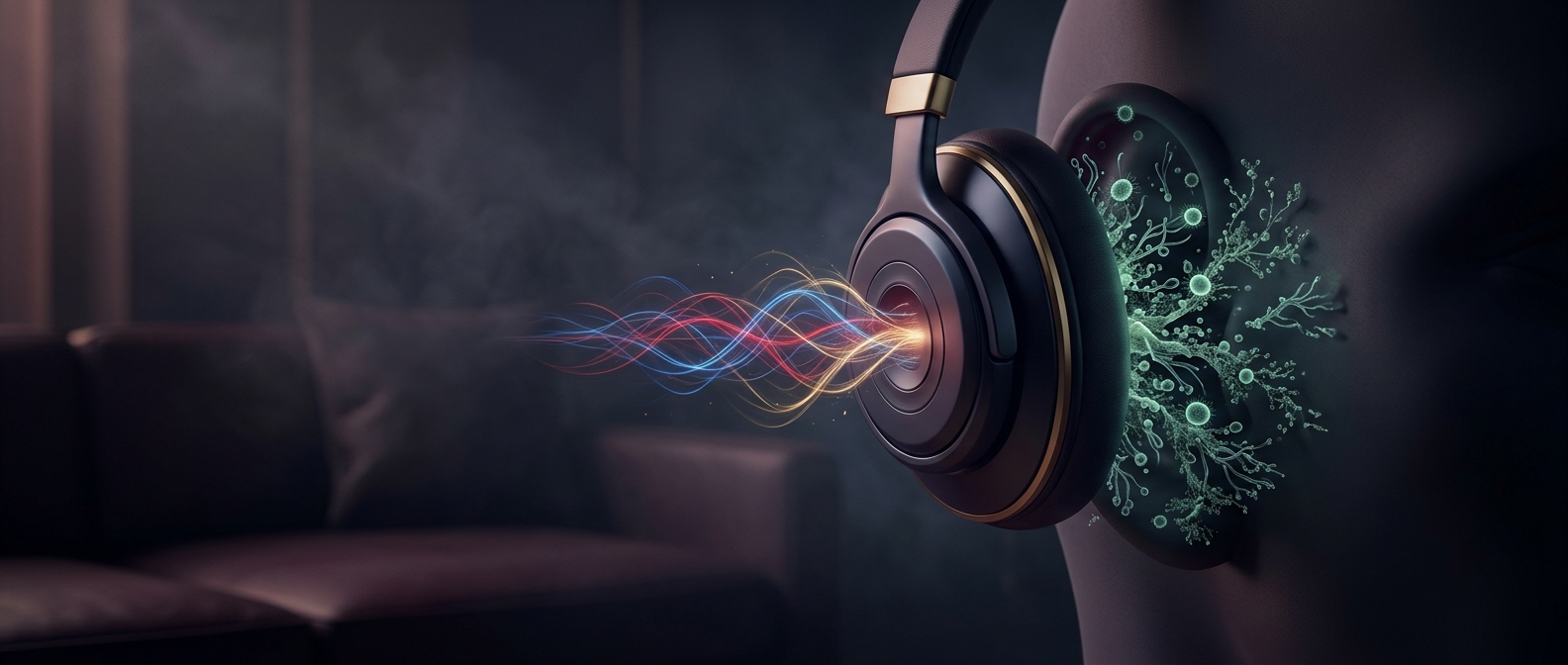
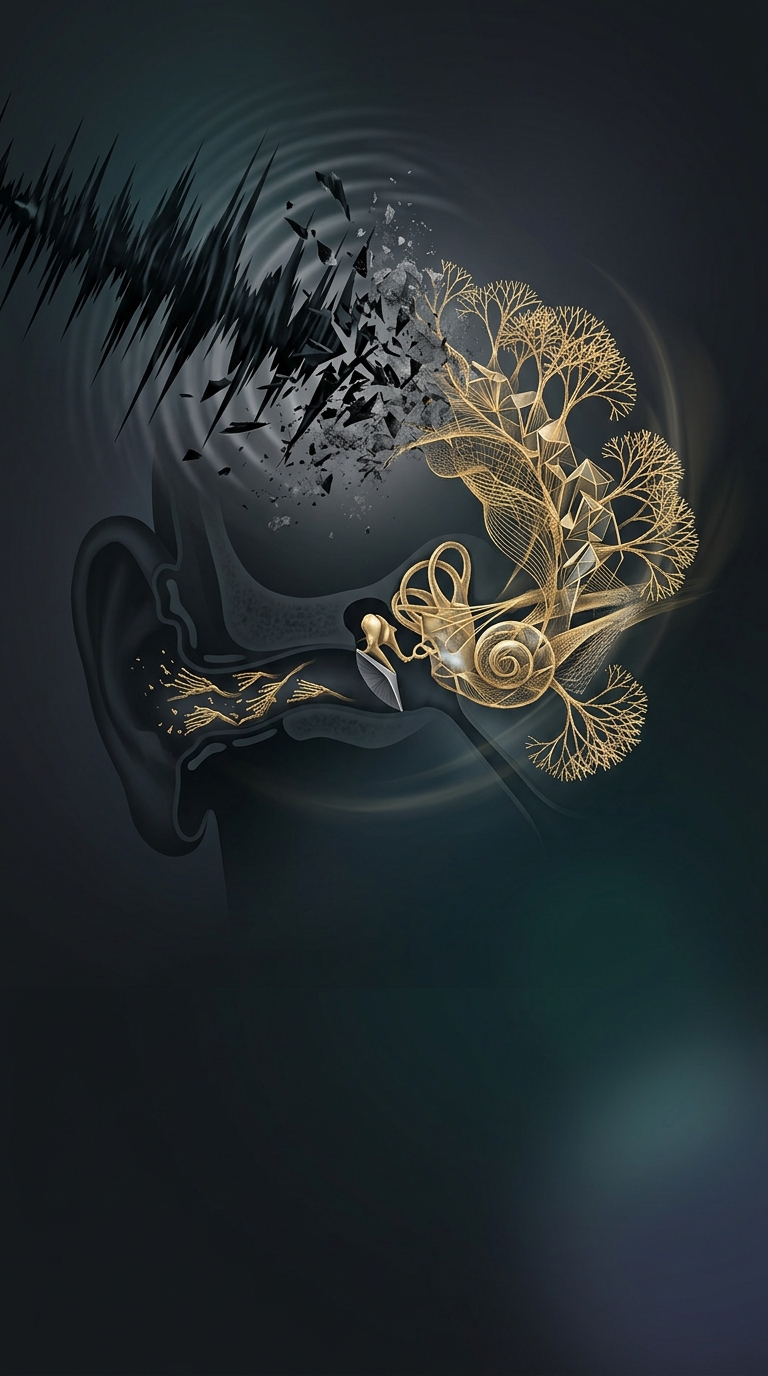
A firecracker does not need to last long to overwhelm the ear. Its sharp pressure wave reaches the eardrum and sets the tiny bones behind it vibrating. Those bones pass the motion into the cochlea, a fluid-filled structure in the inner ear. There, rows of microscopic hair cells convert movement into electrical signals the brain recognizes as sound.
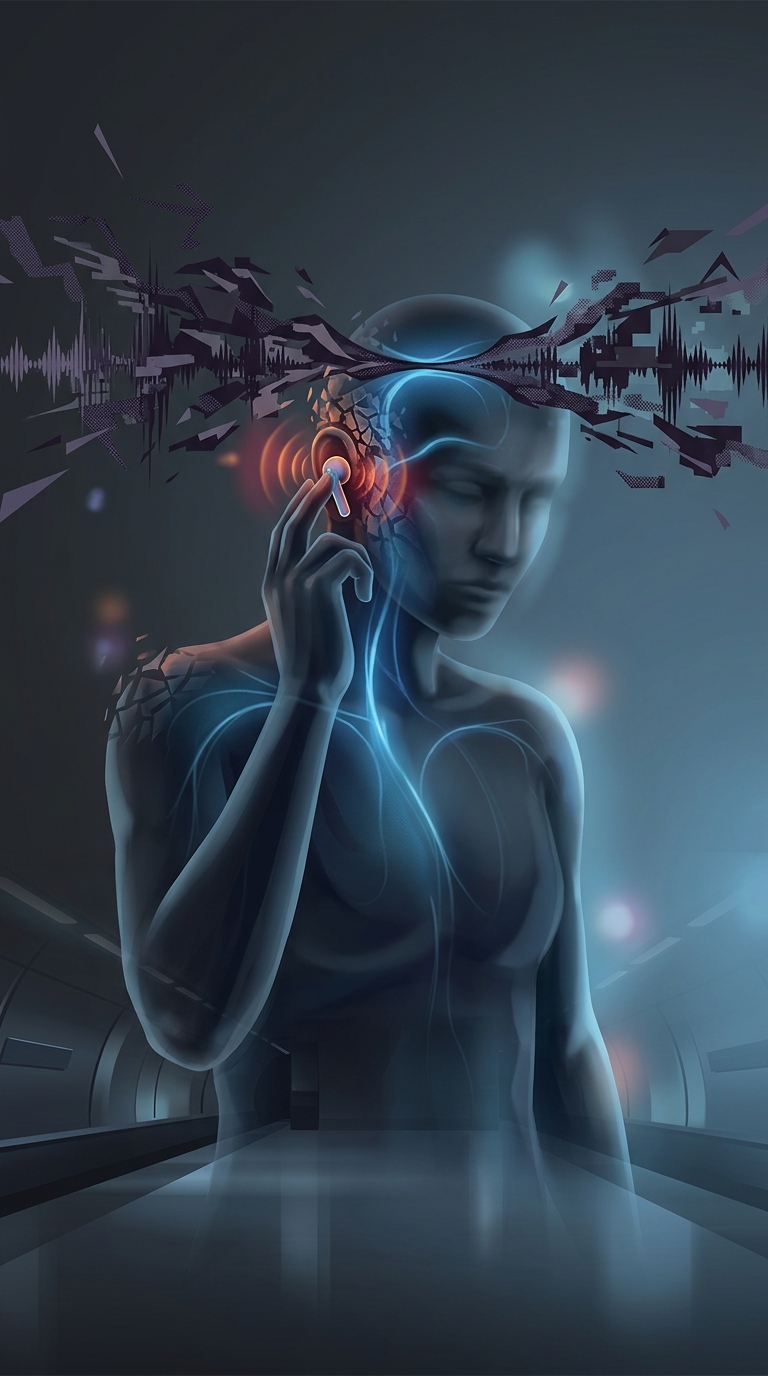
An intense impulse can bend or disrupt these cells and the connections that carry their signals. Because hair cells in the human inner ear do not reliably grow back, damage can leave a lasting gap in hearing—often affecting particular pitches rather than making every sound equally faint. The blast can also injure the eardrum or middle ear; the precise damage depends on the sound’s intensity, distance, and surroundings.
What the aftermath can feel like
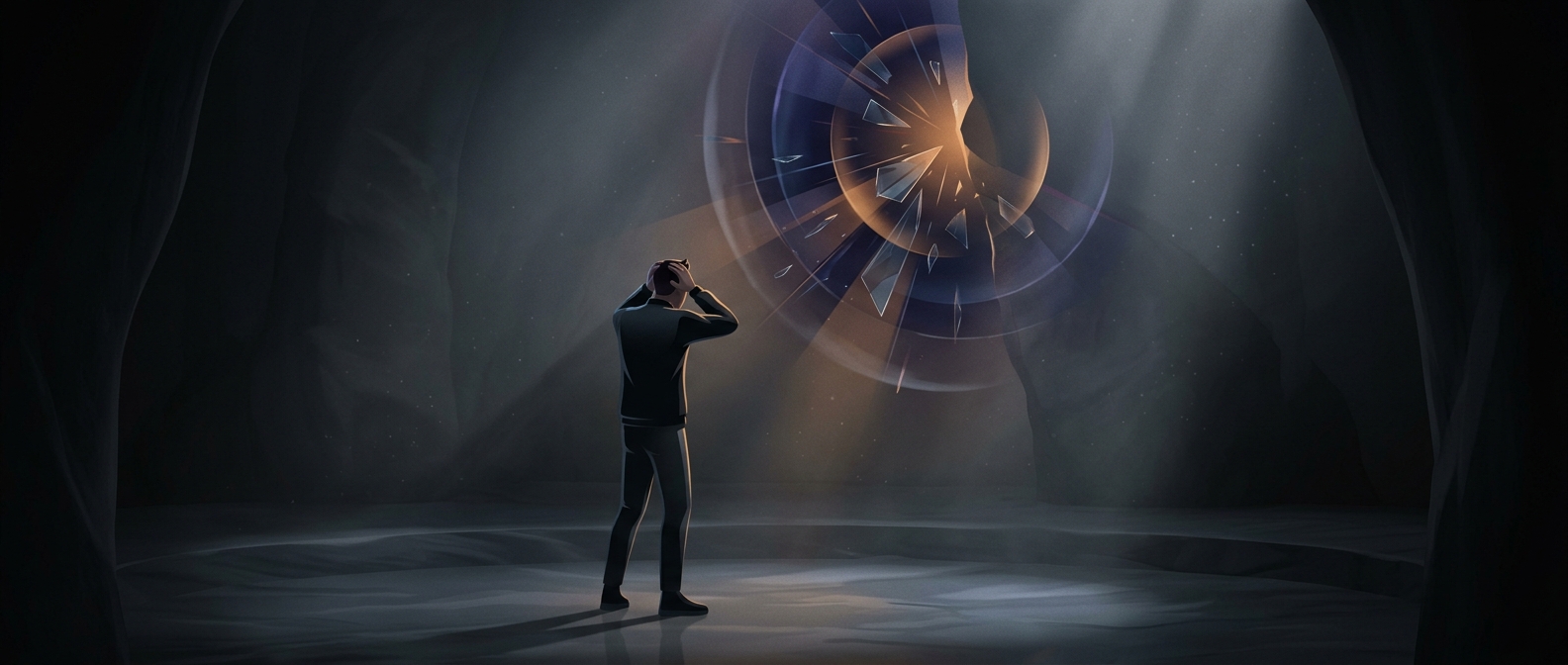
Hearing may seem muffled, or ringing may persist after the noise is gone. Some changes improve as temporary stress on the auditory system settles, but symptoms alone cannot show whether injury is permanent. Sudden hearing loss after a blast warrants prompt medical assessment; waiting to see whether it clears can delay care.
The practical implication is simple: distance and protection matter before the fuse is lit. A brief bang can deliver its most damaging energy before there is time to cover your ears or move away.