Subway noise can push earbud volume higher
The risk is not that earbuds are wireless. It is the combination of loud sound and enough time exposed to it. A subway’s rumble and clatter mask the podcast, so listeners may turn up the volume just to follow speech. The sound reaching the ears then includes both the train and the earbuds.
How loud sound injures hearing
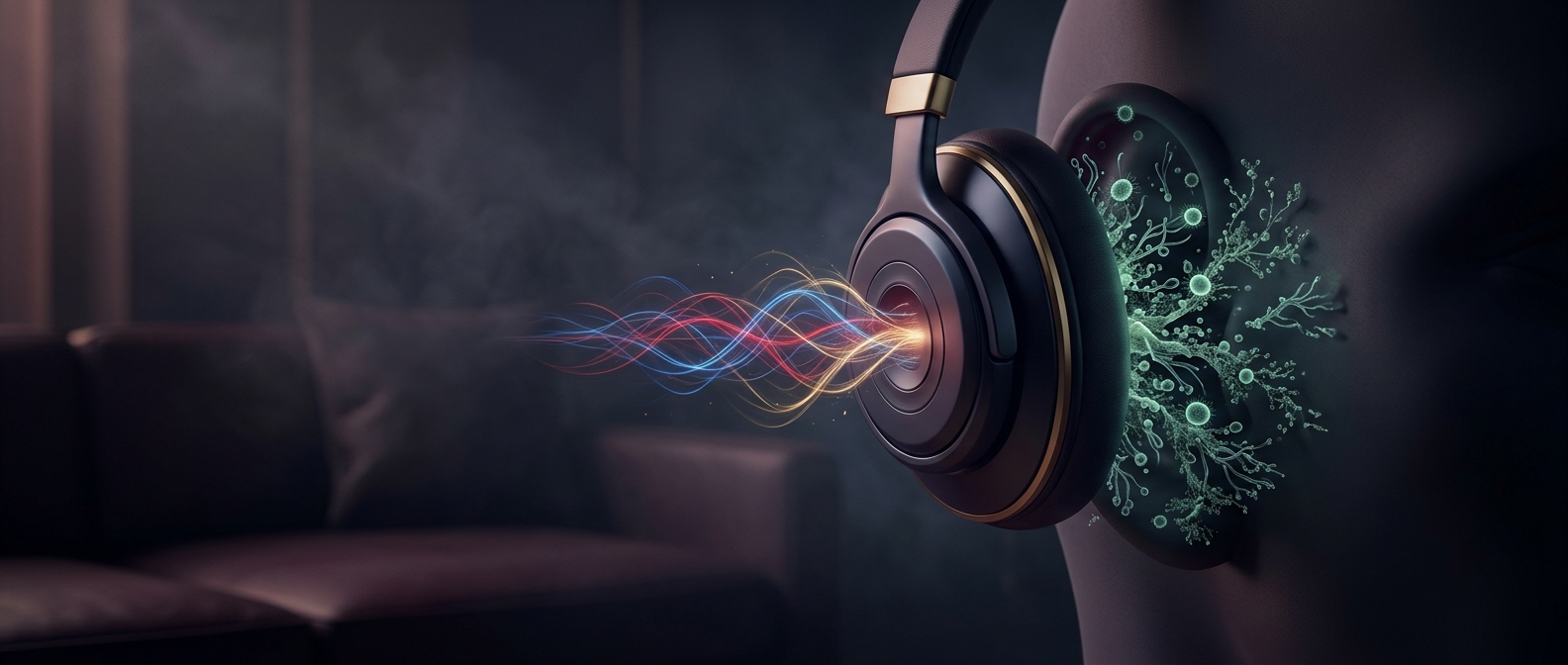
Inside the inner ear, tiny hair cells translate sound vibrations into signals the brain can understand. Very loud sound can strain or damage these delicate cells. Repeated exposure matters too: a level that seems tolerable for a short ride can become harmful when the listening is loud and prolonged, especially alongside other noise exposure during the day.
After a loud trip, muffled hearing or ringing may fade. That does not mean the ears were unaffected; temporary symptoms can be a warning that the sound dose was too high. Damage to inner-ear hair cells can be permanent, and the cells do not reliably grow back.
Make the podcast easier to hear, not louder
Noise-canceling earbuds or a well-fitting pair with sound isolation can reduce the subway noise competing with the podcast. That may make clear listening possible at a lower volume. Taking breaks and keeping the volume down also reduces accumulated exposure. If you need to turn the sound up high to understand speech, or notice ringing or muffled hearing afterward, lower the volume and limit listening time.
The practical danger is a quiet escalation: a noisy commute encourages a louder setting, and repeated rides add to the ears’ total sound exposure.