Why Your Recorded Voice Sounds Unfamiliar
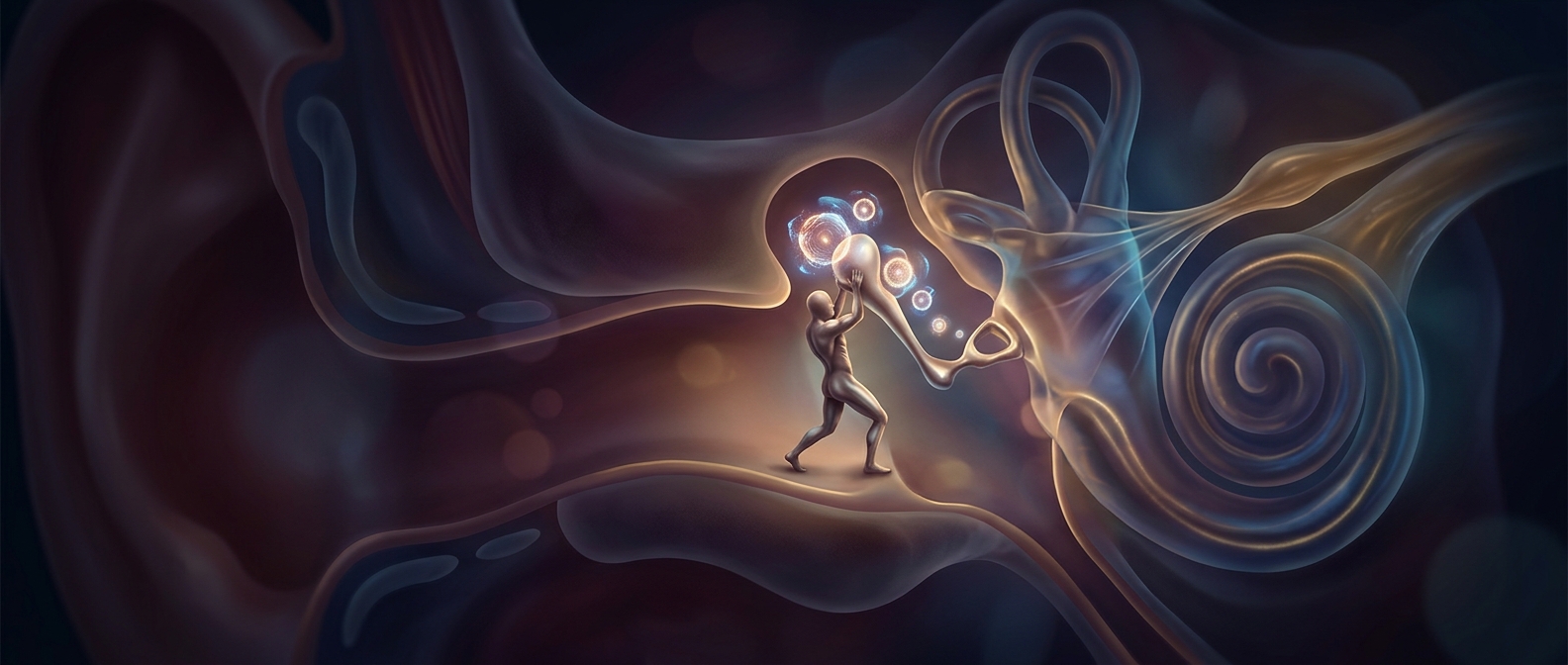
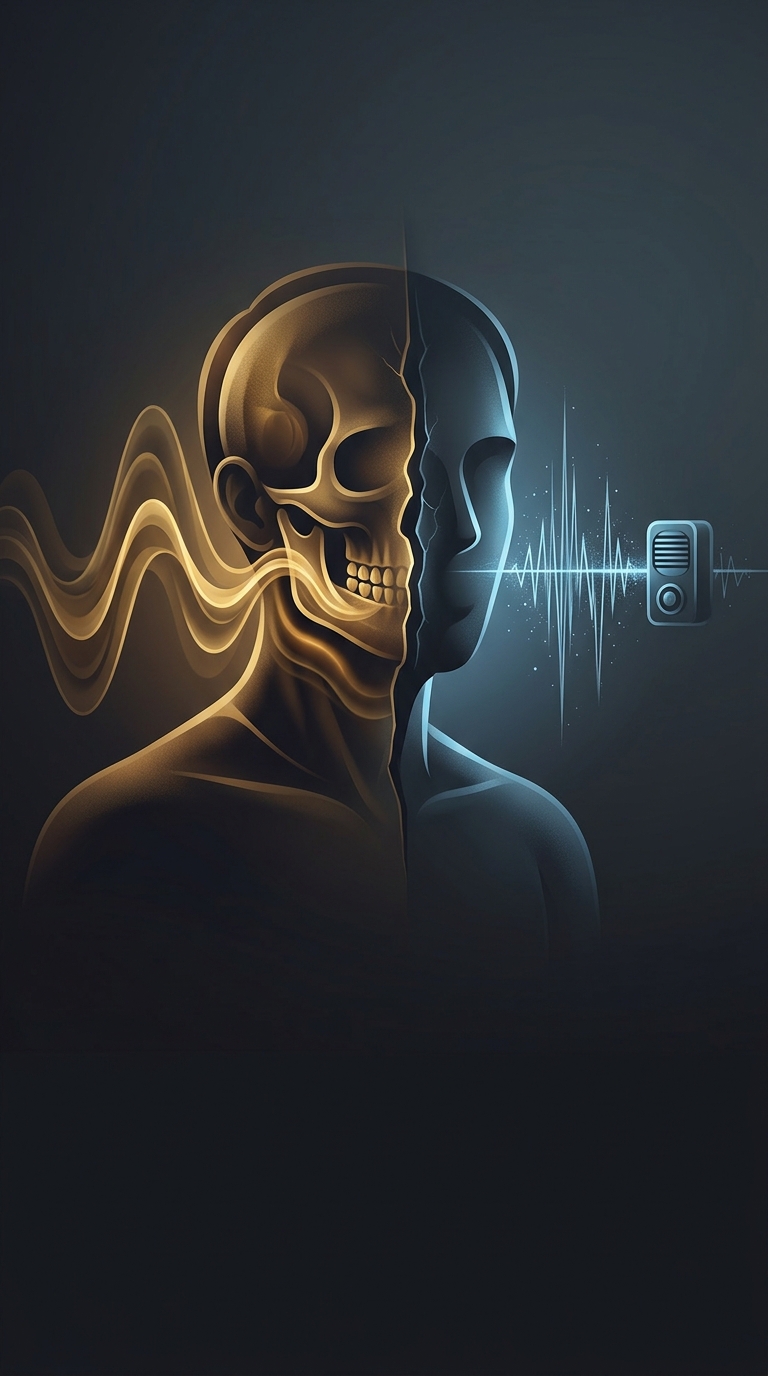
When you speak, your vocal folds set air vibrating in your throat. Those vibrations travel out through the air and into your ear, but they also shake nearby bones and tissues. Vibrations conducted through the skull reach the inner ear by a different route—a process called bone conduction.
The two routes do not deliver identical sound. Bone conduction tends to add more low-frequency resonance to the voice you hear while speaking, giving it a fuller, deeper quality. A microphone mainly picks up sound traveling through the air, the route other people hear. Playback therefore lacks some of the resonance you experience from inside your own head.
Your Brain Learns That Sound as “You”
Because you hear yourself while speaking every day, your brain treats the combined sound from both routes as familiar. A recording removes one part of that blend, so the voice can seem thinner or higher than expected. The surprise is partly perceptual: you are comparing playback not with an objective memory of your voice, but with a version you normally hear through your head as well as the air.
A recording is not a perfect copy of what another person hears, either. Microphone distance, room acoustics, and playback equipment can all alter the sound. But the missing bone-conducted component explains much of the basic mismatch.
Why Listening Can Help
Repeated exposure can make recorded speech feel less strange. Listening to a few recordings lets your brain build a more accurate expectation of the voice carried through the air. The next time a voice memo sounds startling, remember: it is not revealing a secret cartoon voice so much as presenting one side of a sound you usually hear through two routes.