Why Your Own Crunch Sounds So Much Bigger
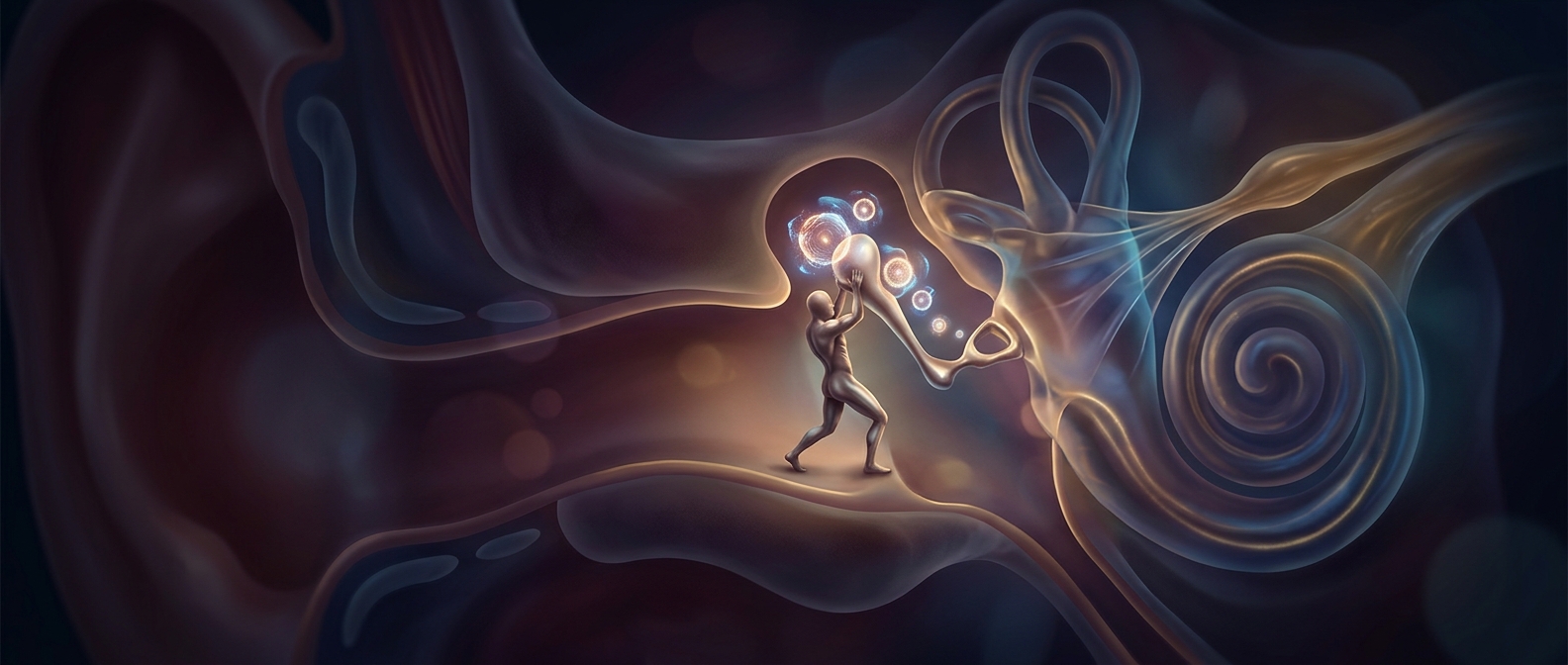
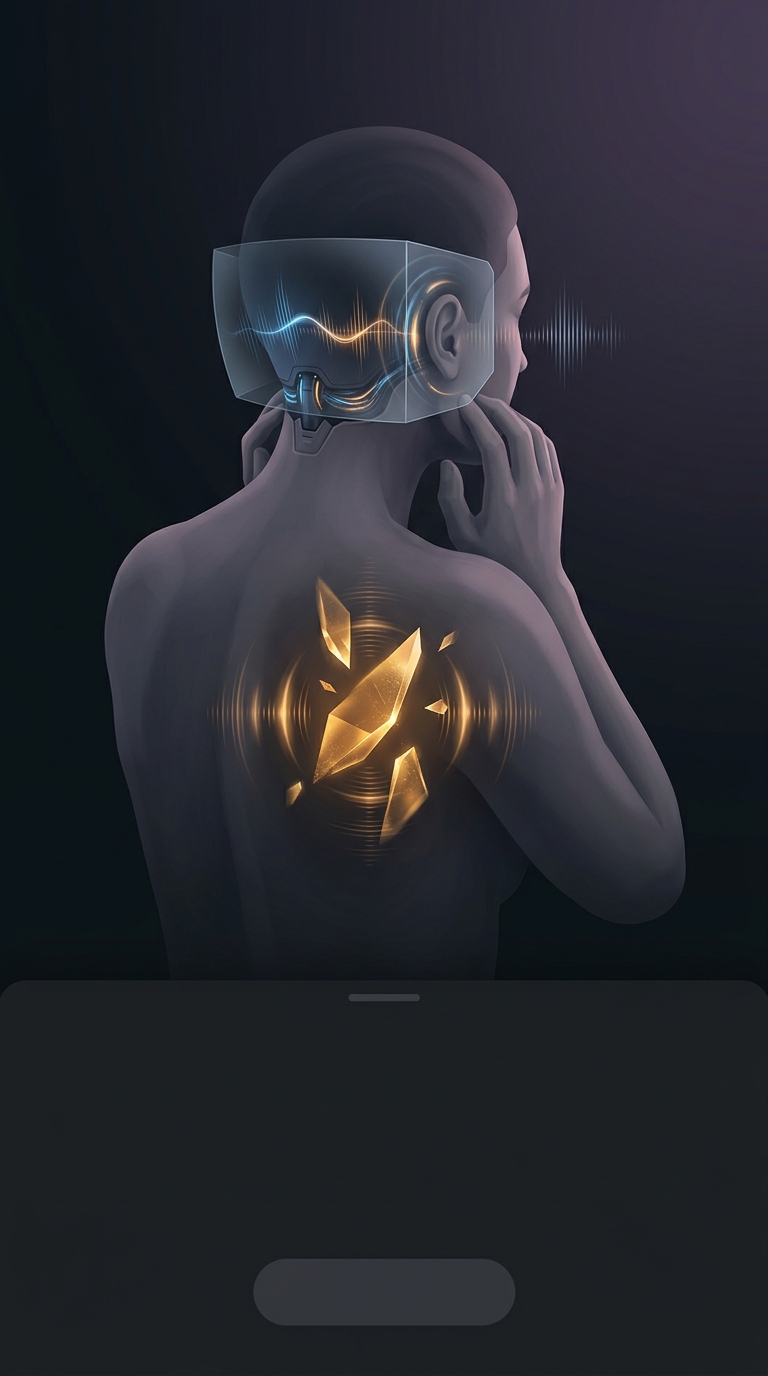
A potato chip breaks into many tiny pieces under your teeth, producing quick, sharp vibrations. When you chew, some of those vibrations travel through your jaw and skull to the inner ear—the bone-conduction route, which carries sound without sending it through the air first. Because the source is inside your head, your ears receive those vibrations directly, alongside the smaller amount of sound that reaches them through the air.
That makes the crunch feel unusually close and forceful. It is not that the chip is producing a huge sound; your hearing is picking up a sound through a pathway that people around you do not share.
Why Other People Hear Less
Your skull does not send all the chewing vibration outward as airborne sound. Much of the energy reaches your own hearing system through your tissues, while only part escapes into the room. By the time that sound travels to someone nearby, it has spread out and weakened. Their ears hear the airborne crunch, not the direct vibration inside your jaw and skull.
The contrast is especially noticeable with crisp foods: brittle chips make abrupt, high-frequency crackles that stand out against the quiet inside your head. The loudness is partly a matter of where the sound is heard, not simply how loud the chewing is in the room.