Why European medicine wanted Egyptian mummies
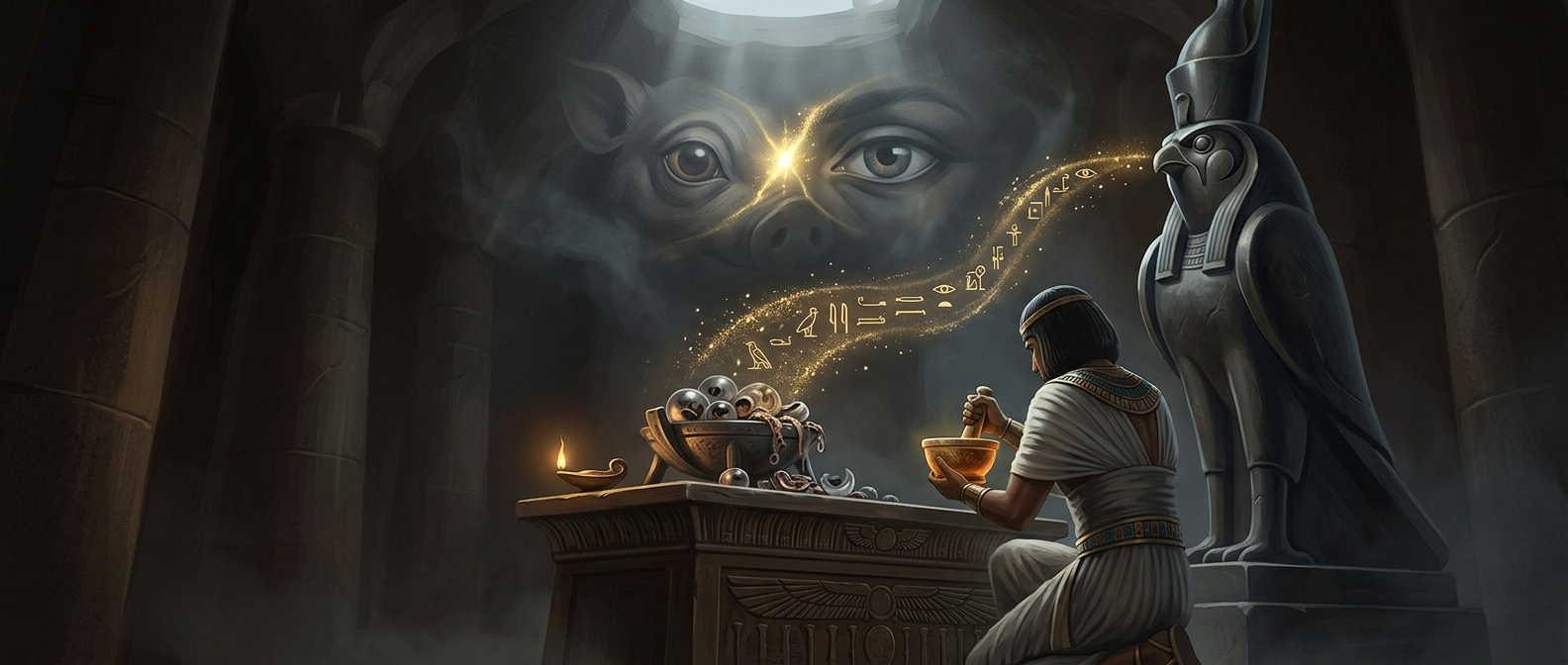
In 16th-century Europe, one prized—and grisly—medicine was mumia: material made from ground-up Egyptian mummies. Apothecaries sold it as a remedy for ailments including bruises and internal bleeding. The treatment rested on the period’s medical beliefs, not on evidence that consuming ancient remains could heal those conditions.
A name that helped create a market
The word mumia originally referred to a dark, bituminous substance—something like natural asphalt—associated with medicinal remedies. As European buyers learned about Egyptian embalming, they came to apply the word to the dark material in mummies and, increasingly, to the bodies themselves. That overlap helped turn embalmed human remains into a marketable drug ingredient.
Demand brought mummies into European trade, where they could be ground and sold through pharmacies. The trade also encouraged substitution: when genuine mummy material was scarce or costly, sellers could offer other dark substances under the same name. The result was a medicine whose identity might be uncertain even before it reached the patient.
The cost of a fashionable cure
The shortage was not simply of ancient burial places: it was a shortage of bodies that traders could obtain and buyers would accept as medicinal mumia. European appetite put pressure on a finite supply of Egyptian remains and helped make disturbing the dead profitable. A remedy meant to treat injury could therefore depend on the removal—and destruction—of someone else’s burial.