The open route around Antarctica
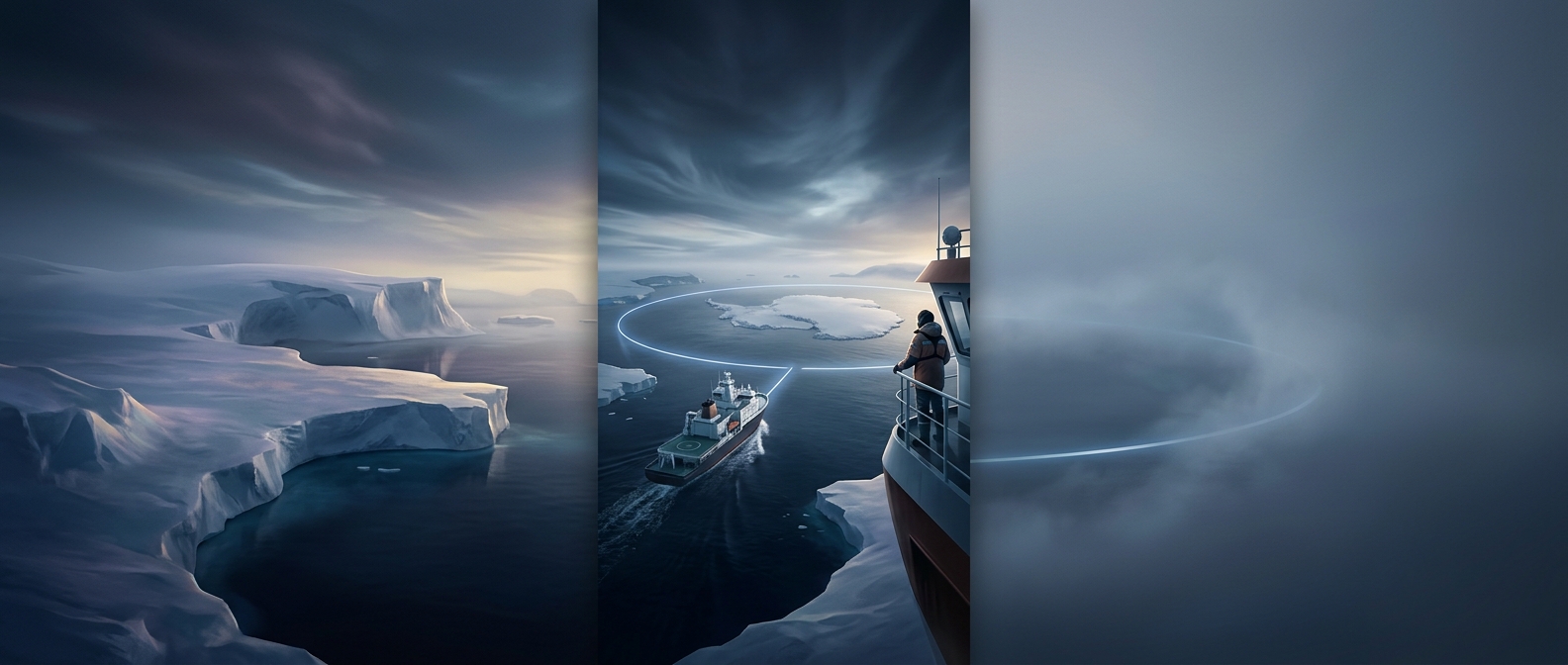
The Southern Ocean is not just a band of water on a map. Around Antarctica, the Atlantic, Pacific, and Indian oceans meet in an uninterrupted path, with no continent closing the loop. The route is narrowest between South America and the Antarctic Peninsula, where the Drake Passage leaves water free to flow between the major ocean basins.
Why the current can keep circling
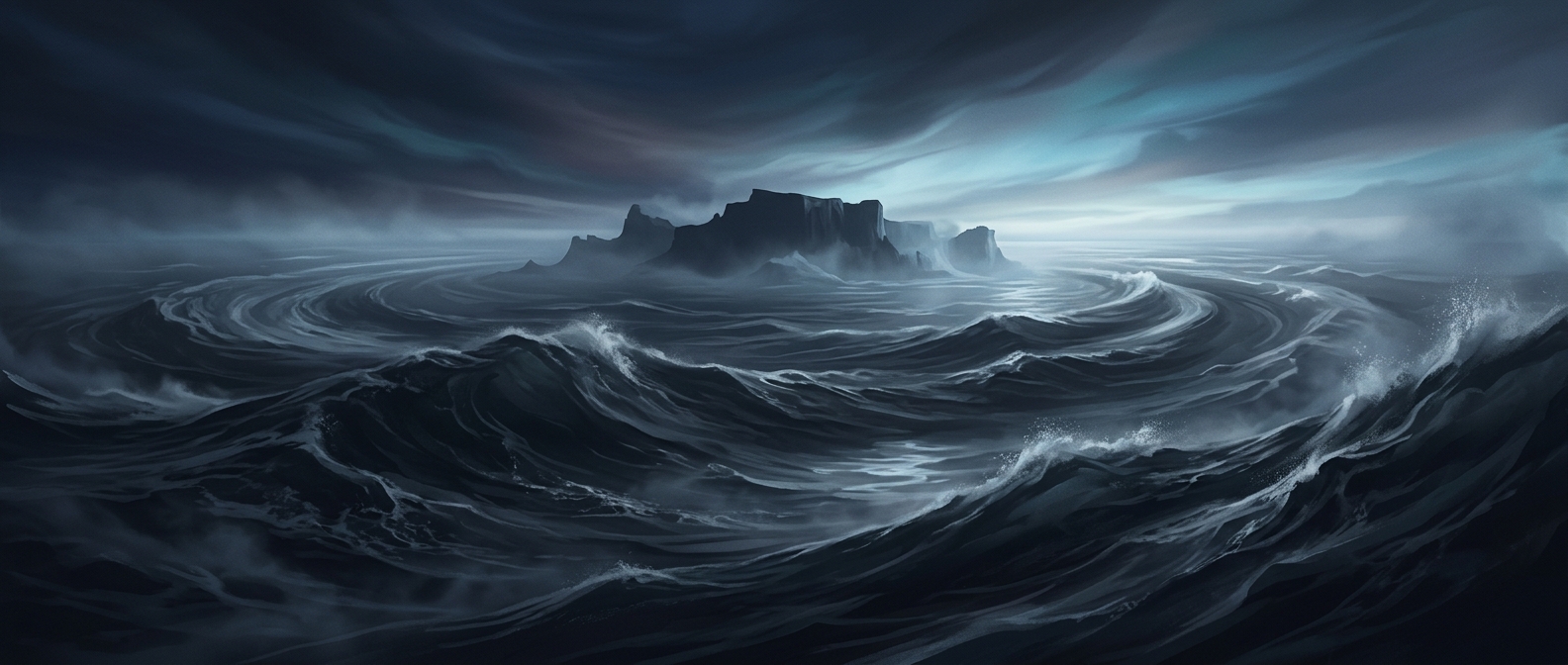
Strong westerly winds blow around Antarctica, and the lack of land in their way lets them push surface water eastward. That wind-driven flow is part of the Antarctic Circumpolar Current, the only major ocean current that circles the globe without being blocked by a continent. It reaches through much of the ocean’s depth, carrying water, heat, and nutrients along the way.
The current does not make the Southern Ocean a sealed moat: water still moves between it and the oceans to the north. But its continuous flow helps separate cold Antarctic waters from warmer waters farther north, while also connecting distant ocean regions through circulation and mixing.
A geographic difference with global effects
Elsewhere, continents steer currents into turns, branches, and coastal routes. Around Antarctica, the open ring lets a current travel east for thousands of miles before encountering land again. That uninterrupted passage helps shape how heat is distributed through the oceans—and makes Antarctica’s position at the bottom of the map a powerful influence on waters far beyond its shores.