How a dryer load turns into a knot
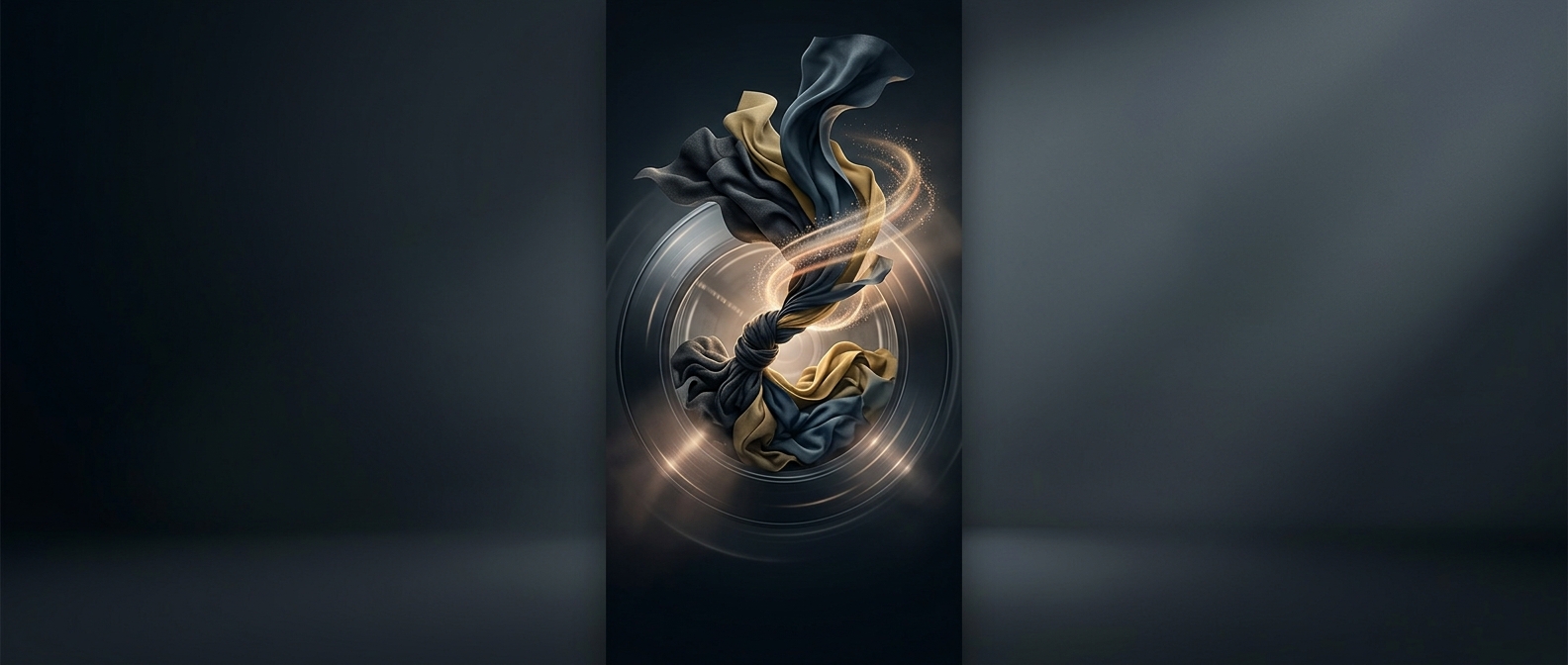
A rotating drum does more than spin clothes in a circle. Its ridges lift garments up the side; gravity then pulls them back down through the warm air. As this repeats, sleeves and legs can catch on other items. A long sheet or pair of trousers may wind around smaller pieces, leaving a dense bundle that tumbles as one mass.
That bundle matters because the drum can no longer lift and spread the clothes as well. Air reaches less of the load, so some items may dry more slowly than others.
Why changing direction helps
A reversing dryer periodically stops the drum and turns it the other way. The change interrupts the same repeated rolling motion that lets clothes wind together. Items that were being carried around in one direction can fall, loosen, and redistribute when the drum starts in reverse. The pause also gives the load a moment to shift before tumbling resumes.
Reversal does not guarantee that every knot comes apart, especially with bulky or tightly packed loads. But it makes it harder for garments to keep winding into the same shape, helping the drum lift and separate them again. The practical payoff is simple: more of the load stays exposed to moving warm air instead of being trapped inside a bundle.